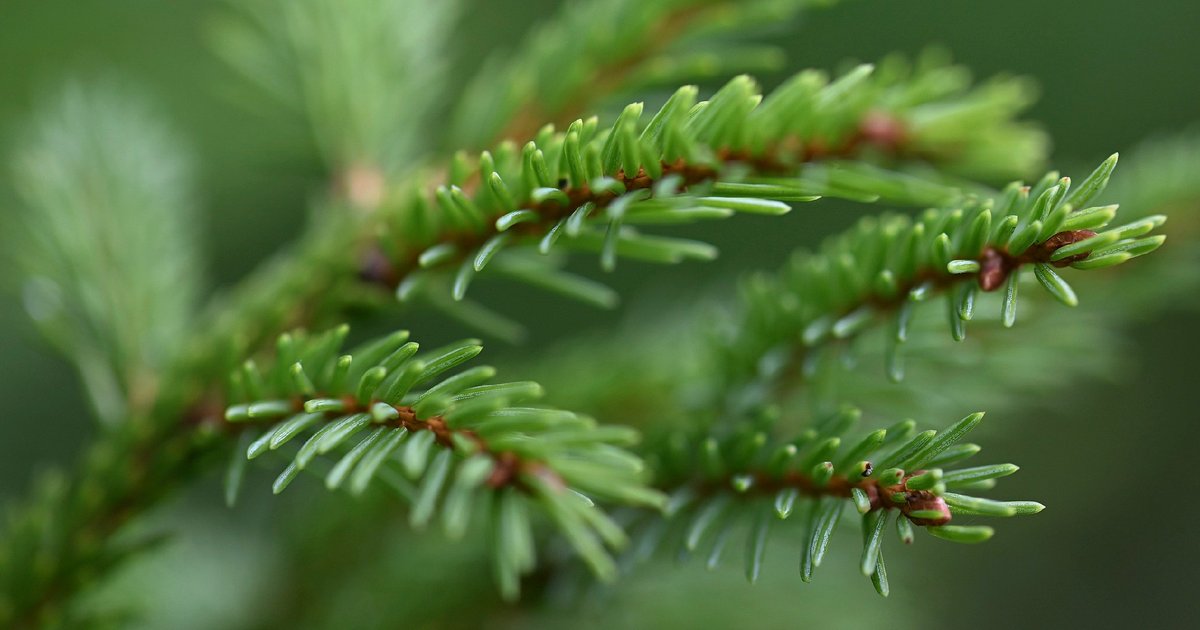
In a significant scientific achievement, Russian researchers announced the development of new compounds based on extracts from the spruce tree, which have demonstrated promising results in slowing the process of blood clotting. This discovery comes at a time when there is an increasing need for effective treatments for blood clotting issues, which pose a major health risk globally.
Initial results from laboratory tests indicate that these new compounds may have positive effects on human health, opening new horizons in the fields of medicine and treatment. The study was published in the open-access journal Polysaccharides, allowing researchers and interested parties to access the findings and details.
Details of the Study
This study is based on research conducted by a team of scientists in Russia, who analyzed the properties of spruce tree extracts. The experiments showed that these compounds could play an important role in modulating the blood clotting process, potentially aiding in the prevention of certain diseases associated with blood clotting.
The spruce tree is known in cold regions and has traditionally been used in folk medicine to treat various ailments. However, this research highlights new possibilities for this tree in modern medicine.
Background & Context
Blood clotting is a natural process that occurs in the body, but when it happens excessively, it can lead to serious health problems such as blood clots. Blood clots are among the leading causes of death in many countries, making the search for new treatments an urgent necessity.
Historically, a variety of natural remedies have been used to treat blood clotting issues, but these treatments are often ineffective or carry side effects. Therefore, the development of new compounds from natural sources like the spruce tree represents an important step towards improving available treatments.
Impact & Consequences
If these compounds prove effective in clinical trials, they could lead to significant changes in how blood clotting issues are treated. These discoveries may help reduce reliance on chemical medications, thereby minimizing potential side effects.
Furthermore, this research could pave the way for more studies on the use of medicinal plants in developing new treatments. This could have a positive impact on public health, especially in countries that suffer from a shortage of modern medications.
Regional Significance
In the Arab region, blood clotting issues are a significant health concern, with many countries experiencing high rates of cardiovascular diseases and strokes. This research may provide an opportunity to develop new local treatments based on the natural resources available in the region.
Additionally, promoting research into the use of medicinal plants can contribute to achieving health and food security, enhancing the ability of Arab countries to face future health challenges.
In conclusion, the development of new compounds from the spruce tree represents an important step in the field of medicine and may open new avenues for treating blood clotting issues. As research continues, we may soon see positive results benefiting public health worldwide.