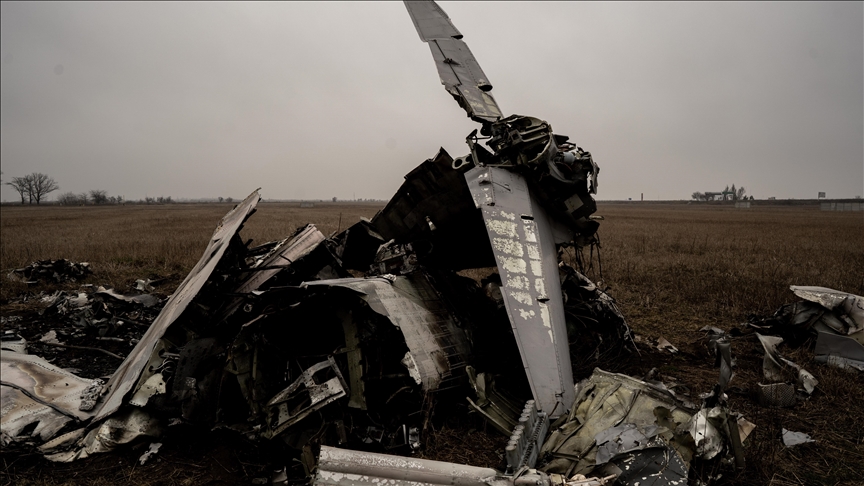
A Russian Su-30 fighter jet crashed in the Crimea region, with the crew managing to eject safely without any injuries. The incident occurred early today, raising questions about the safety of military aircraft in the area.
According to reports, the crew aboard the aircraft successfully used the emergency ejection seats and jumped to safety before the crash. No injuries have been reported among the crew members, reflecting the efficiency of the safety systems used in Russian military aircraft.
Details of the Incident
The incident occurred while the aircraft was conducting a training mission in Crimea, a strategic point in the ongoing conflict between Russia and Ukraine. The aircraft, which was in good condition, experienced a technical problem that led to a loss of control, prompting the crew to make the decision to eject.
The Su-30 aircraft are multi-role fighters designed to meet the needs of the Russian Air Force in various combat scenarios. This recent incident highlights the challenges faced by military aircraft under current conditions.
Background & Context
Since Russia's annexation of the Crimean Peninsula in 2014, the region has become a center of military tensions between Russia and Ukraine. Russia has increased its military presence in the area, raising concerns among Western nations. Incidents like the crash of the Su-30 may reflect the risks associated with military operations in this sensitive region.
In recent years, Crimea has seen an increase in military activities, including air and naval maneuvers. These activities reflect Russia's desire to strengthen its control over the area, but they also raise fears of escalating conflict with Ukraine and Western countries.
Impact & Consequences
The crash of the aircraft may have implications for Russian military operations in the region. Amid rising tensions, this incident could lead to a reassessment of flight strategies and training for the Russian Air Force. It may also affect the morale of pilots and military personnel, especially given the risks associated with air operations.
Furthermore, the incident may raise questions about the effectiveness of safety systems in Russian military aircraft, potentially leading to a comprehensive review of these systems. At the same time, Russian opponents may seize this incident as an opportunity to question the government's ability to manage the armed forces effectively.
Regional Significance
Military events in Crimea are particularly significant for the Arab region, as they highlight military tensions in other areas such as Syria and Libya. Russian military movements in Crimea could influence the military strategies of Arab nations, especially those cooperating with Russia in defense and security sectors.
Moreover, military incidents like the crash of the Su-30 remind Arab countries of the importance of investing in air defense systems and modern aircraft to ensure their safety and security amid regional and international tensions.
The crash of the Russian fighter jet in Crimea underscores the risks faced by military aircraft under current conditions. As tensions in the region continue, the question remains about how these incidents will impact military strategies in the future.