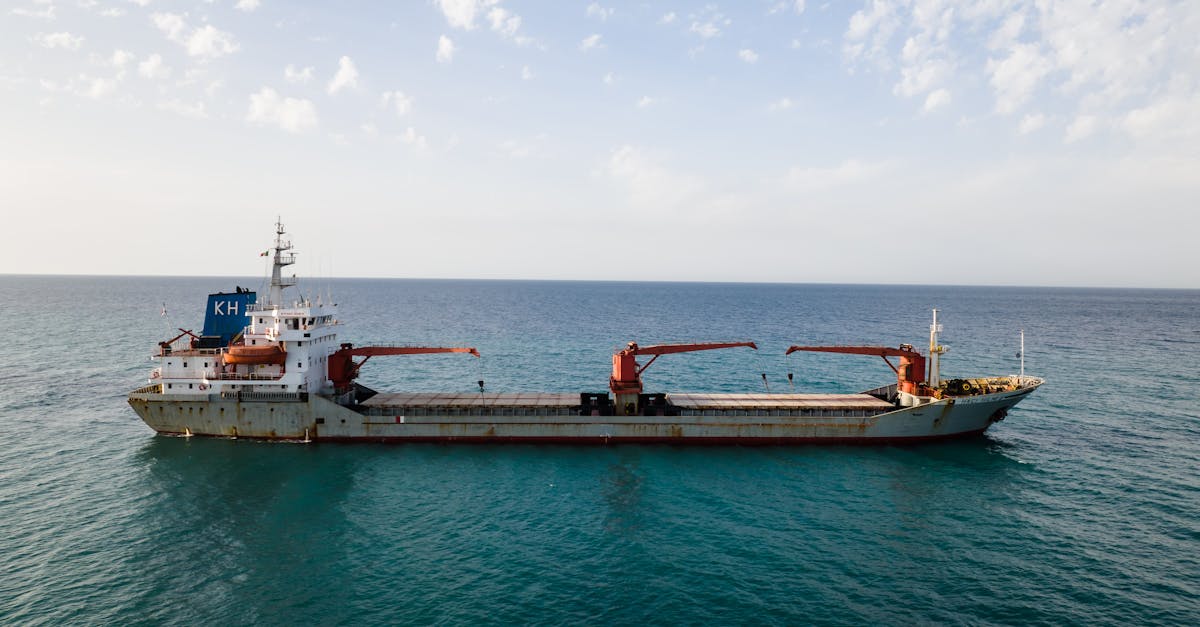
A luxurious Russian yacht valued at $500 million has successfully crossed the Strait of Hormuz, one of the most vital waterways in the world. This event occurs at a time when the region is experiencing political and security tensions, raising questions about the impact on maritime navigation.
The Strait of Hormuz is a key transit point for oil and natural gas, with approximately 20% of the world's total oil supplies passing through it. The passage of the Russian yacht reflects the ongoing luxury maritime activities in this strategic area, despite the volatile conditions.
Details of the Event
The yacht that crossed the strait is one of the largest in the world, distinguished by its luxurious design and modern amenities. It is owned by a prominent Russian businessman and symbolizes extreme wealth. The crossing of the yacht was not just a fleeting event; it came at a sensitive time when fears are rising over escalating tensions between Iran and Western countries.
This move comes as major countries closely monitor ship movements in the region, as any incident in the Strait of Hormuz poses a threat to regional and international security. The crossing of the Russian yacht has raised questions about how political events may influence maritime activities.
Background & Context
The Strait of Hormuz is a narrow waterway connecting the Arabian Gulf with the Gulf of Oman and is considered one of the most important waterways in the world. Historically, the strait has witnessed numerous political crises and military conflicts, making it a sensitive area. In recent years, tensions between Iran and Western countries have increased, affecting navigation.
In 2019, the strait saw several incidents involving commercial vessels, including the detention of oil tankers. These events led to an increased military presence in the region by Western countries, making the Strait of Hormuz a center for military and political activities.
Impact & Consequences
The crossing of the Russian yacht could have multiple implications for the region. Firstly, this event may reflect a relative stability in maritime navigation, potentially encouraging investors to return to the area. Secondly, it could heighten tensions between Iran and Western countries, as the presence of luxury yachts in the region challenges Iranian sovereignty.
Moreover, this event could impact global oil prices, as any escalation in tensions may lead to price increases. Additionally, the movement of luxury yachts could enhance maritime tourism in the area, benefiting the local economy.
Regional Significance
This event is significant for the Arab countries bordering the Gulf, as it may influence their economic and security strategies. The crossing of the Russian yacht could encourage enhanced cooperation among Arab countries in maritime security, especially in light of potential threats.
Furthermore, this event highlights the importance of maritime tourism as a promising economic sector in the region. Arab countries could benefit from this trend by developing maritime infrastructure and promoting luxury tourism.
The crossing of the Russian yacht through the Strait of Hormuz represents a notable event in the context of regional tensions, reflecting the continuity of luxury maritime activities in one of the world's most sensitive areas.