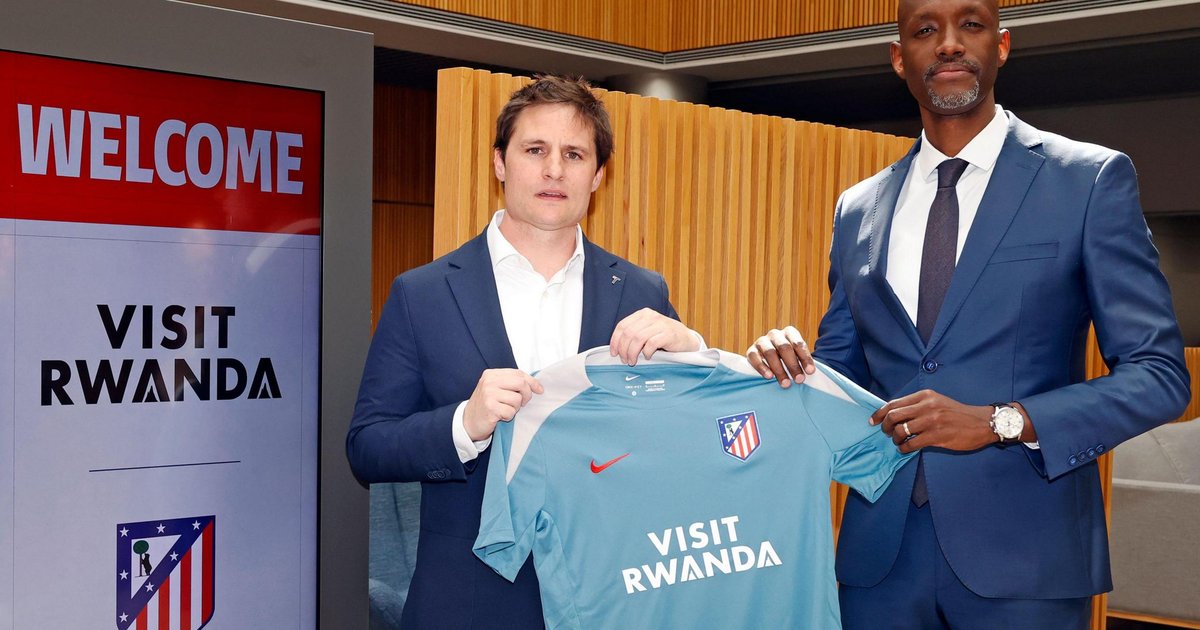
Rwanda has announced its sponsorship of several European teams in the Champions League, reflecting President Paul Kagame's strategy to enhance the country's soft power on the international stage. This sponsorship includes branding on stadiums and team jerseys, contributing to improving the nation's image abroad. However, this move comes amid increasing criticism regarding Kigali's role in the ongoing conflict in eastern Democratic Republic of Congo, where Rwanda is accused of supporting the M23 rebel group.
This sponsorship is part of a larger plan aimed at improving Rwanda's global image, as the government seeks to attract investments and tourists by enhancing the country's brand. Nevertheless, these efforts face significant challenges due to the political and humanitarian situations in the region.
Event Details
Under Kagame's leadership, Rwanda aims to use sports as a tool to strengthen international relations. By sponsoring European teams, the government hopes to improve the country's reputation and increase cultural awareness about Rwanda. However, this strategy faces criticism from human rights organizations that argue Kigali is using this sponsorship as a distraction from internal crises.
The relationship between Rwanda and European teams is part of a broader strategy to enhance soft power, as the government seeks to use sports, arts, and culture to increase its influence on the international stage. However, these efforts are challenged by the tense situation in eastern Congo.
Background & Context
Historically, Rwanda has experienced numerous political and social crises, most notably the genocide in 1994. Since then, the government has worked to rebuild the country and enhance its stability. However, tensions with its neighbors, particularly the Democratic Republic of Congo, remain prevalent.
The M23 rebel group is one of the most significant challenges facing Rwanda, as Kigali is accused of supporting this group in its conflict against the Congolese government. These circumstances make it difficult for Rwanda to improve its international image, despite efforts in the sports sector.
Impact & Consequences
Sponsoring European sports teams is a strategic move aimed at improving Rwanda's international image, but it comes at a highly sensitive time. The criticisms directed at Rwanda for its support of rebels could negatively impact its efforts to enhance soft power.
If Kigali continues to support the M23, it may face severe consequences in terms of international relations, which could affect investments and tourism. It is crucial for the government to balance enhancing its international image while addressing internal and external challenges.
Regional Significance
These developments are particularly significant for the Arab region, where many countries are seeking to enhance their soft power through sports and culture. Rwanda's experience can serve as a lesson for Arab nations on how to use sports as a tool to strengthen international relations, but these efforts must be supported by balanced internal and external policies.
In conclusion, Rwanda remains an example of how to use soft power to enhance international image, but the political and humanitarian challenges it faces may hinder these efforts. The government must take serious steps to address these issues to ensure the success of its strategy.