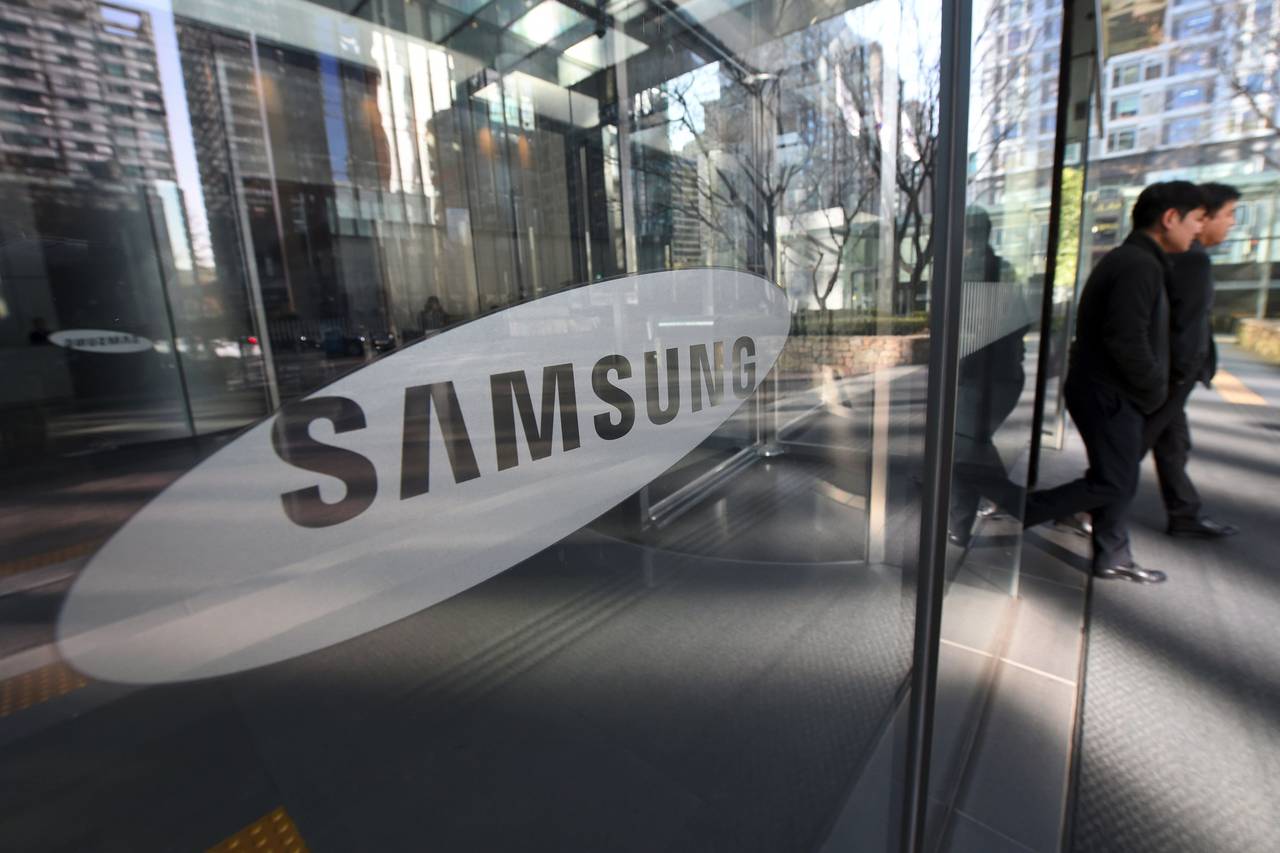
Investor attention is focused on Samsung Electronics, as the company is expected to announce an unprecedented leap in its operating profits for the first quarter of 2023. Forecasts indicate that the company will record profits reaching 40.5 trillion won (approximately $26.9 billion), representing an increase of up to 50% in revenue compared to last year.
Samsung is benefiting from what is known as an "unprecedented super cycle" in the chip market, where the rising demand for chips due to the AI boom has significantly increased their prices. However, investors remain cautious about the potential impacts of the war in the Middle East on the company's growth.
Details of the Event
Reports expect Samsung to record operating profits of up to 40.5 trillion won, which is nearly what the company achieved in the entire previous year. Some analysts, such as experts from Citi, predict that profits could reach 51 trillion won, reflecting a strong optimism about the company's market performance.
Despite these positive forecasts, the war in the Middle East could negatively impact the company’s growth. Rising energy costs and potential threats to the supply of essential materials could lead to a reduction in investments by major tech companies in AI data centers.
Background & Context
Historically, Samsung has been one of the largest chip manufacturers in the world, dominating the memory market. However, the market has experienced significant fluctuations in prices and supply and demand over the years. In recent years, the increasing demand for smart devices and artificial intelligence has heightened the need for memory chips, contributing to rising prices.
In the first quarter of 2023, memory chip prices saw some decline, but many experts believe this decline is temporary. Forecasts indicate that traditional contract prices for DRAM chips will continue to rise, with prices expected to double in the first quarter compared to the previous quarter.
Impact & Consequences
Despite the positive profit forecasts for Samsung, the company faces challenges in its other divisions. The chip manufacturing and contract divisions are expected to suffer losses as they compete with companies like TSMC. However, the company has received a boost from its partnership with Nvidia to develop new AI processors.
Samsung also faces challenges in its smartphone and flat-screen divisions, where profits are expected to decline by up to 50% in the first quarter due to rising memory costs and intense market competition.
Regional Significance
Samsung is considered one of the leading technology companies, and its impact extends to Arab markets. With the increasing reliance on technology and artificial intelligence in the region, Samsung's performance could influence investments by Arab companies in this sector. Additionally, any fluctuations in chip prices could affect production costs for local companies that rely on this technology.
In conclusion, investor attention remains focused on Samsung, as it will highlight how global events impact the performance of major companies in the technology sector.