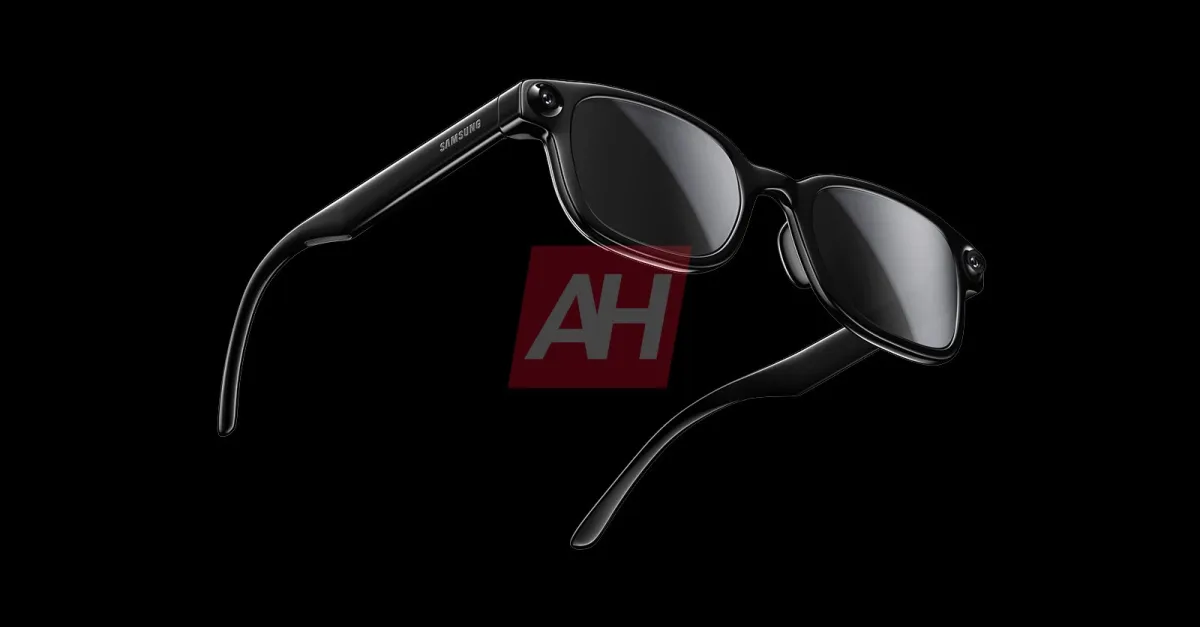
Samsung is preparing to unveil its new smart glasses, the Galaxy Glasses, codenamed "Ginkgo," which closely resemble Meta Ray-Ban eyewear. The expected price range is between 379 and 499 dollars.
The glasses will feature a Qualcomm Snapdragon AR1 processor and a 12-megapixel camera of the Sony IMX681 type, along with a 155 mAh battery and bone conduction speakers. However, this version will not include a built-in display, making it similar to the Meta Ray-Ban Gen 2 glasses.
Product Details and Future Plans
Samsung aims to provide a new experience in the realm of smart glasses, with reports indicating plans to launch a more advanced model codenamed "High An" in 2027, which will feature a micro-LED display, with expected prices ranging from 600 to 900 dollars.
If the glasses are not announced at the Google I/O conference in May, they may be launched during one of Samsung's Unpacked events later this year. Samsung previously announced its collaboration with Google to produce new glasses in 2025, and last year it launched its first device running on Android XR, the Galaxy XR headset.
Background & Context
Samsung's new glasses are part of a growing trend towards integrating technology into daily life. In recent years, there has been an increase in the number of companies entering the smart glasses market, including partnerships with well-known brands like Warby Parker and Gucci.
This move by Samsung signals a broader trend towards innovation in wearable technology. As reliance on smart devices increases, these glasses are expected to influence how users interact with the world around them, potentially leading to changes in communication and social interaction methods.
Impact & Consequences
This step by Samsung indicates a significant shift towards innovation in the field of wearable technology. With the increasing reliance on smart devices, these glasses may affect how users engage with their surroundings, which could lead to changes in communication styles and social interactions.
Moreover, these glasses could enhance user experiences in areas such as tourism and shopping, as they can be used to provide instant information about products and locations. The competition among major companies in this field may also lead to continuous improvements in the technology used.
Regional Significance
The introduction of Samsung's Galaxy Glasses is a notable development in the augmented reality technology landscape, potentially enhancing user experiences across various sectors. As smart glasses become more integrated into everyday life, they may redefine consumer expectations and interactions.
In conclusion, Samsung's foray into the smart glasses market reflects a commitment to innovation and a response to the growing demand for augmented reality solutions. The anticipated features and future developments suggest a promising future for this technology.