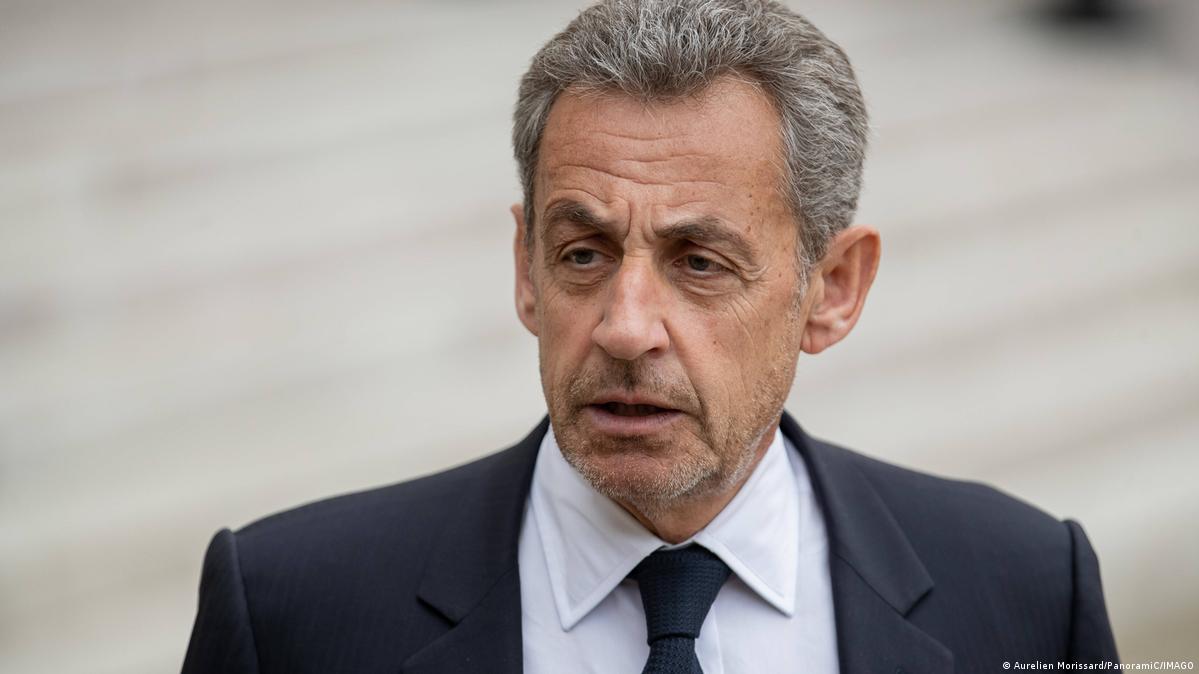
In a dramatic court session, former French President Nicolas Sarkozy denied that the late Libyan leader Muammar Gaddafi had discussed the fate of his political associate Abdullah al-Senussi in 2007. These statements arise within the context of ongoing investigations regarding claims of a 'corruption deal' between Sarkozy's campaign and Libyan authorities, where it is alleged that Gaddafi provided funding for his presidential campaign in exchange for leniency on legal issues concerning al-Senussi.
The case revolves around investigations into the financing of Sarkozy's 2007 election campaign, where it is believed that Gaddafi agreed to provide substantial financial support in return for certain legal concessions. Al-Senussi, who served as the head of Libyan intelligence, was sentenced to life in prison in France for his involvement in the 1989 bombing of a UTA DC-10 aircraft.
Details of the Court Proceedings
During the court session, Sarkozy asserted that no legal matters concerning al-Senussi were addressed in his discussions with Gaddafi. He emphasized that these allegations are merely attempts to tarnish his reputation. Sarkozy also condemned the accusations against him, stating that they are not based on any concrete evidence.
It is noteworthy that this case is not new; investigations have been ongoing for several years, but it has resurfaced with the commencement of the trial. The evidence collected includes phone calls and text messages, yet the defense maintains that there is no definitive proof of an agreement between the parties.
Background & Context
The relations between France and Libya date back to Gaddafi's rule, during which there were numerous meetings between the two leaders. At that time, Libya sought to strengthen its ties with Western nations, while France was looking for strategic partnerships in North Africa. However, following Gaddafi's fall in 2011, the situation drastically changed, and relations became more complicated.
Historically, Libya under Gaddafi was considered a controversial state, associated with many political and economic events in the region. The events following his downfall led to the disintegration of the state and a deterioration of security conditions, affecting international relations.
Impact & Consequences
If the allegations against Sarkozy are proven true, this case could significantly impact his political reputation and may open the door for further investigations into campaign financing in France. It could also lead to a reevaluation of French-Libyan relations, especially given the issues of human rights and security in the region.
This case is also an example of how political corruption can influence international relations, as illicit deals can have serious repercussions on both regional and global levels.
Regional Significance
This case highlights the challenges faced by Arab countries in governance and combating corruption. Amid the political and economic crises affecting many Arab nations, it becomes essential to enhance transparency and accountability in governance.
Moreover, this case underscores the importance of international relations and their impact on the internal situations of countries, as political deals can either exacerbate or resolve crises. Therefore, following this case may have implications for the future of relations between Arab countries and Western nations.