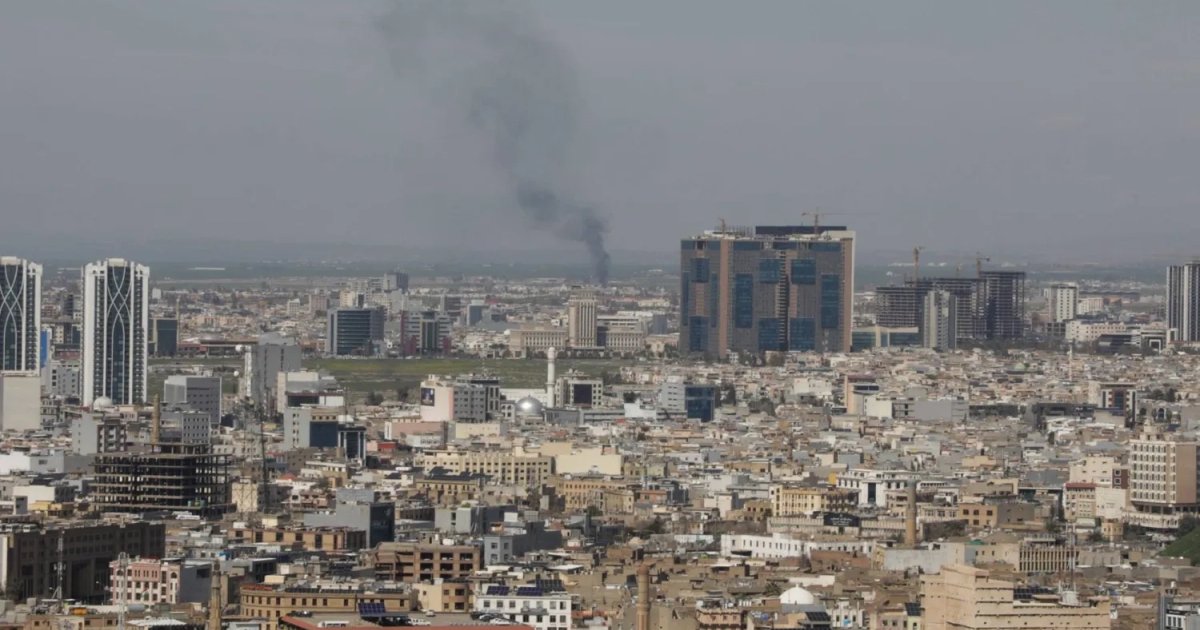
The Saudi Ministry of Foreign Affairs has strongly condemned the attacks targeting the residences of the President of the Kurdistan Region of Iraq, Nechirvan Barzani, and the leader of the Kurdistan Democratic Party, Masoud Barzani. The ministry stated in a statement that these assaults threaten security and stability in Iraq, emphasizing the Kingdom's firm stance against any actions that destabilize the region.
Furthermore, the Kingdom of Saudi Arabia expressed its solidarity with Iraq and the Kurdistan Region, highlighting the importance of maintaining security and stability in the area. This statement comes at a sensitive time when Iraq is experiencing increasing political and security tensions, necessitating international support to achieve stability.
Details of the Incident
Events in Iraq are unfolding rapidly, as the residences of Kurdish leaders have been subjected to several attacks in recent days, raising widespread concern in political and public circles. The attacks targeting Barzani and his associates occur amid escalating tensions between various political factions in Iraq, particularly in light of the economic and political crises the country is facing.
These attacks are considered part of a series of assaults aimed at political figures in Iraq, reflecting the instability the country is experiencing. Reports have indicated that these attacks may be driven by specific political agendas aimed at undermining security in the Kurdistan Region.
Background & Context
Historically, the Kurdistan Region of Iraq has witnessed multiple conflicts, as the Kurds seek to achieve greater autonomy and independence. Since the fall of Saddam Hussein's regime in 2003, the Kurds have managed to strengthen their authority in northern Iraq, leading to tensions with the central government in Baghdad.
In recent years, tensions between the Kurds and the Iraqi government have intensified, especially following the independence referendum held in 2017, which was met with strong rejection from the Iraqi government. This historical background underscores the significance of current events, as fears grow that the attacks could lead to further escalation in the conflict.
Impact & Consequences
The attacks on the residences of Kurdish leaders could escalate tensions in Iraq, potentially negatively impacting regional security. If these assaults continue, the Iraqi government may resort to stringent measures against the Kurds, exacerbating the conflict.
Moreover, these events could affect relations between Iraq and neighboring countries, as Saudi Arabia and other nations seek to bolster Iraq's stability. Any escalation in tensions could lead to negative repercussions for regional security and complicate the situation in the Middle East.
Regional Significance
The events in Iraq hold particular importance for Arab countries, as the stability of Iraq directly impacts regional security. Any escalation in the conflict could lead to an influx of refugees and increased tensions in neighboring countries, necessitating a response from Arab nations.
Additionally, the situation in Iraq may affect relations between Arab countries and Iran, as some Iraqi factions seek to strengthen their ties with Tehran, complicating the political landscape in the region. In this context, Saudi Arabia's support for Iraq and the Kurdistan Region emerges as a crucial step towards achieving stability.
In conclusion, events in Iraq remain under scrutiny, as the current situation requires a concerted effort from both international and local stakeholders to achieve security and stability in the region. Saudi Arabia's support for Iraq and the Kurdistan Region is a positive step towards fostering peace in a region plagued by ongoing conflicts.