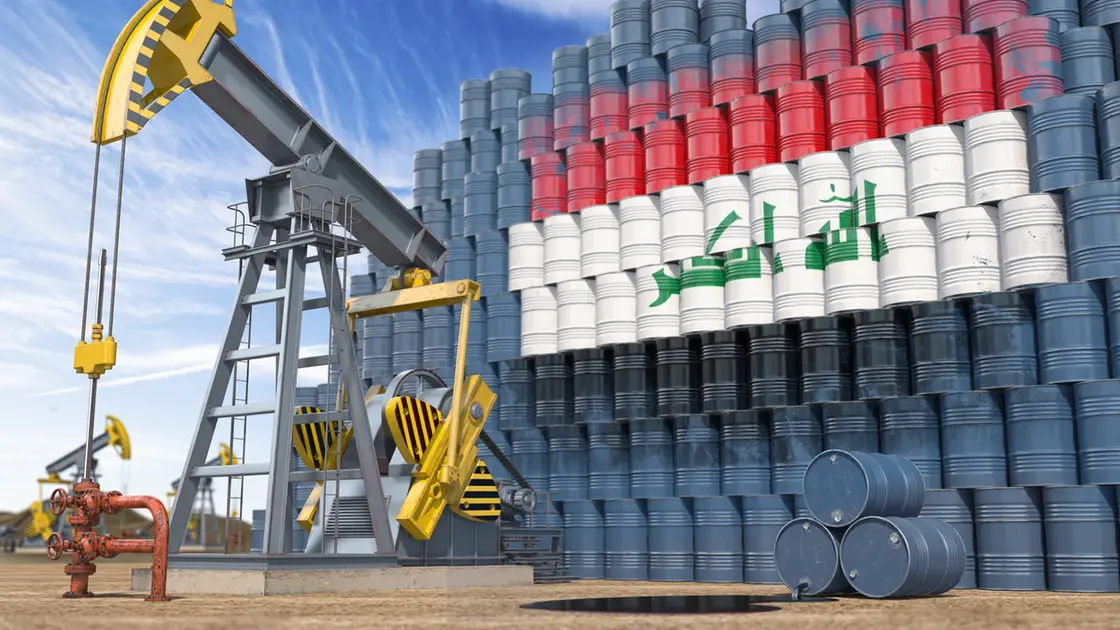
Saudi Arabia has confirmed that its imports of Iraqi oil are not free, highlighting the costs associated with this oil cooperation. These statements come at a time when the region is witnessing significant economic transformations, as countries seek to enhance their trade relations amid global challenges.
The oil relations between Saudi Arabia and Iraq are among the most prominent aspects of economic cooperation between the two countries, with Iraq possessing substantial oil reserves, making it a strategic partner for the Kingdom in this field. However, the costs associated with import operations raise questions about how to manage these relations sustainably.
Details of the Event
In an official statement, Saudi officials clarified that importing Iraqi oil requires investments and logistical costs, pointing out that this process is not free as some may believe. This clarification is part of ongoing efforts to enhance transparency in the economic relations between the two countries.
Officials also noted that oil cooperation between Saudi Arabia and Iraq includes the exchange of expertise and technology, which enhances both countries' ability to face economic challenges. This cooperation is considered part of a broader vision to enhance energy security in the region.
Background & Context
Historically, oil relations between Saudi Arabia and Iraq have experienced numerous fluctuations, especially amid the political and economic crises that have affected the region. However, recent years have seen increasing efforts to enhance cooperation between the two countries, as both seek to achieve economic stability.
Saudi Arabia is the largest oil producer in the world, while Iraq possesses massive oil reserves that make it one of the largest producers in the region. Therefore, cooperation between them can contribute to achieving stability in global oil markets.
Impact & Consequences
The statements from Saudi officials emphasize the importance of understanding the costs associated with oil cooperation, which may affect investment strategies in this sector. Additionally, these statements could lead to a reevaluation of some trade agreements between the two countries.
On the other hand, this information may impact global oil prices, as any changes in oil relations between major countries can lead to fluctuations in the markets. Thus, monitoring these developments is essential for investors and analysts in this field.
Regional Significance
The oil relations between Saudi Arabia and Iraq serve as a model for Arab cooperation in the energy sector. Amid the economic challenges facing many Arab countries, enhancing cooperation in this sector can contribute to achieving sustainable development.
Moreover, this cooperation may open new avenues for investment in other areas, enhancing the ability of Arab countries to face global economic challenges. Therefore, understanding the costs associated with this cooperation is crucial for achieving common economic goals.
Importing Iraqi oil by Saudi Arabia is not merely a commercial operation; it is part of a broader strategy to enhance economic relations in the region. As global economic challenges continue, cooperation among Arab countries in the energy sector remains vital for achieving stability and growth.