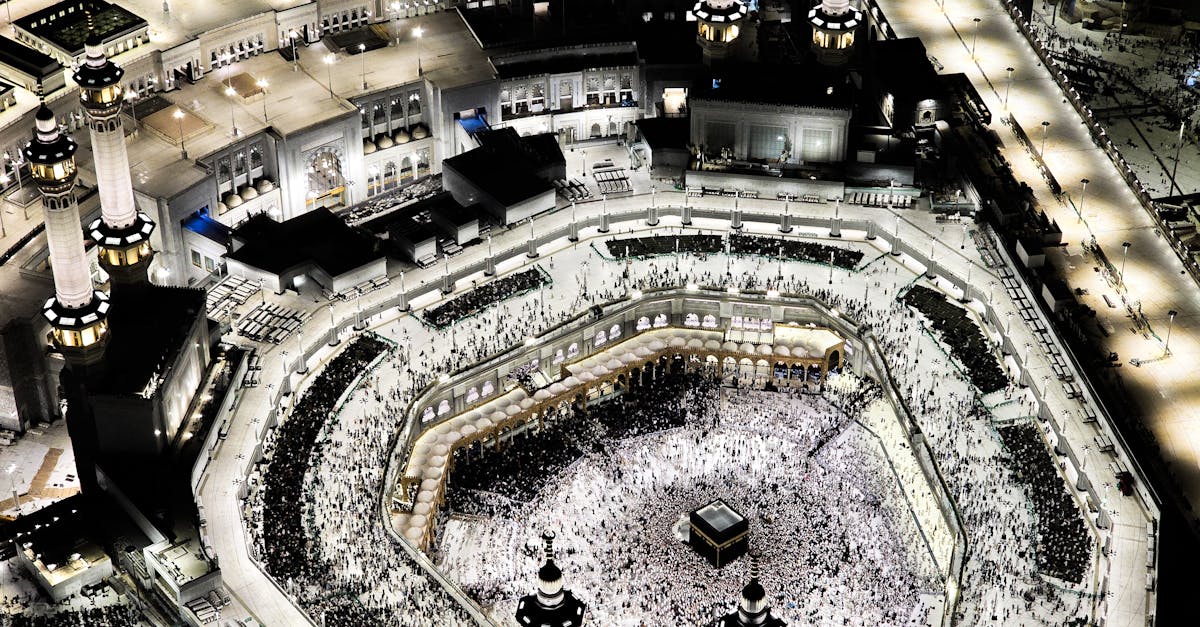
The Saudi Ministry of Health has reported that it has not recorded any cases of epidemic outbreaks or health threats during the current Hajj season, which reflects the success of the efforts made to ensure the safety of pilgrims. These statements come at a time when the number of pilgrims arriving from various countries around the world to perform Hajj is increasing.
This news is reassuring for pilgrims and their families, as it helps to enhance trust in the health measures being implemented. The ministry confirmed that all pilgrims undergo thorough medical examinations before and during the Hajj period to ensure there are no health risks.
Details of the Event
The Ministry of Health clarified that medical teams deployed in the holy sites are working around the clock to monitor the health status of pilgrims. Comprehensive health centers have been established in various locations, including Mecca and Medina, to provide necessary healthcare.
Vaccines against infectious diseases have also been made available, contributing to reducing the likelihood of epidemic outbreaks. The ministry is collaborating with security agencies and other relevant entities to ensure that the Hajj rituals proceed smoothly and safely.
Background & Context
Historically, previous Hajj seasons have faced some health challenges, such as the spread of the coronavirus in recent years. However, the health measures taken this year reflect the lessons learned from those experiences.
Saudi Arabia continually seeks to improve the Hajj experience, as this pilgrimage is one of the most important Islamic rituals. The government has invested significantly in health infrastructure to ensure the safety of pilgrims.
Impact & Consequences
This news underscores Saudi Arabia's ability to manage major events efficiently, enhancing its status as a primary destination for Hajj. The success of this year's Hajj season may also contribute to boosting religious tourism in the future.
These positive outcomes are expected to lead to an increase in the number of pilgrims in the coming years, which will positively impact the local economy and enhance the Kingdom's standing in the Islamic world.
Regional Significance
Saudi Arabia is considered an important religious center in the Arab and Islamic world, and the success of the Hajj season reflects the ability of Arab countries to organize major events. This success may also encourage other countries to improve their health strategies during large public events.
In conclusion, ongoing health efforts remain essential to ensuring the safety of pilgrims, reflecting Saudi Arabia's commitment to providing the best services for pilgrims and visitors.