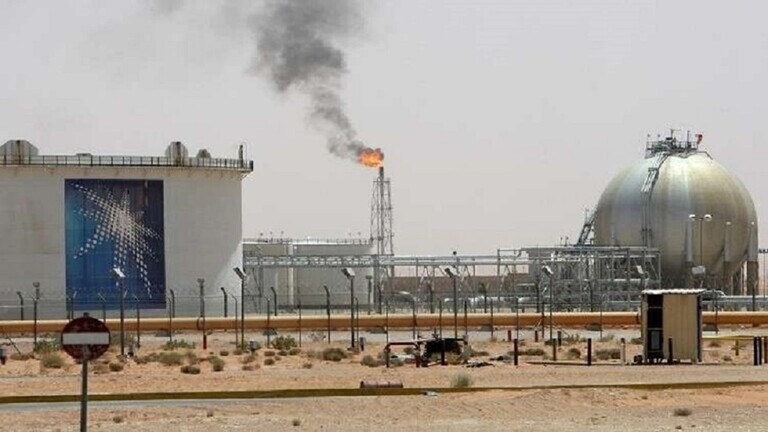
Saudi Aramco, the world's largest oil exporter, has announced a reduction in crude oil supplies to buyers in Asia for the second time in April 2023, according to informed sources. This decision highlights the potential negative effects of regional conflicts, specifically the ongoing war involving the United States, Israel, and Iran, which has disrupted trade through the Strait of Hormuz.
According to sources, supplies are limited to Arab Light crude exported from the port of Yanbu to clients with long-term contracts. This step is significant as it reduces the amount of oil available to Asian refineries, which could, in turn, affect the production of refined products in those refineries.
Details of the Event
According to data monitored from the data analytics firm Kpler, Saudi Arabia has reduced its oil exports to 4.355 million barrels per day so far in March, compared to 7.108 million barrels per day in February. The producer aims to achieve a new balance by increasing exports through the Yanbu port to compensate for the gap caused by disruptions in the Strait of Hormuz.
Forecasts indicate that the quantities exported through this port may see a significant increase, especially as Saudi Arabia seeks to improve its position in international markets amid current challenges. It’s also noteworthy that this reduction is part of a series of measures taken by Riyadh to address the economic and environmental pressures facing the oil industry.
Background & Context
The Strait of Hormuz is one of the most critical waterways in the world, through which around 20% of global oil exports pass. Political and military tensions in the region play a crucial role in the stability of the global oil market. In the background, there is an escalating dispute between Iran on one side and the United States and its allies, increasing uncertainty in global energy flows.
It is important to note that the security situation in the region has escalated since the outbreak of the war, with these tensions placing significant pressures on oil markets and contributing to notable price volatility.
Impact & Consequences
The reduction of oil supplies from Saudi Arabia to Asia may lead to higher prices in global markets, as many Asian countries rely on these supplies to meet their energy needs. Additionally, this move may reinforce the shift towards other oil options, such as domestic production or oil from other countries.
Economically, this reduction could impact Saudi Arabia's revenues, which heavily depend on oil earnings, potentially reflecting on the public budget and the national economy as a whole.
Regional Significance
This decision comes at a sensitive time for the Arab region, as Gulf countries need stability in the oil market to support their economies, which have been affected by the repercussions of the COVID-19 pandemic and global economic crises. Arab nations may find themselves in a difficult position regarding balancing energy security and their economic growth.
In conclusion, the news emphasizes the importance of monitoring developments and analyses related to the oil industry, as any changes concerning supplies may directly impact prices and production levels in the markets, reflecting a state of uncertainty that dominates the regional and international landscape.