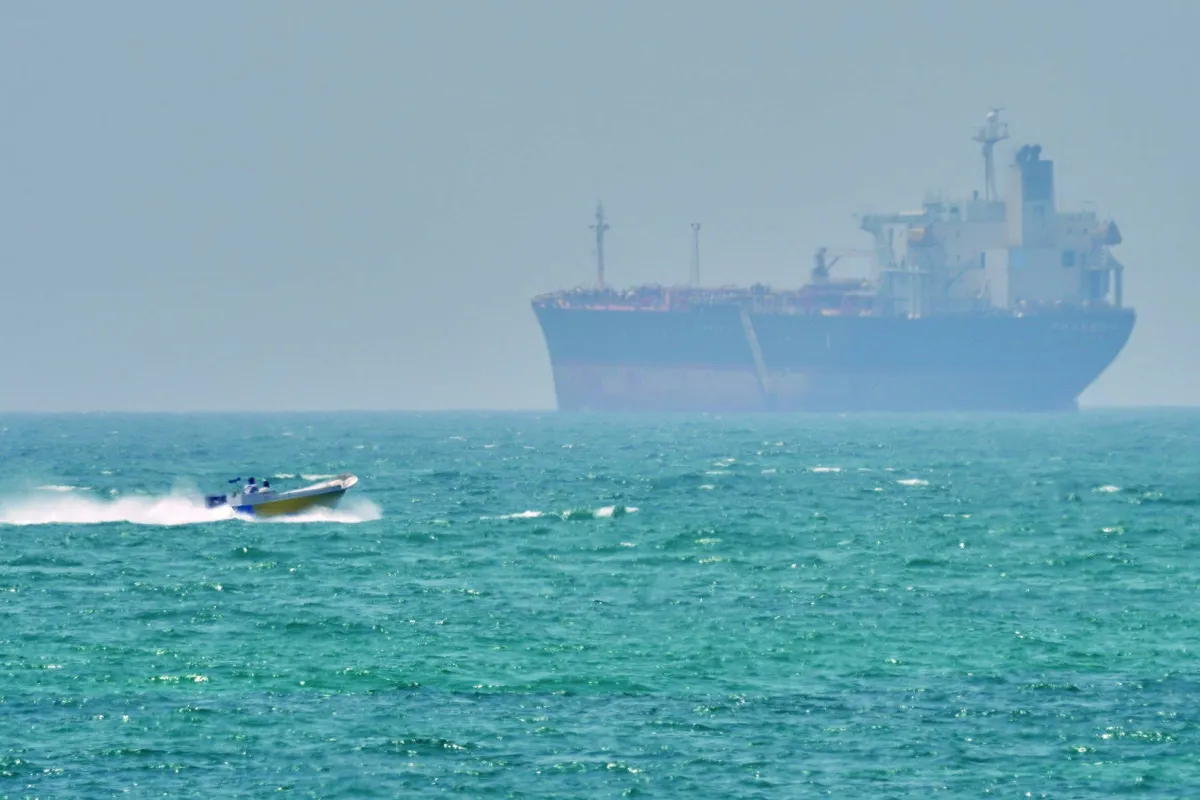
Saudi Arabia, during its participation in a ministerial session of the UN Security Council, emphasized the importance of protecting international waterways, stressing that any threat to navigation freedom, particularly in the Strait of Hormuz, directly affects global economic stability and energy security.
The Kingdom's permanent representative to the United Nations, Ambassador Dr. Abdulaziz Al-Wasel, explained that the Strait of Hormuz is a vital artery for international trade, necessitating close monitoring of developments in the Gulf region and enhancing efforts to protect it.
Details of the Event
Al-Wasel pointed out that threats to navigation freedom impact energy markets and global supply chains, in addition to their repercussions on international economic security. He affirmed that maritime security is a collective responsibility that requires adherence to international law and intensified international coordination.
He stressed the need to comply with UN Security Council Resolution 2817 of 2026 and to enhance joint efforts to ensure the safety of maritime corridors, contributing to the stability of global markets.
Background & Context
These statements come at a time when the region is witnessing increasing tensions, with a rise in attacks on commercial vessels in the Strait of Hormuz, raising concerns within the international community. The Strait of Hormuz is a critical transit point for approximately 20% of the world's oil, making any threat to it directly impact oil prices and global financial markets.
The Kingdom also reiterated its support for international and regional efforts aimed at de-escalation and ending the war, including mediation efforts led by Pakistan, as part of pushing towards peaceful solutions to crises.
Impact & Consequences
These statements underscore the importance of international cooperation in addressing the threats facing maritime navigation, as any escalation in the region could lead to rising oil prices and affect the global economy. Additionally, the stability of navigation in the Strait of Hormuz is vital to ensure energy flows to global markets.
In this context, the Saudi representative called on the Security Council to condemn the Iranian attacks that the Kingdom has faced since the beginning of the crisis, emphasizing the importance of a firm international stance to preserve security and stability in the region.
Regional Significance
These statements are part of Saudi efforts to enhance security and stability in the region, as the Kingdom seeks to build international alliances to confront shared threats. Moreover, the stability of navigation in the Strait of Hormuz is crucial for other Arab countries that rely on this corridor for their trade.
In conclusion, the Kingdom of Saudi Arabia remains at the forefront of international efforts to protect maritime navigation, striving to enhance cooperation with other countries to ensure the safety of waterways and maintain global market stability.