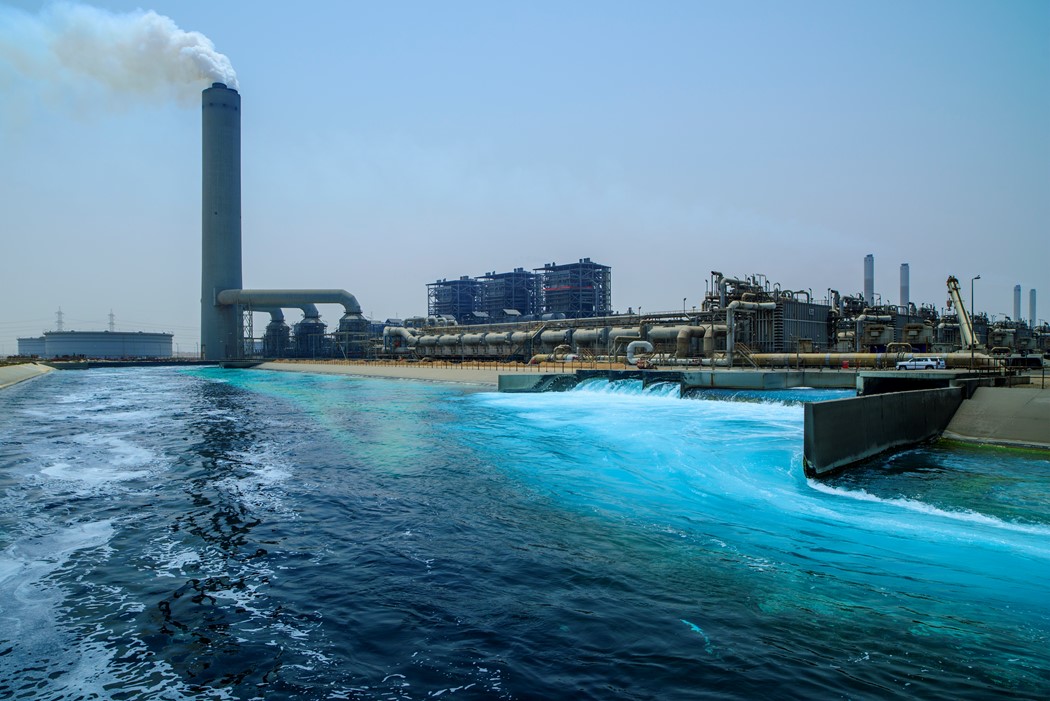
Saudi Arabia has unveiled new measures aimed at bolstering its global leadership in the fields of desalination and energy. The Kingdom confirmed that its production capacity will reach 16 million cubic meters of desalinated water daily and 64 gigawatts of electrical power. These initiatives are part of the Kingdom's Vision 2030, which seeks to achieve sustainable development.
These steps are integral to the Kingdom's strategy to meet its increasing demands for water and energy, driven by population and economic growth. The initiatives also aim to reduce reliance on traditional energy sources while enhancing the use of renewable energy.
Details of the Initiative
Through these projects, Saudi Arabia aims to balance the rising demand for water and energy, with desalination representing an effective solution to water scarcity. These projects were announced during the World Energy Conference, which saw broad participation from countries around the globe.
The new projects include the establishment of advanced desalination plants that utilize modern technologies to reduce costs and increase efficiency. Renewable energy will be employed to power these plants, reflecting the Kingdom's commitment to environmental sustainability.
Background & Context
Saudi Arabia is recognized as a leader in the field of water desalination, hosting the largest desalination plant in the world. As demand for water continues to rise due to population growth, the need to expand desalination capabilities has become urgent.
Historically, the Kingdom began investing in desalination projects in the 1970s and has made significant progress in this area. With the global shift towards clean energy, Saudi Arabia is seeking to integrate renewable energy sources into its desalination projects.
Impact & Consequences
These projects are expected to enhance water and energy security in the Kingdom, contributing to sustainable development. Furthermore, they will strengthen the Kingdom's capacity to address future challenges related to water and energy.
Additionally, these initiatives will pave the way for new investments in the renewable energy sector, contributing to job creation and boosting the local economy.
Regional Significance
These steps serve as a model for other Arab countries facing similar challenges in water and energy sectors. Saudi Arabia's experiences could inspire neighboring countries to develop similar strategies.
In light of climate change and environmental pressures, enhancing desalination and renewable energy capabilities is vital for ensuring a sustainable future for the Arab region.