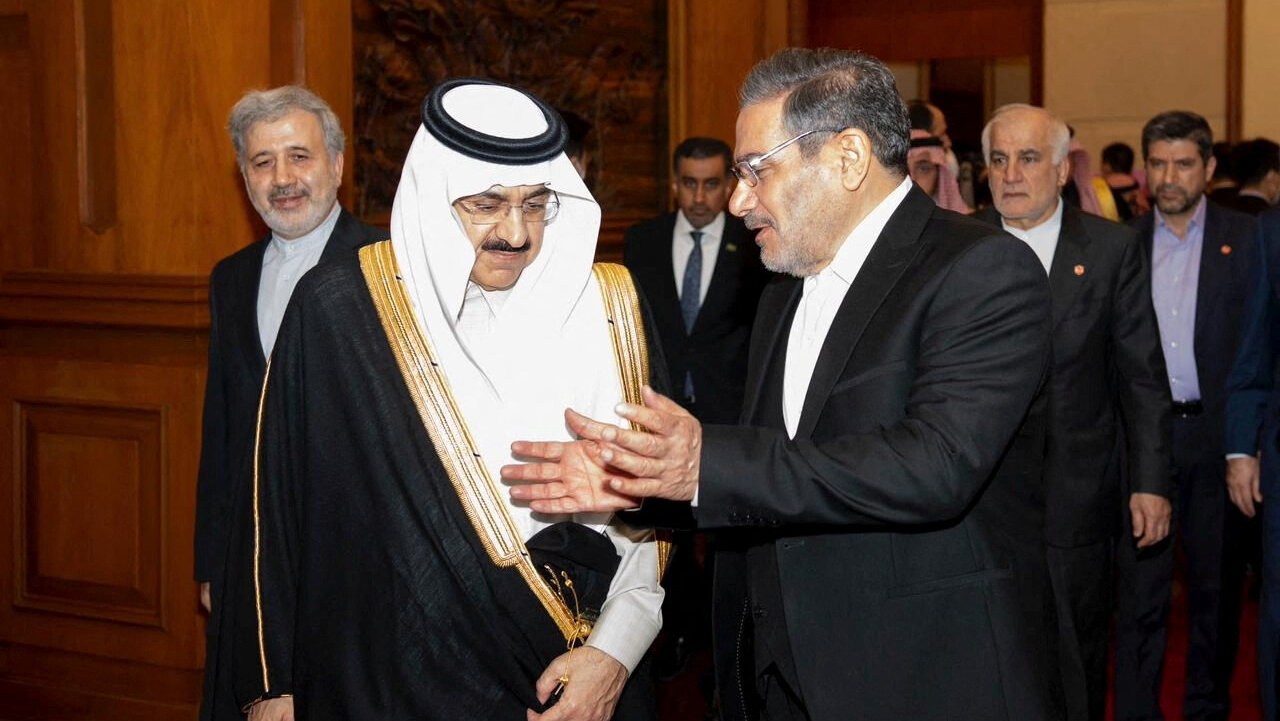
In a move reflecting the Kingdom of Saudi Arabia's commitment to regional stability, Riyadh has announced that it is exercising restraint towards Iranian aggression, while keeping options open to deal with any potential escalation. These statements come at a time when tensions between Saudi Arabia and Iran are on the rise, necessitating well-considered strategies to maintain regional security.
This Saudi policy is part of a broader strategy aimed at enhancing security and stability in the Middle East, which is suffering from multiple conflicts. Saudi sources have confirmed that the Kingdom is closely monitoring Iranian activities but prefers diplomatic solutions over military confrontation.
Details of the Situation
Reports indicate that Saudi Arabia has detected an increase in Iranian activities, including support for armed groups in the region, raising concerns about potential escalation. However, Riyadh prefers to take measured steps as it seeks to avoid any escalation that could lead to open conflict.
In this context, Saudi Arabia has emphasized the importance of dialogue and communication with the international community, as it seeks to build strong alliances to face security challenges. The Kingdom has expressed its willingness to cooperate with major powers in this regard, reflecting its commitment to regional security.
Background & Context
Historically, relations between Saudi Arabia and Iran have been marked by increasing tensions, especially following the Iranian Revolution in 1979. Regional conflicts, such as the disputes in Yemen and Syria, have deepened this rift. However, Saudi Arabia is currently seeking to reassess its strategies in light of changing circumstances, reflecting its desire for stability.
This policy is part of Saudi Vision 2030, which aims to achieve sustainable development and enhance the Kingdom's role as a regional power. Through restraint, Riyadh hopes to strengthen its regional and international position.
Impact & Consequences
The policy of restraint adopted by Saudi Arabia could lead to positive outcomes in the long term, as it may help reduce regional tensions and promote stability. This policy could also open avenues for dialogue and cooperation with Iran and other countries in the region.
However, challenges remain, as Iranian activities may continue to impact regional security. Therefore, Saudi Arabia needs to closely monitor the situation and take necessary actions to protect its interests.
Regional Significance
Saudi Arabia's policy towards Iran directly affects security and stability in the Arab region. The tensions between the two countries could escalate conflicts in nations such as Iraq, Syria, and Lebanon, where Iran plays a pivotal role in supporting armed groups.
At the same time, the stability of Saudi Arabia is a fundamental element for regional security, as the Kingdom is one of the largest economic and political powers in the area. Thus, any escalation could impact all Arab countries and heighten tensions.
In conclusion, Saudi Arabia's policy of restraint towards Iranian aggression is an important step towards achieving stability in the region. As tensions continue, hope remains pinned on diplomacy and dialogue as means to resolve conflicts and achieve peace.