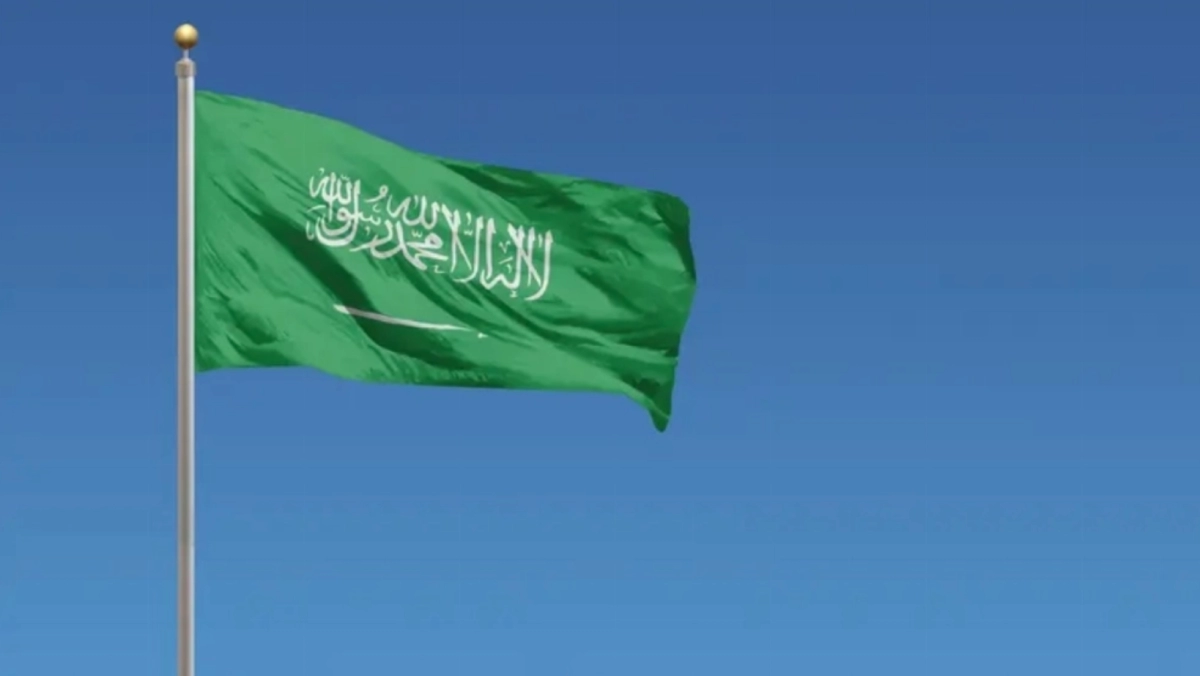
Amid escalating tensions in the Middle East and rising global energy crisis risks, Saudi Arabia concluded March with strong domestic performance and ongoing regional leadership. Despite external pressures, the Kingdom maintained its operational stability and supported regional supply chains, reflecting the strength of its rapid response to challenges.
During the month, the General Authority of Civil Aviation facilitated over 120 flights for neighboring airlines, contributing to the stability of regional air navigation. Additionally, the General Authority for Ports (Mawani) launched five new maritime shipping services in collaboration with global operators like Maersk and MSC, to alleviate congestion and ensure the flow of goods.
Details of the Initiatives
As part of regional cooperation efforts, the Gulf Cooperation Council (GCC) countries, led by Saudi Arabia, implemented measures such as extending the lifespan of trucks and establishing shared redistribution zones in Dhahran. These initiatives reflect the Kingdom's commitment to enhancing regional cooperation and improving transport efficiency.
Moreover, Saudi Arabia has made significant progress in environmental goals, having rehabilitated one million hectares of degraded land and planted over 159 million trees since launching the Green Saudi Initiative. These efforts demonstrate the Kingdom's commitment to improving quality of life and achieving sustainable development.
Background & Context
Historically, Saudi Arabia has always been a key player in regional stability, contributing to enhancing economic and political cooperation among Gulf countries. As regional tensions escalate, the Kingdom has become increasingly important in maintaining security and stability, not only at the regional level but also globally.
Saudi Arabia is one of the largest oil producers in the world, making it a central player in the global energy market. With increasing climate challenges, the Kingdom seeks to balance economic growth with environmental preservation, reflecting Vision 2030, which aims to diversify the economy.
Impact & Consequences
Saudi achievements are evident in numbers, with flower productivity in Taif rising by 15%, reaching 500 million flowers annually. The Kingdom also made notable progress in the World Happiness Report, ranking 22nd globally, surpassing many G7 countries.
During the month of Ramadan, one of the busiest periods in the Kingdom, 33.8 million Iftar meals and 41 million cubic meters of water were distributed in Makkah and Medina. Additionally, 10.8 million bottles of Zamzam water were distributed to over 1,400 cities, reflecting the Kingdom's commitment to providing the best services for visitors.
Regional Significance
These achievements serve as a model for other Arab countries, reflecting Saudi Arabia's ability to face challenges and achieve sustainable development. Amid difficult regional circumstances, the Kingdom stands out as a leading force in promoting cooperation and development in the region.
In conclusion, Saudi Arabia remains committed to achieving stability and growth, enhancing its position as a key supporter of security and development in the Middle East.