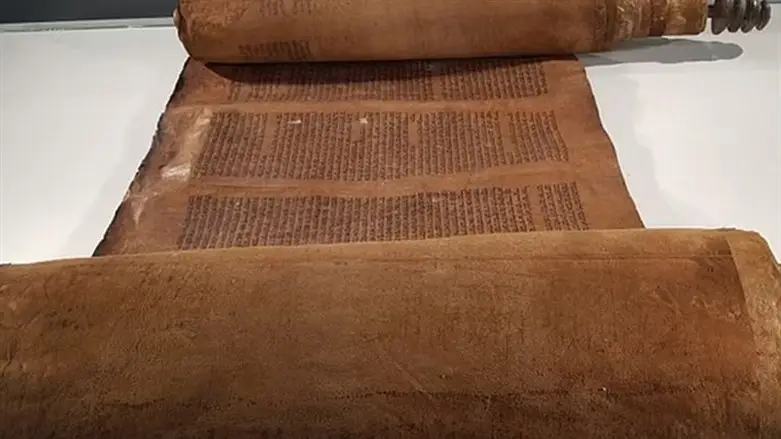
The Kingdom of Saudi Arabia has announced the discovery of a rare manuscript of the Holy Quran, considered one of the oldest known copies, dating back over a thousand years. This manuscript was unveiled during the International Book Fair in Riyadh, reflecting Saudi Arabia's commitment to preserving Islamic heritage.
This initiative is part of the Kingdom's efforts to promote Islamic culture and introduce the world to Arab heritage. The manuscript, which represents a significant part of Islamic history, holds great historical and religious value, showcasing the evolution of Quranic writing through the ages.
Event Details
The manuscript was displayed in a special pavilion during the fair, where visitors had the opportunity to view it up close. Officials noted that the manuscript is part of a rare collection of Islamic manuscripts preserved by the Kingdom, which includes religious and literary texts from various eras.
The manuscript is written in an ancient Arabic script, demonstrating the precision of details and the aesthetics of Arabic calligraphy, reflecting the high skill possessed by scribes of that time. This discovery is considered a significant achievement in the field of Islamic studies, contributing to a deeper understanding of the history of the Holy Quran and how it spread.
Background & Context
Historically, Quranic manuscripts are among the most important sources that reflect the development of Islamic thought. The earliest known manuscripts date back to the first century of the Hijra, with many copies found in various regions of the Islamic world. This new manuscript adds a new dimension to this rich history.
In recent years, Saudi Arabia has witnessed an increasing interest in culture and heritage, with numerous events and exhibitions organized to raise awareness of Islamic heritage. This discovery comes at a time when the Kingdom is striving to enhance its position as a global cultural destination.
Impact & Consequences
This discovery could have a significant impact on Islamic studies, as it may contribute to reevaluating some concepts related to the history of the Holy Quran. It also emphasizes the importance of manuscripts as a tool for understanding the evolution of religious texts and their influence on Islamic societies throughout the ages.
Moreover, this discovery represents an opportunity to boost cultural tourism in the Kingdom, potentially attracting visitors interested in Islamic history and heritage. This could help enhance the local economy by increasing the number of tourists visiting exhibitions and cultural sites.
Regional Significance
This event is significant not only for Saudi Arabia but for the entire Arab region, as it demonstrates the commitment of Arab countries to preserving cultural and religious heritage. This discovery could inspire other countries in the region to intensify their efforts in safeguarding cultural heritage and raising awareness of its importance.
In a related context, this discovery is seen as a call for greater cooperation among Arab countries in the fields of culture and heritage, as these efforts could strengthen cultural ties between nations and contribute to enhancing the shared Arab identity.