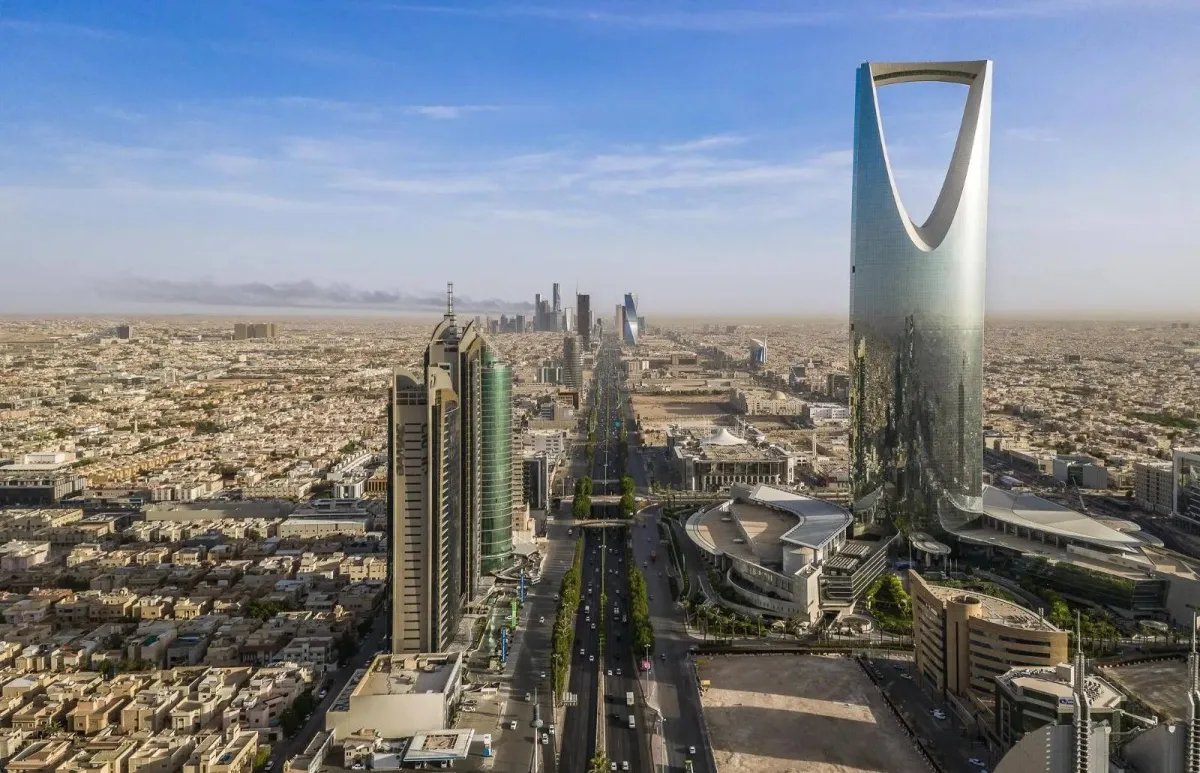
Amid geopolitical disruptions reshaping the regional investment landscape, Saudi Arabia has emerged as a "fortress of stability" and a safe haven for capital. Experts have confirmed that the Saudi real estate sector has been the biggest winner in these transformations, recording exceptional growth ranging between 20 and 30 percent.
This recovery was not coincidental; it resulted from robust financial buffers and ambitious structural programs under "Vision 2030," which have proven highly effective in absorbing external shocks and transforming regional challenges into sustainable growth drivers.
Event Details
The current regional conflict has highlighted Saudi Arabia's appeal as an investment destination fortified by flexible government programs capable of adapting to various changes. This has directly reflected on the recovery of the real estate market, which has benefited from the influx of residents and investors from crisis-affected countries, leading to a noticeable surge in occupancy rates for residential and hotel units.
Despite the pressures imposed by the war on global energy and commodity markets and supply chains, the real estate sector in Saudi Arabia has thrived positively, with rental yields across the kingdom jumping by an average of between 20 and 30 percent.
Background & Context
Reports indicate that the ongoing war has produced a notable short-term positive impact on real estate demand, particularly in major cities like Riyadh, Jeddah, and the Eastern Province. This impact was not the primary factor but rather a reinforcement of an already existing trend.
Shifts in population movements in war-affected countries have led to partial flight disruptions and the closure of some airspaces, prompting travelers and residents in Gulf countries to move towards Saudi Arabia as a relatively more stable center. Some cases involved actual land transfers to Riyadh, resulting in immediate demand for short-term rentals and hotels.
Impact & Consequences
In times of regional instability, companies tend to relocate employees to safer environments, which has benefited Saudi Arabia due to its economic weight and relative security stability compared to some tension points in other countries. However, the effects of global inflation have not been absent from the scene, as rising energy prices and shipping costs have increased construction expenses.
Global estimates indicate that these factors have contributed to raising property prices by between 15 and 20 percent, reflecting the market's sensitivity to global supply chains. The war has contributed to revitalizing the Saudi real estate sector by between 20 and 30 percent, attributing this to the effectiveness of the "Saudi Vision 2030" programs.
Regional Significance
The Saudi real estate market today is experiencing a state of "smart balance," driven by strong local demand on one hand and supported by external demand opportunities arising from regional crises on the other. This unique composition grants the sector exceptional flexibility, enabling it to effectively adapt to current changes.
In conclusion, the efforts of the Saudi government, combined with regional conditions, have made the Saudi real estate market one of the most attractive in the region, enhancing its position as an indispensable regional investment haven.