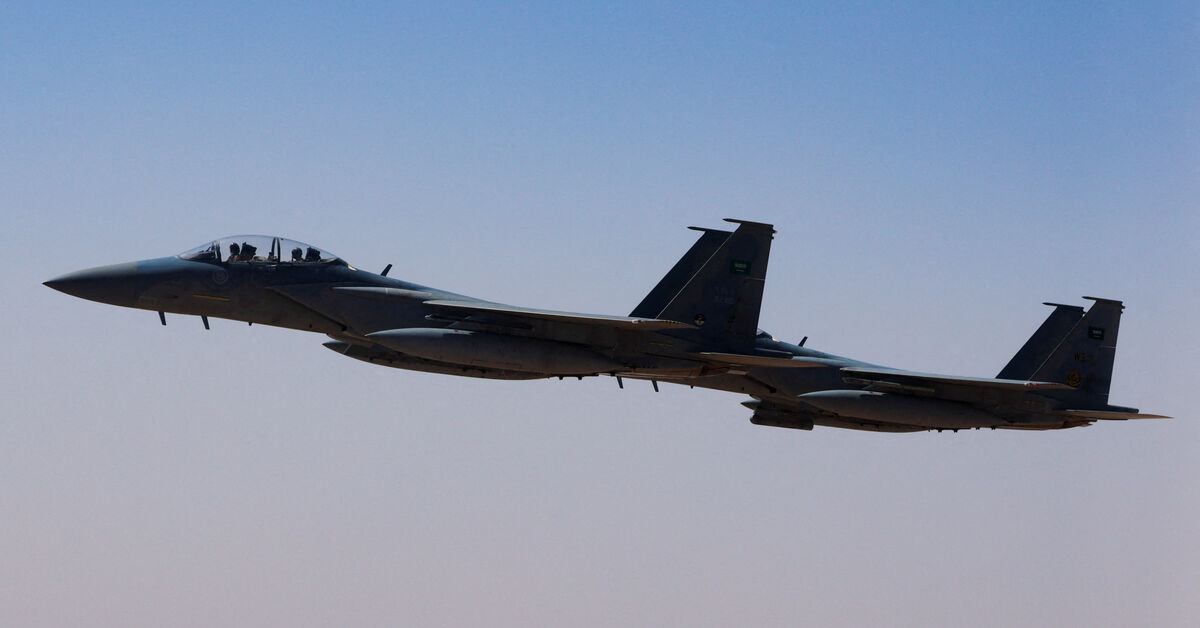
In an unprecedented military escalation, Western and Iranian sources have reported that the Kingdom of Saudi Arabia has executed secret airstrikes on Iranian territory as part of its reaction to the repeated attacks it has faced during the ongoing conflict in the Middle East.
This marks the first time Riyadh has undertaken such strikes, indicating a growing boldness in taking direct military action against Iran. This escalation comes at a sensitive time when the region is experiencing increasing tensions, raising questions about the future of relations between the two countries.
Details of the Airstrikes
According to sources, the airstrikes targeted Iranian military sites, representing a shift in Riyadh's policy, which has previously relied on indirect responses. This move reflects the kingdom's concerns over the rising Iranian activities in the region, especially following a series of attacks that have targeted its territory.
These developments come at a time when fears are growing regarding the escalation of conflict in the Middle East, where the interests of several countries overlap, complicating the security situation further.
Background & Context
Historically, relations between Saudi Arabia and Iran have been strained due to sectarian and political differences. Since the Iranian revolution in 1979, the region has witnessed multiple conflicts in which Saudi Arabia and Iran have been key players. Over the years, tensions have escalated between the two countries, particularly as each has supported opposing factions in regional disputes.
The backdrop of this military action is rooted in the long-standing rivalry and the geopolitical dynamics that have shaped the Middle East, making any direct confrontation particularly significant.
Impact & Consequences
This military escalation could exacerbate tensions in the region, threatening the stability of Gulf states and increasing the likelihood of armed conflict. Additionally, international pressure may mount on both countries to de-escalate the situation, especially given the strategic interests of major powers in the region.
The potential for a broader conflict could have far-reaching implications, not only for the immediate area but also for global markets, particularly oil prices, which are sensitive to instability in the Gulf region.
Regional Significance
The implications of these developments extend beyond Saudi Arabia and Iran, as they could reshape alliances and influence the geopolitical landscape of the Middle East. The actions taken by Riyadh may prompt reactions from other regional players, further complicating an already volatile situation.
As the situation unfolds, the international community will be closely monitoring the developments, as they hold significant stakes in maintaining stability in the region.