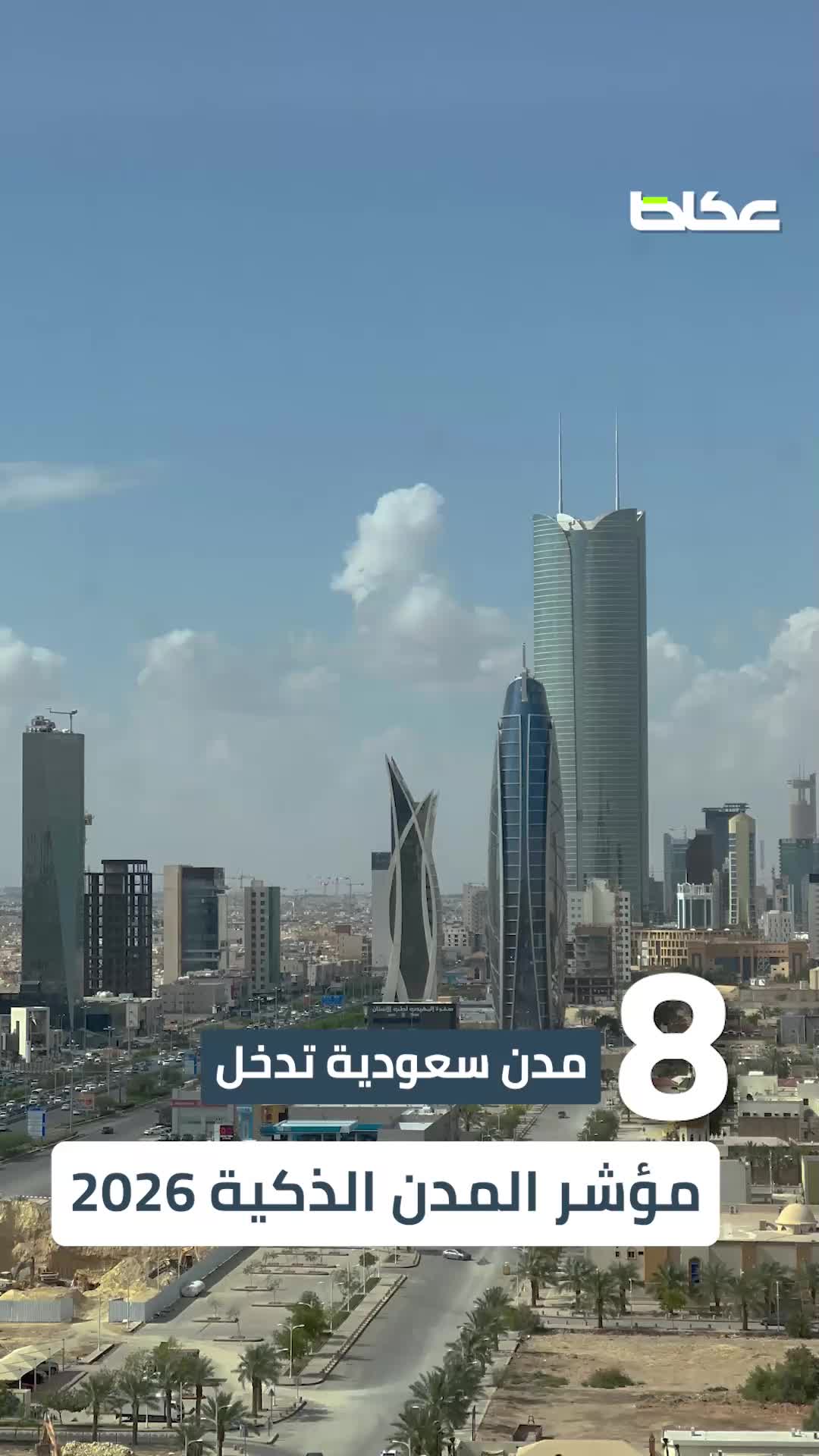
Saudi Arabia has announced the inclusion of eight cities in the Smart City Index for 2026, showcasing significant progress in digital transformation efforts. This initiative confirms that transformation is no longer just a goal but a tangible reality driven by the Kingdom.
This initiative is part of Saudi Vision 2030, which aims to enhance innovation and technology across various sectors. The cities listed in the index include Riyadh, Jeddah, Dhahran, and Khobar, along with other cities striving to improve the quality of life for their citizens through the use of modern technology.
Event Details
Through the inclusion of these cities in the Smart City Index, the Kingdom aims to strengthen its position as a leading destination in innovation and technology. The index encompasses a range of criteria that evaluate city performance in areas such as transportation, energy, health, and education, contributing to an improved quality of life.
This step is part of a broader strategy aimed at transforming Saudi cities into smart environments that embrace modern technological solutions. This approach reflects the Saudi government's commitment to developing an integrated digital infrastructure that supports innovation and economic growth.
Background & Context
Historically, the Kingdom has witnessed significant transformations across various fields, from oil to technology. With the launch of Vision 2030, the government began focusing on developing smart cities as part of its efforts to promote sustainable development. This transformation aligns with global trends towards utilizing technology to enhance daily life.
Smart cities represent a modern model aimed at integrating technology into all aspects of urban life, facilitating resource management and enhancing the efficiency of services provided to citizens. This model requires substantial investments in infrastructure and technology, which the Kingdom seeks to achieve.
Impact & Consequences
The Saudi government expects that the inclusion of these cities in the index will attract both foreign and local investments, thereby boosting economic growth. Additionally, the transition to smart cities will contribute to improving the quality of life by providing better services to citizens, such as smart transportation, renewable energy, and advanced healthcare.
This transformation may also open new avenues for collaboration with other countries in the fields of technology and innovation, enhancing the Kingdom's position on the international stage. The focus on smart cities reflects the government's commitment to achieving sustainable development and improving living standards.
Regional Significance
Saudi Arabia's experience in transitioning to smart cities serves as a model for the Arab region. This initiative can inspire other countries to adopt similar strategies aimed at enhancing quality of life and fostering innovation. Moreover, regional cooperation in this field can contribute to the exchange of knowledge and expertise.
As many Arab countries face economic and social challenges, focusing on technology and innovation can be an effective solution for achieving sustainable development. Saudi Arabia's success in this area may encourage other nations to invest more in digital infrastructure.