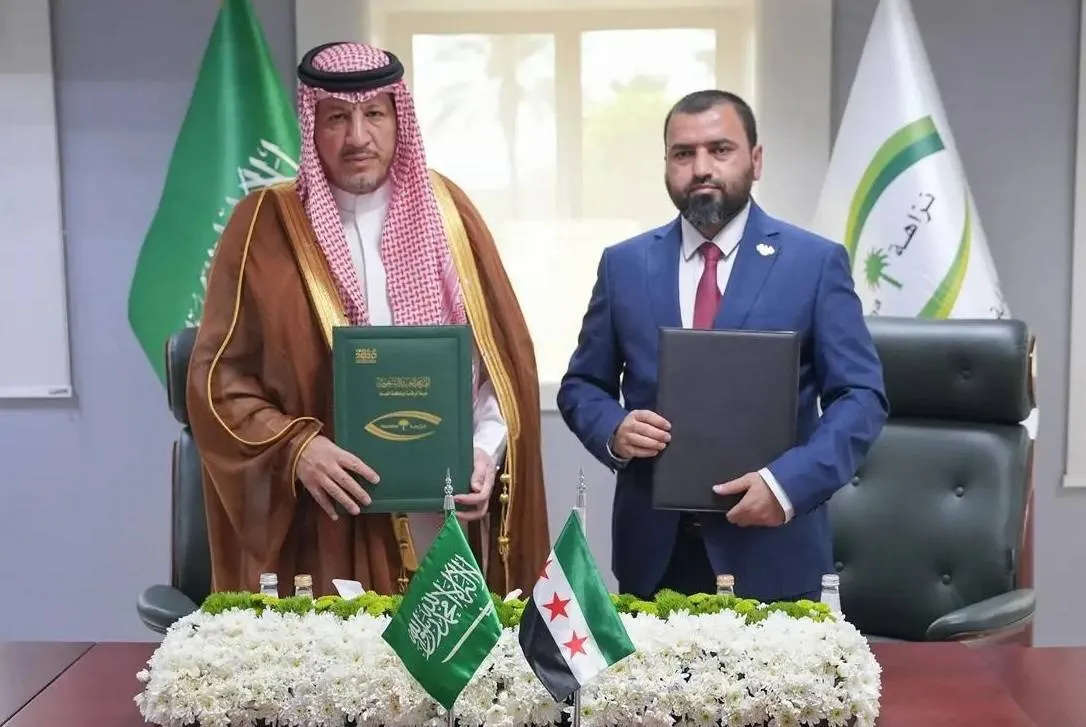
Saudi Arabia and Syria signed a memorandum of understanding on Thursday in Mecca concerning the fight against corruption and the enhancement of mutual cooperation between the two nations. Representing Saudi Arabia was Mazen Al-Kahmous, the head of the Anti-Corruption Commission, while the Syrian side was represented by Engineer Amer Al-Ali, the head of the Central Commission for Control and Inspection.
The memorandum aims to strengthen collaboration in combating cross-border corruption crimes, sharing relevant information and expertise, and developing institutional capacities for both parties. The two sides discussed ways to enhance joint cooperation and reviewed key measures and practices implemented by Saudi Arabia to promote transparency and protect integrity.
Event Details
This initiative is part of the efforts by both countries to bolster bilateral cooperation across various fields, with anti-corruption being a core priority in government policies. Successful experiences from both Saudi Arabia and Syria in this area were highlighted, reflecting the desire of both parties to exchange knowledge and expertise.
Through this memorandum, Saudi Arabia seeks to enhance transparency in its governmental institutions, while Syria aims to improve oversight and inspection mechanisms on economic and administrative activities. This collaboration is considered a crucial step towards achieving shared goals in combating corruption and promoting integrity.
Background & Context
Historically, many countries in the region have suffered from corruption, which adversely affects economic and social development. With the increasing awareness of the importance of combating corruption, many nations have begun to take serious steps to enhance transparency and integrity.
The memorandum of understanding between Saudi Arabia and Syria is part of this positive trend, as both countries aim to strengthen bilateral cooperation in facing common challenges. In recent years, there has been a growing movement among Arab governments to enhance transparency and strengthen oversight institutions.
Impact & Consequences
The memorandum is expected to contribute to strengthening economic and political relations between Saudi Arabia and Syria, potentially opening new avenues for cooperation in other areas. This collaboration may also encourage other countries in the region to take similar steps towards combating corruption.
This initiative is also an indicator of both countries' desire to enhance their internal stability, as fighting corruption is a fundamental factor in achieving sustainable development. These efforts could improve the image of both nations on regional and international stages.
Regional Significance
Combating corruption is a vital issue that affects all Arab countries. The enhancement of cooperation between Saudi Arabia and Syria in this field may encourage other nations to take similar actions, contributing to an improved business environment and increased investments.
Furthermore, this collaboration could help promote stability in the region, as corruption is one of the main factors leading to instability. By enhancing transparency and integrity, Arab countries can achieve greater progress in economic and social development.
In conclusion, the memorandum of understanding between Saudi Arabia and Syria represents an important step towards enhancing cooperation in combating corruption, which may contribute to achieving sustainable development goals and promoting stability in the region.