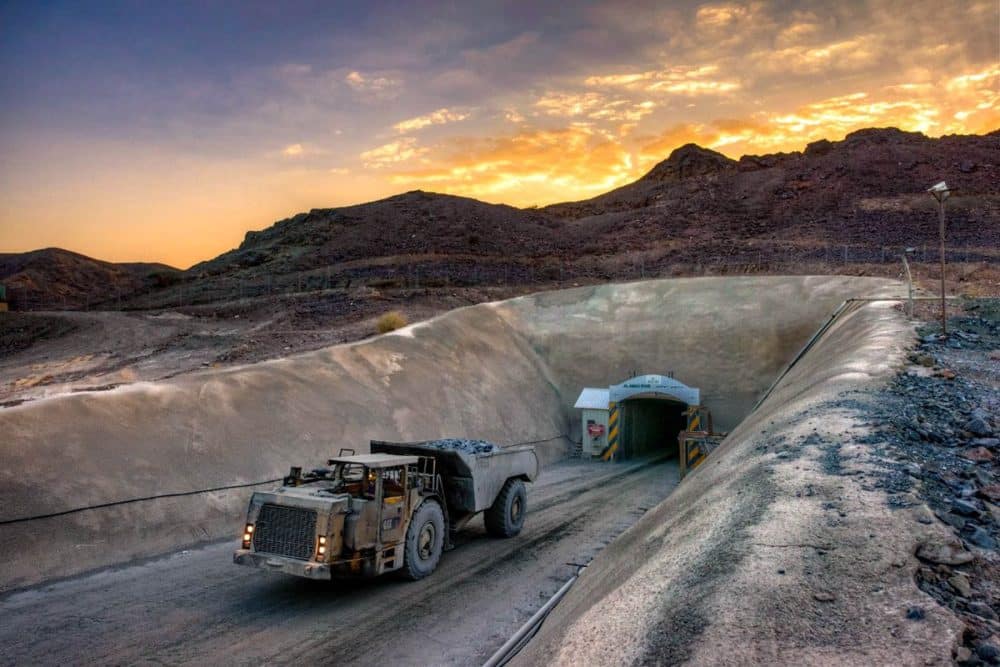
Saudi Arabia has announced its entry into the top 10 countries in the global mining sector, with mineral wealth estimated at approximately 9.4 trillion riyals. This move reflects the Kingdom's commitment to enhancing the mining sector as part of its economic vision 2030, which aims to reduce dependence on oil and diversify income sources.
The mineral wealth in Saudi Arabia includes a wide range of metals such as gold, silver, copper, and iron, in addition to industrial minerals. The government aims to effectively exploit these resources through local and foreign investments, contributing to the creation of new job opportunities and boosting economic growth.
Event Details
Saudi Arabia is considered one of the countries rich in natural resources, possessing significant reserves of minerals that have yet to be exploited. A recent report indicated that the Kingdom could significantly increase its mineral production in the coming years. This trend aligns with global efforts to transition towards more sustainable energy sources.
The Ministry of Industry and Mineral Resources in Saudi Arabia is working to attract foreign investments in this sector, having launched several initiatives and programs to facilitate the entry of global companies. Additionally, the necessary infrastructure to support mining operations, including roads and ports, has been developed.
Background & Context
Historically, Saudi Arabia has relied heavily on oil revenues, but global economic changes and the increasing demand for minerals have prompted the government to reconsider its economic strategy. Vision 2030 aims to enhance non-oil sectors, including mining, as part of its efforts to achieve sustainable development.
The shift towards renewable energy is also increasing the demand for minerals such as lithium and cobalt, positioning Saudi Arabia strategically to meet these needs. This approach also reflects the Kingdom's commitment to sustainability and environmental protection.
Impact & Consequences
This step represents a significant shift in Saudi Arabia's economic strategy, potentially leading to increased foreign and local investments in the mining sector. The development of this sector could contribute to the creation of thousands of new jobs, thereby enhancing the standard of living in the country.
Furthermore, strengthening the mining sector could improve the Kingdom's trade balance and increase its export revenues. This could help reduce dependence on oil and enhance the stability of the Saudi economy in the long term.
Regional Significance
Saudi Arabia serves as a model in the Arab region for developing the mining sector, which may encourage other countries to exploit their mineral resources. This could lead to enhanced regional cooperation in mining and the exchange of expertise and knowledge.
Moreover, Saudi Arabia's success in this field could improve the region's image as an investment destination, attracting more foreign investments. This could contribute to achieving sustainable development in Arab countries and enhance economic stability.
In conclusion, Saudi Arabia's entry into the top 10 countries in global mining represents a strategic step towards achieving economic diversification. This trend reflects the Kingdom's ambitious vision for a more sustainable and prosperous future.