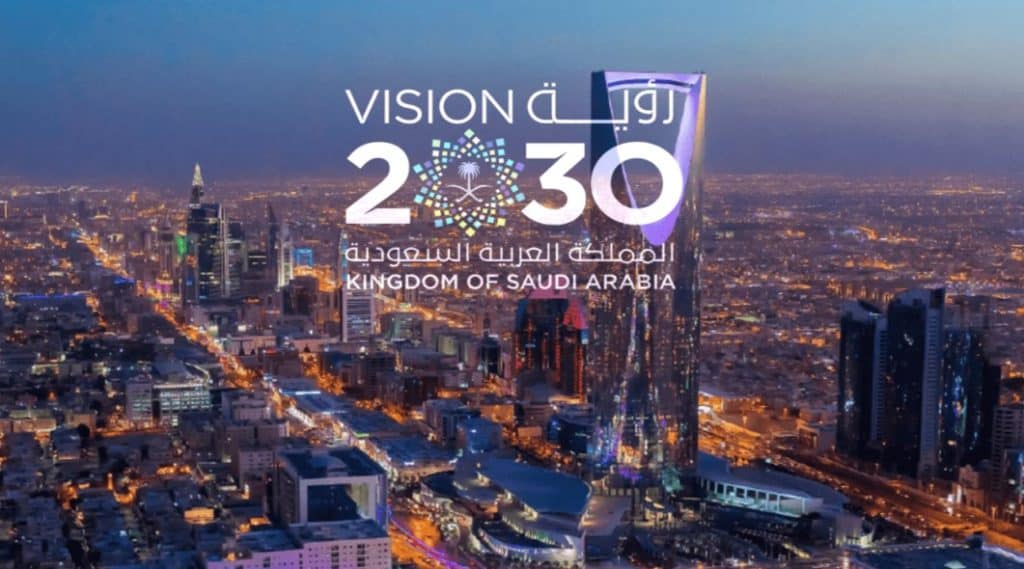
Saudi Arabia announced that Vision 2030 has entered its third and final phase, achieving 93% of the targeted key performance indicators for 2025. The annual report released on Saturday showed remarkable progress in implementing economic and social initiatives, with 935 initiatives completed out of 1,290, while 225 other initiatives are on track.
The report indicated that all 309 vision indicators have met or exceeded their interim targets. More than 2,200 reforms and measures have been implemented during the previous two phases. These achievements are expected to enhance the Kingdom's position on the global economic stage.
Key Economic Indicators
According to the report, the real GDP of the Kingdom reached $1.31 trillion in 2025, with non-oil activities contributing 55% to the GDP. The non-oil GDP also witnessed a growth of 4.9% compared to 2024, reflecting the Kingdom's success in diversifying its economy away from oil dependency.
The Kingdom recorded the highest annual economic growth rate in three years at 4.5%. The contribution of the private sector to GDP increased to 51%, compared to 44% at the launch of the vision, bringing its total contribution to $660.5 billion. Foreign direct investment inflows rose to $35.5 billion in 2025, compared to $7.5 billion in 2017.
Background & Context
Launched in 2016, Vision 2030 is an ambitious plan aimed at transforming the Saudi economy and enhancing social development. The vision targets reducing oil dependency, increasing private sector participation, and boosting foreign investments. Since then, the government has been implementing a range of economic and social reforms.
The vision also includes improving the standard of living for citizens, with home ownership rates rising to 66.24% by the end of 2025, compared to 47% in 2016. Additionally, 851,387 Saudi families have been registered as homeowners. In healthcare, health services covered 97.5% of the population, reflecting the government's commitment to improving quality of life.
Impact & Consequences
These achievements mark a milestone in the Kingdom's efforts to realize its economic and social goals. With the number of international companies establishing regional headquarters in Saudi Arabia increasing from 44 in 2021 to over 700 in 2025, it is evident that the Kingdom has become an attractive destination for investments.
The rise in women's participation in the workforce from 22.8% to 35% by 2025, along with women owning 48% of business licenses, reflects progress in women's empowerment and their role in the economy. This progress enhances the Kingdom's position as a major supporter of women's empowerment in the region.
Regional Significance
Saudi Arabia's Vision 2030 is a strategic step towards achieving sustainable development and enhancing the national economy. The Kingdom's initiatives are not only reshaping its economic landscape but also setting a precedent in the region for economic diversification and social reform.
As the Kingdom continues to implement its vision, it is expected that these efforts will lead to a more resilient economy and improved living standards for its citizens, ultimately positioning Saudi Arabia as a leader in the region.