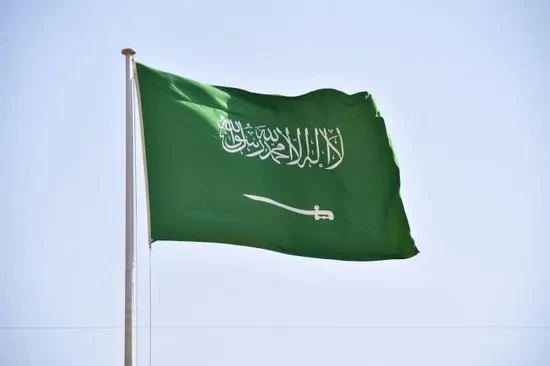
The Saudi physics team achieved a remarkable feat by winning 4 international awards at the 2026 Baltic Physics Olympiad held in Tallinn, Estonia, from April 24 to 26. This event saw the participation of 120 students representing 13 countries.
The awards were distributed among two bronze medals won by students Rida Salem Al-Khamis from the General Education Department in Al-Ahsa and Mohammed Mahmoud Al-Raml from the General Education Department in the Eastern Province. Additionally, students Mohammed Nasser Al-Ali and Nasser Hisham Al-Shaiah received certificates of appreciation from the General Education Departments of the Eastern Province and Riyadh, respectively.
A Closer Look at the Event
With this achievement, the Kingdom's total in the Baltic Physics Olympiad has risen to 29 international awards, which include two gold medals, 10 silver medals, 12 bronze medals, and 5 certificates of appreciation, earned through 7 participations since 2020.
This participation is part of the Talent program for international Olympiads, implemented by the King Abdulaziz and His Companions Foundation for Talent and Creativity in strategic partnership with the Ministry of Education. The program includes a comprehensive qualification journey featuring national competitions and specialized training programs supervised by local and international experts.
Background & Context
The Baltic Physics Olympiad, which began in 1992, is a regional competition established in collaboration between Estonia and Finland, aimed at qualifying participating teams for the International Physics Olympiad. This event has evolved into one of the most prominent scientific competitions globally, with approximately 15 countries participating annually.
Students participating in international Olympiads undergo intensive training programs conducted by Talent throughout the year, which include multiple stages of theoretical and practical scientific qualification, along with internal and external training camps aimed at enhancing their skills in solving advanced physics problems.
Impact & Consequences
This achievement contributes to enhancing the Kingdom's status in international scientific forums and reflects the efforts made to develop education and scientific research in the country. It also demonstrates the Kingdom's commitment to supporting talented and creative individuals in scientific fields.
These awards serve as an incentive for other students in the Kingdom, fostering a spirit of competition and innovation, and encouraging participation in such global scientific events.
Regional Significance
This achievement serves as a model for Arab countries in the field of education and scientific research, highlighting the importance of investing in youth and talent. It also reflects the ability of Arab nations to compete in the fields of science and technology on an international level.
In conclusion, this achievement is a significant step towards realizing the Kingdom's Vision 2030, which aims to enhance education and innovation across all sectors.