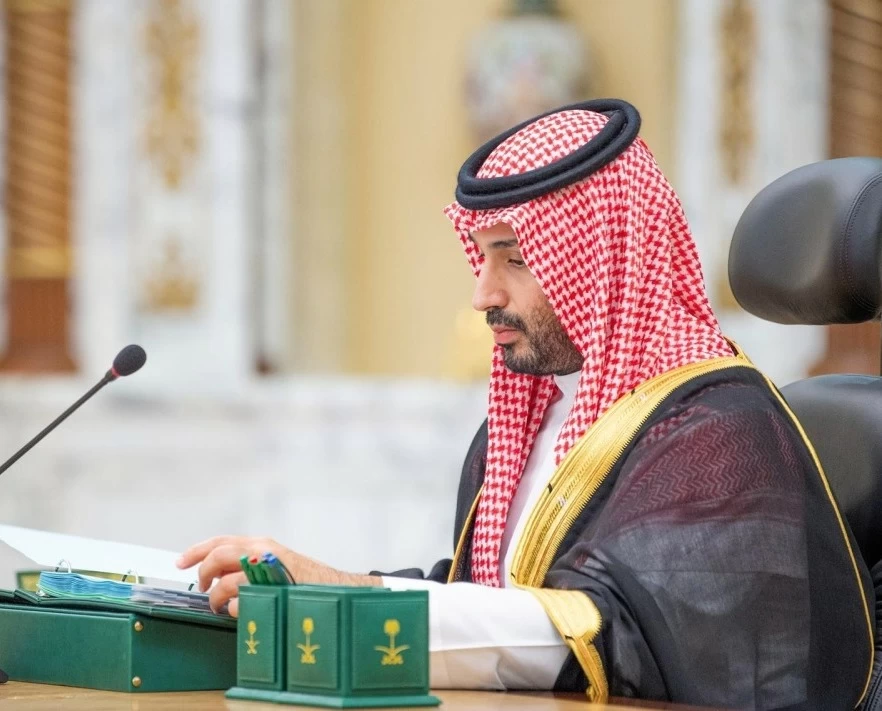
The Saudi Cabinet, during its session chaired by Crown Prince Mohammed bin Salman bin Abdulaziz, approved the regulations governing contracts with Saudi citizens abroad, aiming to enhance job opportunities for citizens in international markets.
The organizational structure and regulatory guide for the Ministry of Hajj and Umrah were also adopted, reflecting a commitment to improving services provided to pilgrims and Umrah performers.
Event Details
The Cabinet meeting took place in Jeddah, where the Crown Prince opened the session by informing members about a message from the President of Djibouti, Ismail Omar Guelleh, concerning bilateral relations. The council also discussed consultations with several international leaders, including Syrian President Ahmad al-Shara, Lebanese President Joseph Aoun, Swiss President Guy Parmelin, Ukrainian President Volodymyr Zelensky, Japanese Prime Minister Sanae Takaichi, Czech Prime Minister Andrej Babiš, and Bangladeshi Prime Minister Tarique Rahman.
In another context, the Crown Prince expressed appreciation for the efforts of the Gulf Cooperation Council leaders during the consultative Gulf summit, praising the cooperation among brotherly countries to achieve security and stability in the region.
Background & Context
These decisions come at a time when the region is facing numerous political and economic challenges. Minister of Information Salman bin Yusuf Al-Dosari confirmed that the Cabinet is closely monitoring regional and international developments, emphasizing the Kingdom's steadfast positions in supporting global peace and stability efforts.
The council also addressed the achievements made under the Kingdom's Vision 2030, which aims to enhance economic diversification and increase the contribution of non-oil sectors. Reports indicated that the percentage of indicators meeting their annual targets reached 93%, reflecting the success of structural and economic reforms.
Impact & Consequences
The new regulations for contracting with Saudi citizens abroad are a significant step towards enhancing job opportunities for citizens, contributing to reducing unemployment and increasing national income. Additionally, the new organizational structure for the Ministry of Hajj and Umrah will improve the quality of services provided to pilgrims, positively impacting the Kingdom's image as a global religious destination.
These measures reaffirm the Kingdom's commitment to achieving sustainable development and enhancing competitiveness in global markets, which will help improve the quality of life for citizens.
Regional Significance
These decisions serve as a model for other Arab countries, reflecting a trend towards economic and social reforms. Strengthening cooperation among Arab countries in youth, sports, and economic fields will contribute to achieving sustainable development in the region.
In conclusion, these decisions represent a positive step towards achieving the goals of Vision 2030, enhancing the Kingdom's position on the international stage and affirming its leading role in the region.