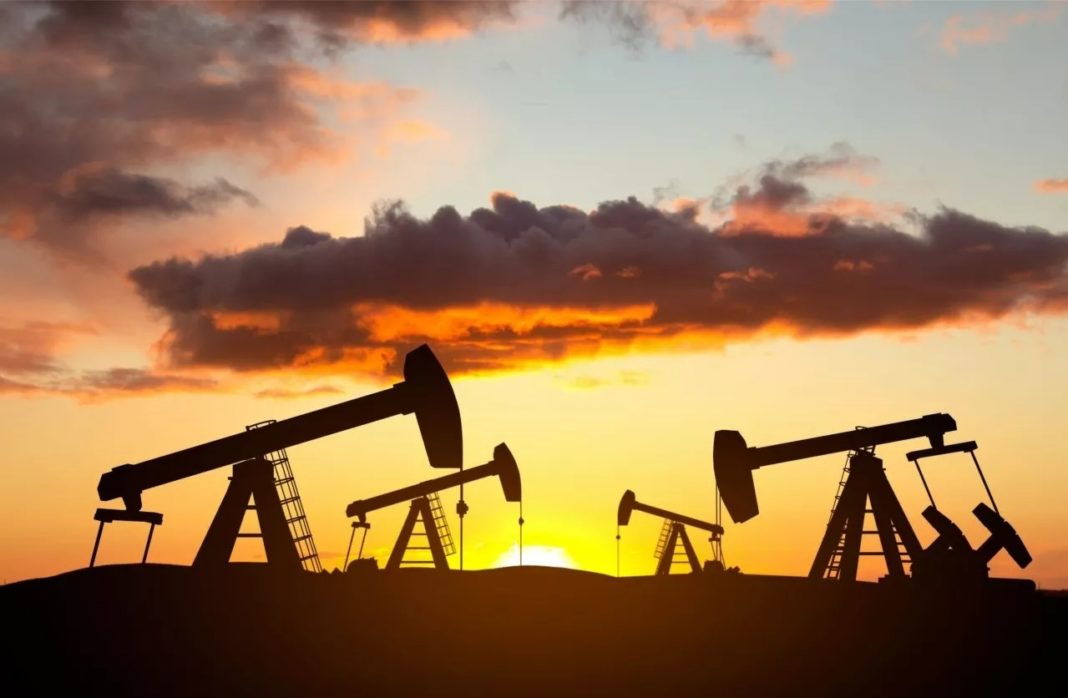
Saudi Arabia's crude oil exports decreased by 50% in March, following Iran's closure of the Strait of Hormuz to oil tankers, which compelled the kingdom to redirect its oil flows to its western coast. This Iranian action comes at a sensitive time, as Saudi oil exports are one of the main sources of revenue for the kingdom.
According to reports, this decline in exports has significantly impacted the Saudi economy, which heavily relies on oil revenues. This situation has increased pressure on the Saudi government to find alternatives to compensate for this revenue shortfall.
Details of the Event
In March, Saudi oil exports recorded a notable decline, dropping to 4.5 million barrels per day compared to 9 million barrels per day in previous months. This sharp decline was a direct result of Iran's actions that led to the closure of the Strait of Hormuz, a vital waterway through which a large percentage of global oil exports pass.
Iran, seeking to enhance its influence in the region, used this measure as a means to pressure other countries. This move forced Saudi Arabia to seek alternative methods for transporting its oil, resulting in increased costs and longer transit times to global markets.
Background & Context
The Strait of Hormuz is one of the most important waterways in the world, through which approximately 20% of total global oil exports pass. Historically, the strait has witnessed numerous tensions between Iran and Western countries, especially following sanctions imposed on Iran due to its nuclear program. These tensions have heightened fears of potential conflicts in the region, affecting the stability of the global oil market.
As the largest oil producer in OPEC, Saudi Arabia plays a crucial role in stabilizing global oil prices. However, the increasing tensions in the region could lead to price volatility, impacting the global economy as a whole.
Impact & Consequences
The decline in Saudi oil exports could lead to significant economic repercussions. With revenues decreasing, the government may be forced to cut spending on developmental projects, which would affect economic growth in the kingdom. Additionally, this situation could influence global oil prices, as a supply shortage may drive prices up.
Moreover, this situation may increase pressure on Saudi Arabia to strengthen its relationships with other countries, especially in light of the rising tensions with Iran. The kingdom may seek to enhance cooperation with other producing nations to compensate for the export shortfall.
Regional Significance
This development has wide-ranging implications for the Arab region. As tensions rise between Iran and Saudi Arabia, other Gulf countries may also be affected, increasing fears of new conflicts in the region. Furthermore, this situation could impact the stability of financial markets in Arab countries, many of which rely on oil revenues.
In conclusion, the decline in Saudi oil exports due to Iran's closure of the Strait of Hormuz represents a significant challenge not only for the kingdom but for the entire region. The current situation requires a swift and effective response from the Saudi government and other Arab nations to ensure regional economic stability.