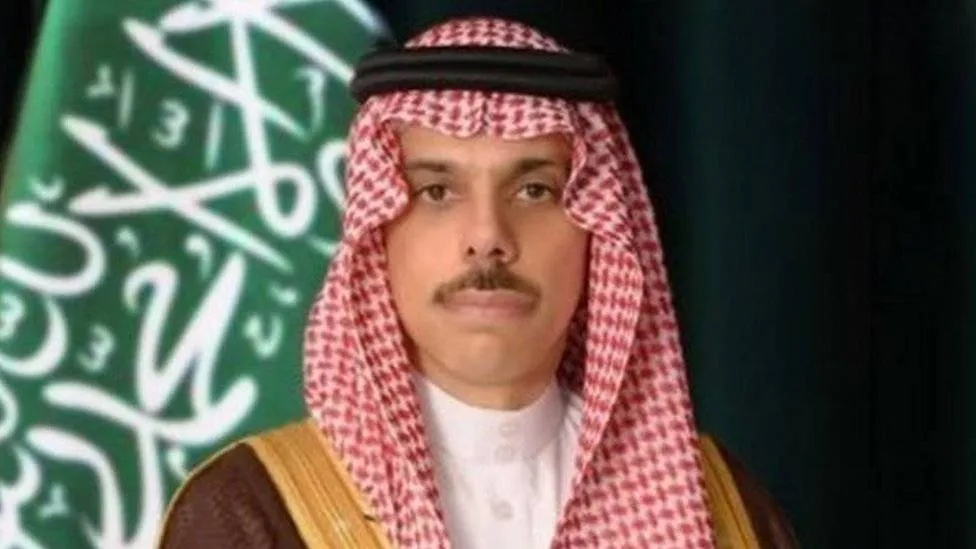
Saudi Foreign Minister Prince Faisal bin Farhan held phone discussions with his counterparts, Kuwaiti Sheikh Jassim Al-Sabah and Latvian Minister Baiba Braze, focusing on the latest developments in the region and the efforts to bolster security and stability.
During the call with Minister Baiba Braze, Prince Faisal reviewed the bilateral relations between the Kingdom and Latvia, highlighting the importance of enhancing cooperation between the two countries across various fields.
Details of the Event
In another call, Prince Faisal bin Farhan discussed regional developments with Mohammad Ishaq Dar, the Pakistani Deputy Prime Minister and Foreign Minister. Both sides stressed the importance of continued coordination and consultation to address shared challenges.
In a related context, Sheikh Mohammed bin Zayed Al Nahyan, President of the United Arab Emirates, discussed bilateral relations and ways to enhance cooperation with Syrian President Ahmad Al-Shara. The Syrian President emphasized the importance of developing relations to serve the interests of both peoples.
Background & Context
These communications come at a sensitive time when the region is experiencing increasing tensions, particularly with the ongoing Iranian attacks targeting Gulf countries. The International Civil Aviation Organization (ICAO) condemned these attacks, indicating that they pose a threat to civil aviation safety.
Saudi Arabia, through its permanent representative to the organization, reaffirmed its commitment to the Chicago Convention and support for the smooth flow of air traffic, emphasizing the necessity for all countries to adhere to the provisions of the convention and not to use civil aviation for unlawful purposes.
Impact & Consequences
Concerns are growing that Iranian attacks could lead to further escalation in the region, potentially adversely affecting security and stability. International reports have warned that these attacks represent a threat to the global economy, especially as many countries rely on energy supplies from the Gulf.
Analysts believe that these attacks reflect an aggressive behavior from Iran, necessitating a strong international response to ensure regional security. Additionally, military escalation could lead to unforeseen consequences for the peoples of the region.
Regional Significance
These developments underscore the importance of enhancing cooperation among Arab countries to face shared challenges. The coordination between Saudi Arabia, the UAE, and Syria reflects a desire to strengthen security and stability in the region.
In conclusion, the situation in the region remains under observation, as the current circumstances require a coordinated response from Arab countries to address the increasing threats and ensure the safety of their peoples.