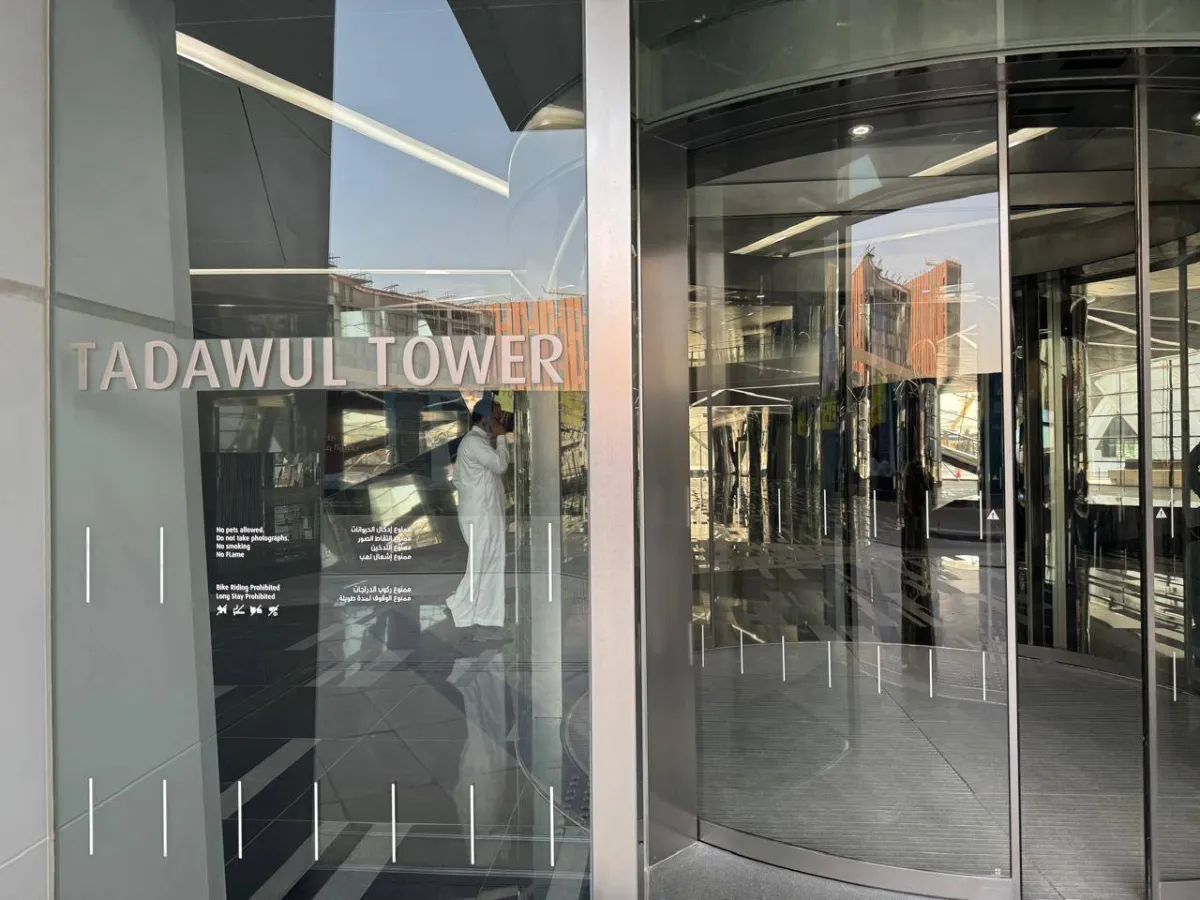
Saudi Tadawul Group has announced its preliminary financial results for the first quarter of 2026, revealing a notable decline in net profits by 53.9%. This drop is primarily due to reduced trading volumes and increased costs associated with strategic expansion plans.
The group recorded a net profit after zakat of 55.6 million riyals (14.8 million USD) during the first quarter, compared to 120.5 million riyals (32.1 million USD) in the same period last year. Additionally, operating revenues fell to 294.6 million riyals (78.5 million USD), marking a 10.2% decline from the previous year.
Details of the Decline
This revenue decline is attributed to a 15.9% drop in the average daily trading value of stocks, which directly impacted revenues from trading and post-trading services. In a statement, Engineer Khalid bin Abdullah Al-Hussan, the group’s CEO, emphasized that the results reflect a phase of necessary investment, noting that the group continues to implement its strategic initiatives to develop the infrastructure of the Saudi financial market.
Al-Hussan also pointed out that opening the main market to all categories of foreign investors starting from February 1, 2026 is a significant step to enhance market attractiveness and diversify the investor base. He explained that the group aims to reduce reliance on trading commissions and diversify income sources through its current investments.
Background & Context
The first quarter saw an increase in operating expenses, which reached 255.4 million riyals (68.1 million USD), up 15.8% compared to the previous year. This increase is directly linked to the group’s implementation of strategic growth-supporting plans, resulting in higher depreciation and amortization costs associated with new systems and technologies.
Despite the overall revenue decline, the group maintained a solid financial position, with total equity amounting to 3.49 billion riyals (931.7 million USD). The Board of Directors also recommended distributing dividends for the fiscal year ending December 2025 amounting to a total of 276 million riyals (73.6 million USD), at a rate of 2.30 riyals (0.61 USD) per share, reflecting the group’s commitment to rewarding its shareholders despite current challenges.
Impact & Consequences
These results indicate the challenges faced by companies in the Saudi financial market, particularly amid global economic changes. The profit decline may affect investor confidence in the market, necessitating the group to take strategic steps to enhance financial performance.
On the other hand, expanding efforts to attract foreign investments could contribute to improving the financial situation in the long term, provided that strategic plans are effectively implemented. This also requires continuous monitoring of market performance and adapting to economic changes.
Regional Significance
Saudi Tadawul Group is one of the prominent financial institutions in the region, and its profit decline may have repercussions on financial markets in neighboring countries. Moreover, its strategies to attract foreign investments could encourage other countries in the region to adopt similar policies to enhance their financial markets.
In conclusion, the focus remains on how the group responds to current challenges and its ability to achieve its strategic objectives in the future.