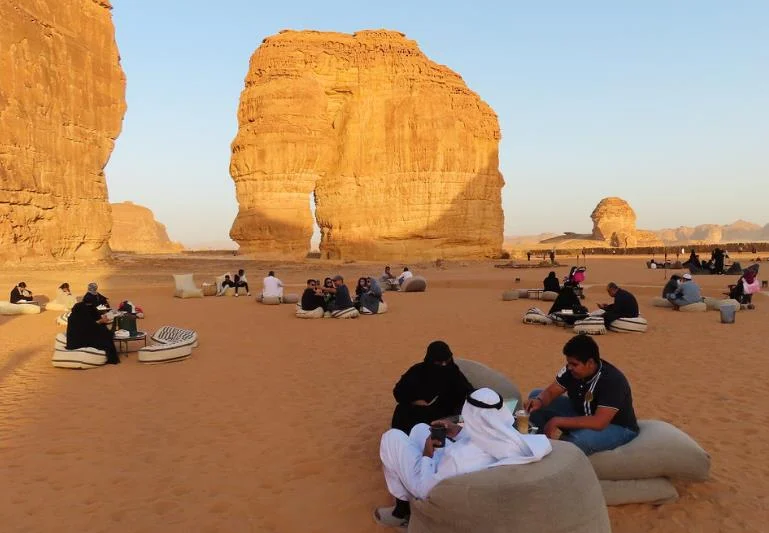
The Saudi Minister of Tourism revealed expectations indicating that the travel sector surplus in the Kingdom will reach 50 billion riyals by 2025. These statements come at a time when the Kingdom is striving to enhance its status as a global tourist destination, as part of Vision 2030 aimed at diversifying the Saudi economy.
The Saudi government's plan includes significant investments in tourism infrastructure, including the development of major tourism projects and improving services provided to tourists. The Kingdom also aims to attract more international visitors, which will contribute to increasing tourism revenues and boosting the local economy.
Event Details
The minister stated that the government is implementing multiple strategies to attract tourists, including enhancing visitor experiences and offering competitive packages. A series of cultural and entertainment events have also been announced to take place in various regions of the Kingdom, reflecting the diversity of Saudi culture and enhancing the appeal of tourist destinations.
The Kingdom is also keen on promoting domestic tourism by encouraging citizens to explore local tourist attractions. Studies have shown that domestic tourism represents an important part of the economy, as it supports small and medium-sized enterprises.
Background & Context
Historically, tourism in Saudi Arabia was limited to Umrah and Hajj, but the government has been expanding the scope of tourism to include recreational and cultural tourism for several years. These efforts are part of Vision 2030, launched by the Saudi Crown Prince, which aims to reduce dependence on oil and diversify income sources.
Tourism is considered one of the vital sectors that can contribute to achieving sustainable development goals, as it provides new job opportunities and enhances the local economy. Additionally, tourism plays an important role in strengthening cultural relations between the Kingdom and other countries.
Impact & Consequences
This expected surplus in the travel sector is anticipated to create numerous economic opportunities, including increased foreign and domestic investments in the tourism sector. It will also contribute to enhancing infrastructure and developing local skills in hospitality and tourism.
The government aims to improve the quality of tourism services, which will enhance visitor experiences and increase hotel occupancy rates and tourist facilities. Moreover, the increase in visitor numbers will help support the national economy as a whole.
Regional Significance
Saudi Arabia is considered one of the largest tourist destinations in the region, and its success in this sector reflects a positive impact on neighboring countries. These steps can encourage other countries in the region to develop their tourism sectors, contributing to enhanced regional cooperation.
Furthermore, the Kingdom's success in attracting tourists can help improve the overall image of the region and enhance economic and social stability. Tourism is not just a source of income; it is also a means to promote mutual understanding between different cultures.
The positive forecasts for the Saudi travel sector indicate a promising future, as the Kingdom seeks to achieve its ambitious tourism goals. This surplus is expected to have positive effects on the national economy, further enhancing the Kingdom's position as a leading tourist destination.