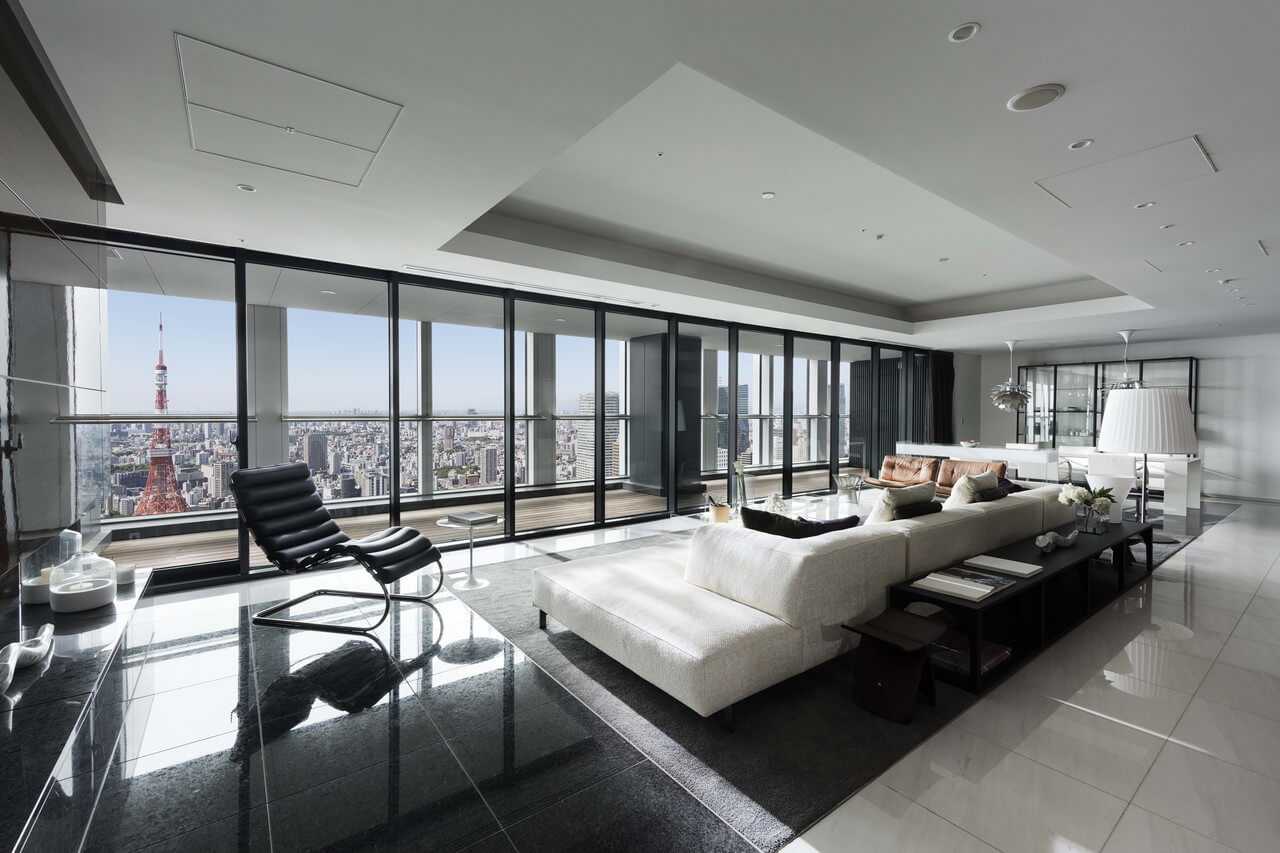
Canadian company BGO has successfully sold a large office building located in the heart of Tokyo, with the transaction valued at $628 million. The buyer is a local developer specializing in residential apartments, who intends to transform this building into luxury apartments that cater to the growing needs of affluent buyers.
This deal is considered one of the largest real estate transactions in Japan, with reports indicating that BGO has realized significant profits from this sale, reflecting the increasing strength of the real estate market in Tokyo. This shift in the building's use comes at a time when Japan is witnessing a rise in demand for luxury housing, particularly from wealthy individuals seeking safe and profitable investments.
Details of the Transaction
The sold building is situated in a vibrant area of Tokyo, making it an attractive location for investors. The local developer aims to redesign the building and convert it into luxury residential apartments, which aligns with current trends in the Japanese real estate market. Experts suggest that this transformation could enhance the property's value and attract more buyers.
This move is part of a broader strategy to boost the real estate market in Tokyo, as developers strive to meet the increasing demand for luxury housing. Additionally, this transformation reflects changes in lifestyle patterns in Japan, where many people prefer to live in central areas that provide easy access to amenities and services.
Background & Context
Historically, Japan has witnessed significant developments in its real estate market, especially following the economic crisis of the 1990s. Since then, the Japanese government has taken steps to stimulate the economy, including supporting the real estate sector. In recent years, both foreign and domestic investments in this sector have increased, leading to a market revival.
Tokyo is one of the most densely populated cities in the world, which amplifies the demand for housing. With the growing number of wealthy individuals in Japan, there is an urgent need to provide luxury housing options that meet their requirements. This dynamic contributes to stimulating the real estate market and creating new investment opportunities.
Impact & Consequences
This transaction is an indicator of the recovery of the real estate market in Tokyo and may lead to increased investments in the sector. Furthermore, converting commercial buildings into residential apartments could improve the quality of life in the city by providing diverse housing options that meet the needs of residents.
Moreover, this deal may encourage more developers to invest in similar projects, thereby enhancing market activity and increasing job opportunities in this sector. This transformation could also contribute to improving infrastructure and services in the surrounding areas.
Regional Significance
This transaction serves as an example of how to capitalize on opportunities in global real estate markets, which can be a lesson for Arab countries seeking to enhance their investments in this sector. With the rising demand for luxury housing in many Arab cities, Arab investors can learn from this experience and explore similar opportunities in their local markets.
In conclusion, this deal reflects the dynamic changes in the global real estate market and highlights the importance of adapting to evolving market needs. It also points to new opportunities for investors around the world.