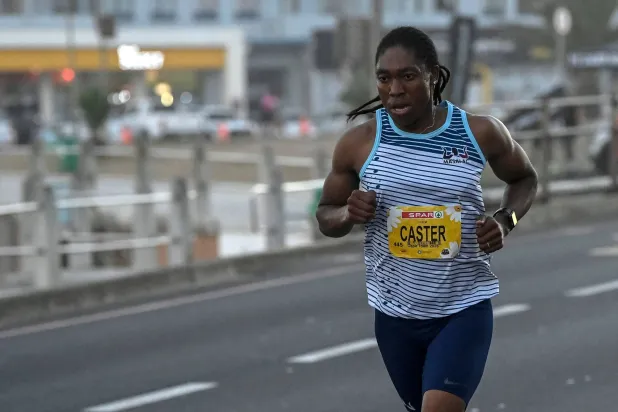
Caster Semenya, the South African athlete who won two Olympic gold medals in the 800 meters, has declared her firm opposition to the International Olympic Committee's policy regarding gender testing for female athletes. These statements come at a sensitive time, as this policy has sparked widespread debate about fairness and equality in sports competitions.
Semenya is considered one of the most prominent athletes who have faced legal challenges due to these policies, as restrictions have been placed on her participation in competitions because of her testosterone levels. This issue has raised many questions about athletes' rights and the necessity of protecting their rights in competitions.
Details of the Announcement
In her recent statements, Semenya emphasized that she will not stand idly by in the face of these policies, which she views as discriminatory. She pointed out that these tests do not reflect the true athletic abilities of women but rather contribute to the exclusion of some from competitions. She confirmed that she would use all available means to oppose these policies, including resorting to the courts if necessary.
This move comes after years of legal battles that Semenya has fought against the International Olympic Committee, during which restrictions were imposed on her participation in several major championships. This issue has garnered global attention, with many viewing it as a violation of human rights and athletes' rights.
Background & Context
The roots of this issue date back to 2015 when the International Olympic Committee issued new rules concerning testosterone levels in athletes. These rules sparked widespread controversy, as some considered them discriminatory against women who naturally have higher levels of this hormone. Since then, Semenya has become a symbol of the struggle for athletes' rights against discriminatory policies.
Although the International Olympic Committee claims that these policies aim to ensure fairness in competitions, many experts believe that these rules lack scientific basis and lead to the exclusion of certain athletes. Multiple studies have shown that athletic performance is not solely dependent on testosterone levels but is influenced by various factors including training, nutrition, and psychological aspects.
Impact & Consequences
The Semenya case exemplifies the challenges faced by many female athletes worldwide. If Semenya succeeds in opposing these policies, it could pave the way for significant changes in how sports competitions are organized. This case could also lead to a reevaluation of the current policies of the International Olympic Committee, potentially impacting many other female athletes.
Furthermore, this case could influence how countries address human rights issues in sports. If Semenya's rights are recognized, it may encourage more athletes to speak out about their issues and confront discriminatory policies.
Regional Significance
The Semenya case holds particular importance for athletes in the Arab region, where many face similar challenges. Semenya's courage may inspire Arab athletes to voice their issues and rights, potentially leading to positive changes in how sports are organized in the region. This case could also highlight the importance of fairness and equality in sports competitions, which requires greater attention from sports authorities in the Arab world.
In conclusion, Caster Semenya's case represents more than just an individual struggle; it is a symbol of the fight for athletes' rights and equality in competitions. Her strong stance may contribute to changing sports policies on a global level and reinforce the importance of justice in sports.