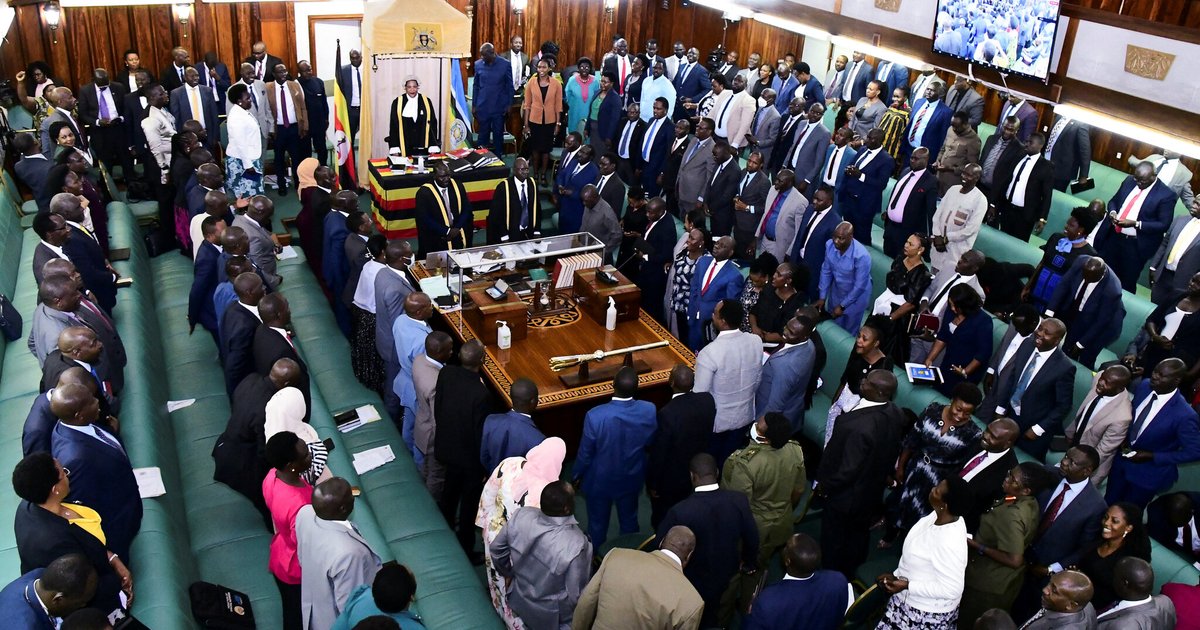
In a controversial move, Senegal's President Macky Sall has signed a new law imposing stricter penalties on practices related to homosexuality. This decision comes at a time when international pressure is mounting on African nations to improve their human rights records, raising alarms among human rights organizations and activists.
The new law, which has been ratified by parliament, imposes penalties of up to 5 years in prison for individuals convicted of homosexual acts. This legislation has sparked mixed reactions both within the country and abroad, with some viewing it as a setback for human rights.
Details of the Legislation
The new law was approved at a time when the world is witnessing significant shifts in societal attitudes towards homosexuality. In Senegal, where homosexuality is considered illegal, this law is seen as a reinforcement of the conservative policies adopted by the government. This decision followed a series of protests organized by human rights activists calling for the repeal of discriminatory laws.
It is worth noting that Senegal is one of the African countries that impose strict laws against homosexuality, where individuals convicted of homosexual acts face severe penalties. These laws have led to the marginalization of LGBTQ+ communities and increased discrimination against them.
Historical Context
Historically, human rights issues in Africa, particularly concerning homosexuality, have been contentious. In recent years, some African nations have made positive strides towards accepting homosexuality, while others have continued to bolster their discriminatory laws. In this context, Senegal's decision is seen as a regression from the progress made by some countries in this area.
In 2019, the first public LGBTQ+ events were held in Senegal, sparking widespread debate in society. However, the government has not taken tangible steps to protect the rights of this group; on the contrary, it has tightened laws against them.
Impact and Consequences
Forecasts indicate that this new law will lead to increased discrimination and violence against LGBTQ+ individuals in Senegal. It may also negatively impact the country's image in the international community, where respect for human rights is one of the fundamental criteria by which nations are evaluated.
Concerns are growing that this law will foster a culture of fear and discrimination, making it difficult for LGBTQ+ individuals to live freely and safely. Additionally, international human rights organizations may intensify their pressure on the Senegalese government to retract this law.
Significance for the Arab Region
As many Arab countries face similar issues, Senegal's decision serves as a reminder of the importance of human rights in the region. LGBTQ+ communities in many Arab nations encounter significant challenges, including discrimination and violence. This decision may inspire activists in Arab countries to continue their efforts in defending human rights and equality.
In conclusion, Senegal's recent decision highlights how human rights issues remain a sensitive topic in many countries, underscoring the need for further dialogue and understanding in this area.