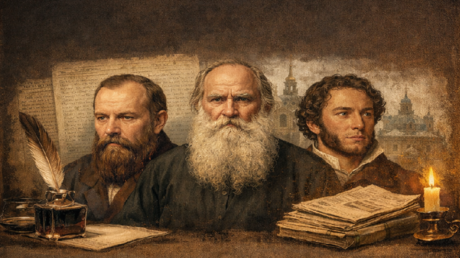
Decades before television emerged, Russian readers eagerly awaited the next installment of serialized novels in literary magazines. This phenomenon reflects the passion for Russian literature and its impact on popular culture.
Historically, serialized novels were a popular means of publishing literature in Russia, appearing in literary magazines and presented to readers in consecutive installments. This form of literature was not merely a means of entertainment; it played a significant role in shaping cultural and social consciousness in Russian society.
Details of the Phenomenon
The roots of serialized novels can be traced back to the nineteenth century, when writers like Fyodor Dostoevsky and Leo Tolstoy began publishing their works in episodic form. This method allowed readers to follow events and characters continuously, increasing their enthusiasm and anticipation for each new chapter. For instance, Dostoevsky's novel The Brothers Karamazov, published in installments, sparked extensive discussions about morality, religion, and society.
The influence of serialized novels extended beyond literature to other arts such as theater and cinema. Many directors drew inspiration from these literary works to present them on stage or in films, contributing to the enhancement of Russian literature's status on the global stage.
Context and Background
In a broader historical context, serialized novels can be seen as part of a larger literary and cultural movement in Russia. During the nineteenth century, Russia underwent significant social and political transformations, which directly impacted literature. Serialized novels served as a platform for writers to express their views on these changes, making them a medium for discussing social and political issues.
The emergence of literary magazines as platforms for publishing serialized novels also contributed to the enhancement of reading culture in Russian society. These magazines attracted readers from various social classes, helping to disseminate ideas and literature among wide segments of the population.
Impact and Consequences
The impact of serialized novels is still felt today. They contributed to shaping the concept of the “episode” in popular culture, which has become an integral part of modern television series. This connection between literature and modern media reflects how literature can adapt over time and remain influential in people's lives.
Moreover, the success of serialized novels in Russia has inspired writers in other countries to adopt this writing style. This genre of literature has become popular in many cultures, reflecting the influence of Russian literature on the global literary scene.
Impact on the Arab Region
In the Arab world, we can see the influence of serialized novels in modern Arabic literature. Many Arab writers have been inspired by the style of serialized novels, using this literary form to engage readers and present important social and cultural issues. This influence reflects how literature can transcend cultural and geographical boundaries.
In conclusion, serialized novels in Russian literature remain a symbol of creativity and renewal, emphasizing the importance of literature as a means of expressing ideas and emotions. This genre of literature continues to enjoy great popularity and continues to influence new generations of writers and readers.