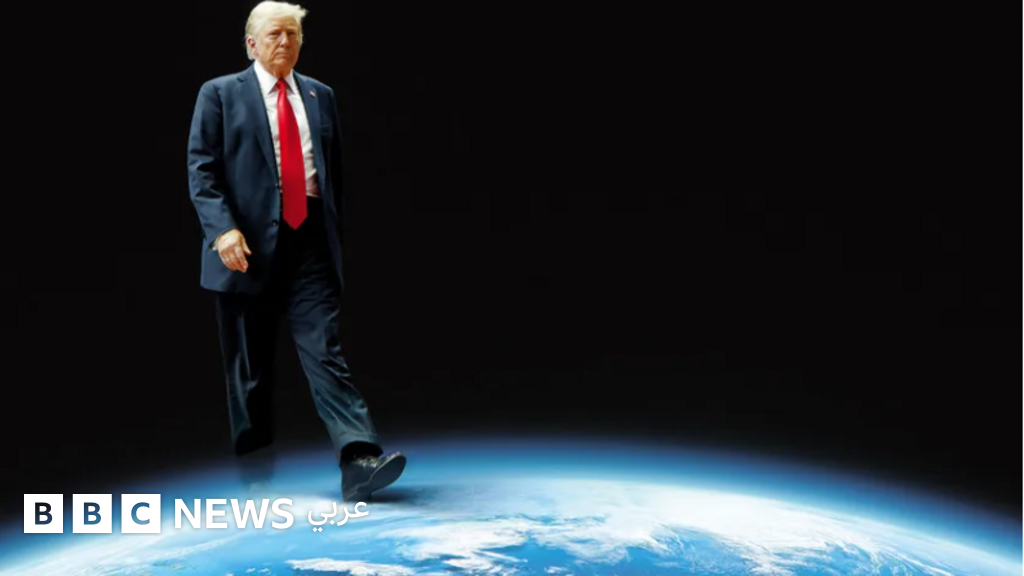
In a tragic new development in the Middle East, U.S. President Donald Trump has threatened to launch military strikes against Iranian power stations if the Strait of Hormuz is not reopened within two days. This threat reflects an unprecedented escalation in tensions between the United States and Iran, as the Strait of Hormuz is a vital strategic point for the transport of oil, food, and essential resources.
In response, the Iranian military announced that it would target sensitive infrastructure in the region, including power plants and desalination facilities, if American threats are carried out. The conflict is intensifying, particularly after Iranian media reported that over a hundred people were injured due to Iranian strikes targeting areas in southern Israel.
Historically, U.S.-Iran relations have witnessed numerous crises, beginning with the Islamic Revolution in 1979 and the subsequent harsh sanctions and overlapping crises. In recent years, matters have escalated between the two sides following the U.S. withdrawal from the Iranian nuclear deal in 2018. This withdrawal led to the reimposition of crippling sanctions on Tehran, prompting it to take escalatory steps, including expanding its nuclear program and enhancing its military capabilities.
The mutual threats indicate the extent of growing concern in the region, where Iran and its oil and gas resources represent a strategic position that attracts the attention of major powers. This places them in the crosshairs of economic and military conflict. Trump emphasizes his strategy by asserting that control of the Strait of Hormuz is vital for international security, underscoring the importance of the Gulf region in global energy supplies.
These tensions come at a critical time for the region, where many Arab countries suffer from deep economic and social crises. Therefore, any new escalation in the Iranian-American conflict could lead to serious repercussions for regional stability, impacting oil markets and raising energy prices, threatening the economies of Arab nations.
The situation in Israel adds complexity to the events, as Iranian forces are present near the Israeli border, putting additional pressure on the Tel Aviv government, which is also facing internal pressures. Military responses from various parties in the region may raise concerns for local economies, as well as increase the migration of refugees and displaced persons due to escalating conflicts.
The international response to this escalation will be pivotal in determining the course of upcoming events, as the international community seeks to reduce military and political coercion. However, it seems that the conflicting parties are determined to resolve matters by force, adding to the cycle of violence and instability.
From a security perspective, the United States maintains a strong military presence in the region, reflecting its strategy to pressure Tehran and cut off supply routes. At the same time, Iran, which relies on popular support in facing external pressures, seeks to bolster its position through overt military operations and clear threat messages.
The current situation may threaten regional and global security, with many warning that mutual escalation could lead to a comprehensive conflict that reshapes the map of the Middle East. Meanwhile, the Arab peoples, who are looking for stability and security, face new dangers with every new threat that arises in the region.