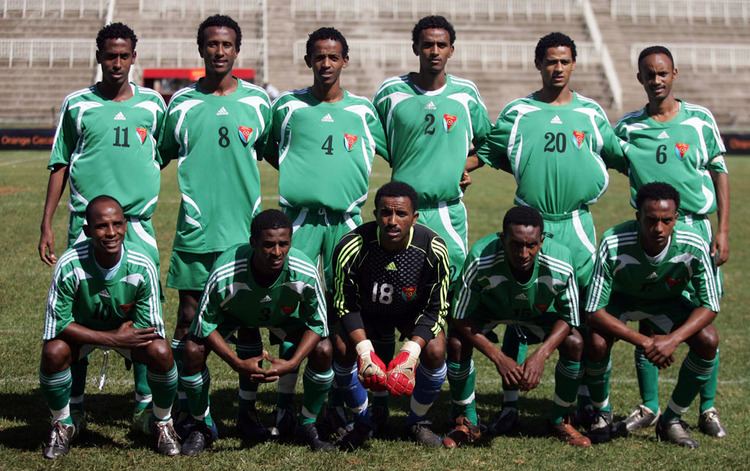
The Eritrean national football team witnessed an unprecedented event as seven of its players escaped during a training camp in the capital, Asmara. Among these players is a former Zamalek star, who played a significant role in shaping the team.
This incident comes at a time when the Eritrean team is struggling with difficult circumstances, facing challenges related to personal freedom and living conditions. The mass escape reflects a sense of discontent among athletes, who are seeking to improve their situations amid the challenging political and social conditions in the country.
Details of the Incident
According to local sources, the players who escaped had joined the Eritrean national team to participate in the World Cup qualifiers. However, they decided to leave the camp due to the psychological and social pressures they were experiencing. The escape occurred late at night, indicating prior planning by the players.
This incident marks a first in the history of Eritrean football, as the country has never witnessed a mass escape of players before. This situation could significantly impact the future of the national team, which is striving to achieve positive results in international competitions.
Background & Context
Eritrea, which gained independence from Ethiopia in 1993, has been suffering from ongoing political and economic crises. Sports, particularly football, serve as a reflection of the challenges faced by the Eritrean people. Many athletes choose to flee to other countries in search of better opportunities.
Historically, Eritrea has seen many athletes escape, but this time it comes amid more complex conditions, as pressure on players increases due to deteriorating political and economic situations. The mass escape may pave the way for more players to take similar steps.
Impact & Consequences
This escape could have a significant impact on the Eritrean national team, as the team loses several key players who formed the backbone of the squad. This could affect their performance in upcoming qualifiers and increase the challenges they face in the future.
Moreover, this event may raise concerns among sports officials in Eritrea, who may seek to implement measures to prevent such incidents from occurring in the future. It may require a reevaluation of how training camps are managed and the need to provide a more supportive environment for players.
Regional Significance
This incident serves as a wake-up call for many countries in the region, reflecting the challenges faced by athletes under repressive political systems. Such events may lead to increased awareness about athletes' rights and the necessity to improve their conditions.
Additionally, the mass escape of players may encourage others in the region to take similar actions, increasing pressure on political systems in their countries. Ultimately, these events may contribute to fostering dialogue about human rights and personal freedom in the Arab world.