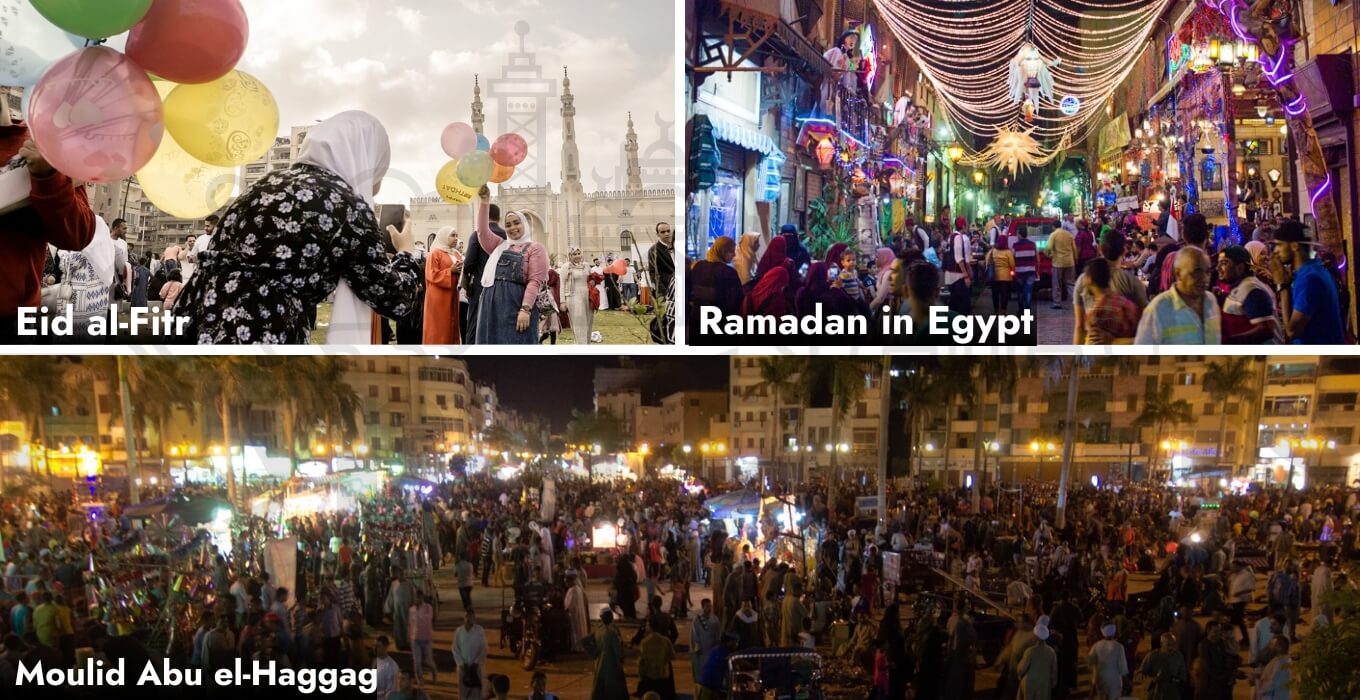
Egypt is preparing to celebrate Sham El-Nessim in 2026, scheduled for April 20. This holiday is one of the traditional occasions celebrated by Egyptians in spring, coming right after Easter.
The Sham El-Nessim holiday is characterized by its rich traditions, where families and friends gather in parks and beaches to celebrate the arrival of spring. This occasion serves as a chance for social interaction and enjoyment of nature.
Event Details
The agenda for the remaining official holidays in Egypt for 2026 includes several important occasions, such as the Eid al-Fitr holiday, Eid al-Adha, and the Revolution of June 30. These holidays are expected to provide opportunities for citizens to celebrate and gather with family and friends.
Sham El-Nessim is considered one of the oldest holidays in Egyptian history, with roots tracing back to Pharaonic civilization. This tradition has been passed down through generations, making it an integral part of Egyptian culture.
Background & Context
The celebrations of Sham El-Nessim date back over 4500 years, when the Pharaohs celebrated the arrival of spring, viewing it as a symbol of life and renewal. Over time, these celebrations have evolved to include new traditions, such as eating feseekh (fermented fish) and herring.
Sham El-Nessim is a national occasion that unites all segments of Egyptian society, with both Muslims and Christians participating, reflecting a spirit of unity and tolerance among different sects.
Impact & Consequences
The Sham El-Nessim holiday has a significant impact on the Egyptian economy, as markets and shops experience noticeable activity during this period. Tourists also flock to Egypt to enjoy the spring atmosphere, contributing to the tourism sector.
This holiday also strengthens social bonds among individuals, serving as an opportunity for communication and interaction between families and friends, thereby enhancing social and cultural values within the community.
Regional Significance
Sham El-Nessim serves as a model for traditional celebrations in the Arab world. Many Arab countries celebrate similar occasions, reflecting the cultural and festive diversity in the region.
These celebrations contribute to enhancing the Arab cultural identity and provide opportunities for cultural exchange and traditions among Arab countries, strengthening historical and social ties.
In conclusion, Sham El-Nessim remains an important event in the Egyptian calendar, blending ancient traditions with modern celebrations, making it a unique occasion that reflects the spirit of life and renewal.