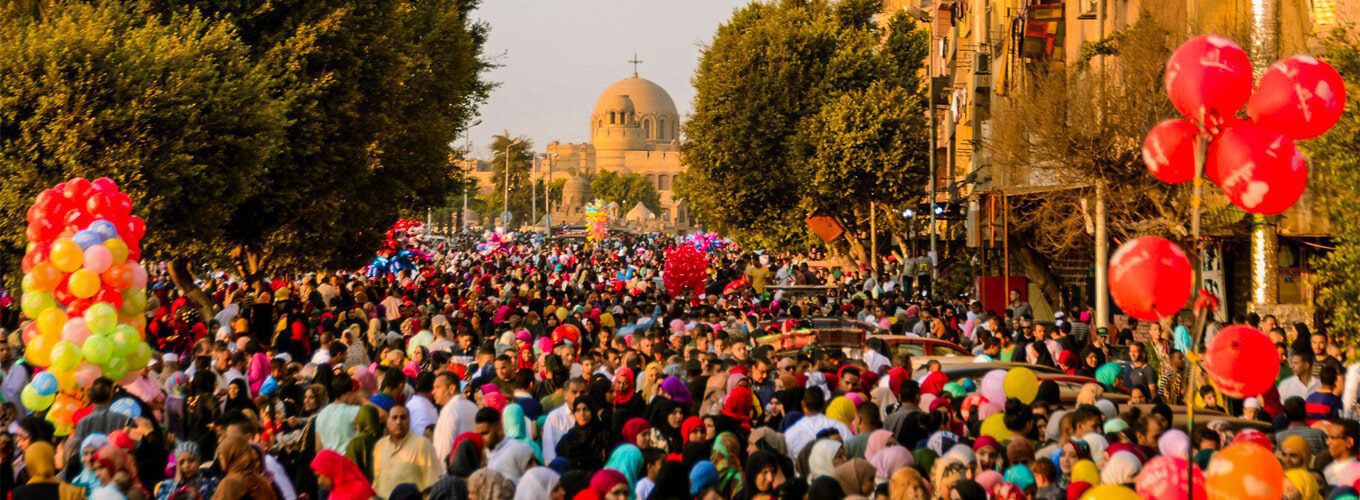
The Egyptian government has officially announced the date for the Sham El-Nessim holiday in 2026, which will fall on Monday, April 20. This holiday is one of the national occasions celebrated by Egyptians annually, where individuals and families gather to celebrate this occasion in parks and beaches.
The Sham El-Nessim holiday is part of the official holidays granted by the government to employees in both the public and private sectors, allowing them the opportunity to enjoy their time with family and friends. This holiday is an opportunity for many Egyptians to go out into nature and enjoy the spring atmosphere.
Details of the Event
Egypt celebrates Sham El-Nessim the day after Easter, and the origins of this holiday date back to Pharaonic times, where it was considered the beginning of spring. Traditional practices on this day include eating feseekh (fermented fish) and renga (herring), along with colorful vegetables and dyed eggs, which add a special character to the celebrations.
The celebrations also include organizing numerous cultural and artistic events in various Egyptian cities, where many musical concerts and artistic performances reflecting Egyptian heritage are held. Public parks and beaches see a significant influx of visitors, reflecting the importance of this occasion in the social life of Egyptians.
Background & Context
The Sham El-Nessim holiday is considered part of the Egyptian cultural heritage, with roots tracing back to ancient times. It has been celebrated throughout the ages, reflecting the continuity of Egyptian traditions. Over time, this holiday has become a symbol of joy and renewal, celebrated across the country.
The Egyptian government aims to promote domestic tourism by encouraging citizens to celebrate national occasions, contributing to the support of the local economy. Sham El-Nessim is an opportunity to strengthen social bonds among individuals, as people gather to celebrate together.
Impact & Consequences
The Sham El-Nessim holiday positively impacts the Egyptian economy, as it contributes to increased commercial and tourism activity. Many Egyptians head to coastal cities and resorts to enjoy their holiday, boosting economic activity in these areas.
This holiday also reflects the importance of preserving cultural heritage, as it serves as an opportunity to educate new generations about Egyptian customs and traditions. The cultural events associated with this occasion contribute to enhancing national identity and fostering belonging.
Regional Significance
The Sham El-Nessim holiday serves as a model in the Arab region, showcasing the ability of peoples to preserve their cultural heritage amid contemporary challenges. The celebrations of this occasion demonstrate how culture can bring people together and strengthen social ties.
Moreover, the celebration of Sham El-Nessim in Egypt presents an opportunity for many other Arab countries to benefit from the Egyptian experience in promoting domestic tourism and celebrating cultural heritage. Such occasions can contribute to enhancing cultural cooperation among Arab nations.
In conclusion, the Sham El-Nessim holiday in Egypt is a unique occasion that combines joy and tradition, strengthening social bonds and contributing to supporting the local economy. This holiday remains a symbol of Egyptian heritage that continues to shine across generations.