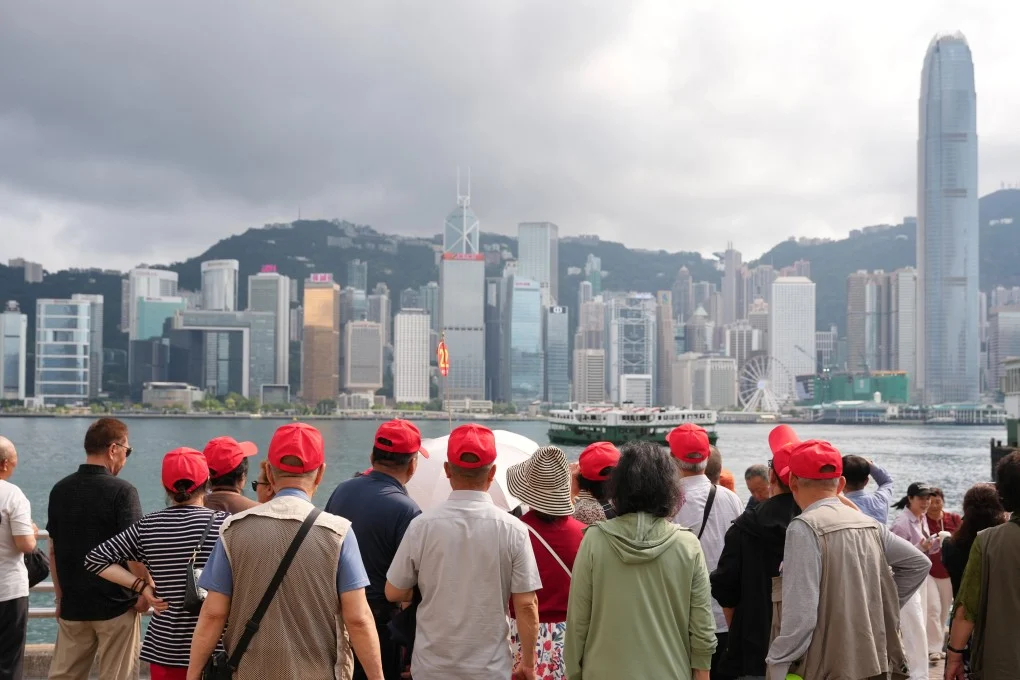
A joint study conducted by the Hong Kong Polytechnic University and Think China consultancy reveals that Hong Kong urgently needs to reassess its tourism strategy. Initial findings indicate that visitor numbers from mainland China have rebounded to approximately 88% of pre-pandemic levels seen in 2018.
However, high-income tourists are spending less, necessitating a focus on how to increase their expenditure rather than merely boosting visitor numbers. These new consumer behavior trends suggest that tourism in Hong Kong may require a comprehensive restructuring.
Event Details
Reports indicate that visitors from mainland China, who previously constituted a significant portion of Hong Kong's tourism, have returned in notable numbers. Nevertheless, they are adopting more cautious spending patterns, reflecting changes in consumer behavior post-pandemic.
Data shows that Chinese tourists now prefer to spend on unique experiences rather than traditional shopping, indicating that Hong Kong needs to develop new offerings to attract these visitors and stimulate their spending.
Background & Context
Historically, Hong Kong has been one of the leading tourist destinations in Asia, attracting millions of visitors annually. However, tourism was severely impacted by the COVID-19 pandemic, leading to a sharp decline in visitor numbers. As recovery begins, the city must adapt to changes in tourist behavior.
Tourism is a cornerstone of Hong Kong's economy, contributing significantly to GDP and job creation. Therefore, rethinking tourism strategies is crucial to ensure the sustainability of this sector.
Impact & Consequences
If current trends in tourist spending behavior continue, Hong Kong may face significant challenges in achieving its economic goals. It requires collaboration between the government and the private sector to develop new strategies that focus on enhancing unique tourist experiences.
Furthermore, improving service quality and renewing tourism offerings can help attract more visitors and increase their spending, thereby enhancing Hong Kong's competitiveness in the global tourism market.
Regional Significance
Hong Kong is an important destination for Arab travelers, especially from Gulf countries. Changes in tourist behavior may affect how Arab travelers plan their trips, prompting travel agencies to consider new offerings that cater to their needs.
Additionally, Hong Kong's experience in restructuring its tourism sector could serve as a valuable lesson for Arab countries seeking to enhance their tourism sectors, especially amid current global changes.