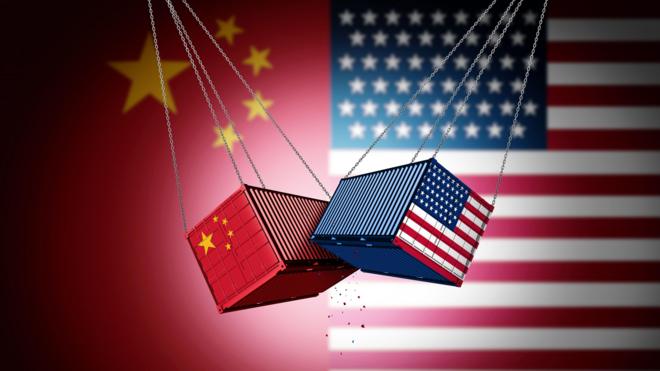
Events are rapidly unfolding in the Middle East, where the region is witnessing significant shifts in power dynamics following US involvement in conflicts. While attention is focused on the next strike, both Beijing and Moscow are exploiting the situation to their advantage, questioning how to turn US depletion into a long-term strategic opportunity.
The events in the Middle East intertwine with a changing international landscape, where the repercussions of conflict extend from the Arabian Gulf to the Taiwan Strait, and from the Ukrainian front to global energy markets. These dynamics open a new chapter of conflicts and challenges facing the international system.
Details of the Event
Amid multiple crises plaguing the region, it seems that the United States is struggling to manage the escalating tensions. The US involvement in regional conflicts, whether in Iraq, Syria, or even in supporting its allies in the Gulf, places it in a precarious position. As Beijing and Moscow monitor these developments, each seeks to exploit the situation to its advantage, reflecting a shift in global power dynamics.
Concerns are growing that this US depletion could undermine its influence in the region, allowing countries like China and Russia to enhance their presence. China, for example, is seeking to expand its influence in the Middle East through massive investments and economic initiatives, while Russia continues to strengthen its military and political relationships with countries in the region.
Background & Context
Historically, the United States has been the key player in the Middle East, striving to maintain stability in the region and support its allies. However, increasing tensions between major powers, such as the conflict in Ukraine and the impacts of the trade war with China, have led to a reassessment of US strategies. These dynamics reflect a shift in the international system, where competition among major powers is on the rise.
In recent years, the region has witnessed a surge in conflicts, complicating the political landscape. The conflicts in Syria, Yemen, and Iraq, along with tensions with Iran, have made it difficult for the United States to maintain its influence. As pressures mount, other countries in the region have begun to seek alternatives, creating a new competitive environment.
Impact & Consequences
The repercussions of this US involvement are manifold, potentially leading to radical changes in regional alliances. With the decline of US influence, countries like Iran and Turkey may find an opportunity to enhance their roles in the region, increasing tensions. Furthermore, the growing influence of Russia and China could lead to a reshaping of traditional alliances, altering the balance of power in the Middle East.
Moreover, these shifts could impact global energy markets as major powers seek to secure alternative energy sources. With increasing demand for energy, the region may become a new battleground for competition among major powers, further complicating the geopolitical landscape.
Regional Significance
For Arab countries, these shifts represent both challenges and opportunities. As US influence wanes, some Arab nations may find an opportunity to bolster their political and economic independence. However, at the same time, this change could lead to increased internal tensions and regional conflicts.
Arab nations need new strategies to navigate these changing dynamics, requiring a delicate balance between maintaining traditional relationships with the United States and exploring new opportunities with powers like China and Russia. Ultimately, how Arab countries respond to these challenges will determine the future of the region.