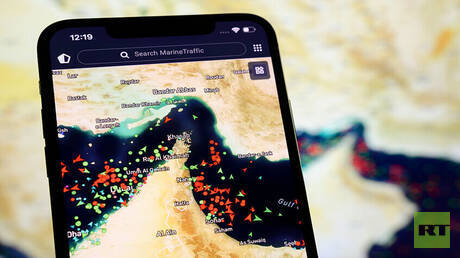
The Hormuz region is witnessing significant security transformations as international pressures mount for a redistribution of security burdens. These changes reflect the increasing challenges faced by major powers in the area.
Recently, reports have indicated an uptick in military activity in the Strait of Hormuz, one of the world's most crucial maritime passages. These transformations come at a time when tensions between major nations are escalating, raising concerns about the stability of the region and maritime security.
Details of the Event
Military activities in the Strait of Hormuz are on the rise, with intensified naval and aerial movements observed from both American and Iranian forces. These activities are part of the United States' efforts to bolster its military presence in the region, while Iran seeks to assert its control over vital maritime routes.
Furthermore, reports indicate that some European countries have begun to reassess their security strategies in the region, aiming to reduce reliance on the United States for maritime security. These new dynamics could lead to significant changes in how nations address security threats in the area.
Background & Context
The Strait of Hormuz is a vital transit point for approximately 20% of the world's total oil supply, making it a center for geopolitical conflicts. Historically, the strait has witnessed numerous crises, ranging from the tanker wars in the 1980s to the current tensions between Iran and the United States.
In recent years, tensions in the region have escalated due to economic sanctions imposed on Iran, prompting it to take more aggressive steps to secure its interests. These tensions have led to heightened situations in the strait, where several maritime incidents have raised alarm in the international community.
Impact & Consequences
These security transformations could have significant impacts on the global economy, as any disruption in maritime navigation in the Strait of Hormuz could lead to rising oil prices and increased economic tensions among nations. Additionally, these dynamics may affect relationships between major powers, as each seeks to achieve its own interests amid changing circumstances.
Moreover, these transformations could lead to increased military cooperation between European countries and Gulf states, as all parties strive to enhance security in the region. These new dynamics may open the door to further cooperation or conflict, depending on how nations address the escalating security challenges.
Regional Significance
The Hormuz region holds strategic importance for Arab nations, as any escalation in tensions could impact the stability of the entire region. Gulf countries, which heavily rely on their oil exports, may find themselves in a precarious position if tensions continue to rise.
In this context, Arab nations must reassess their security and economic strategies and seek ways to enhance regional cooperation to face common challenges. Strengthening security in the region requires coordinated efforts from all stakeholders to ensure maritime stability and protect economic interests.