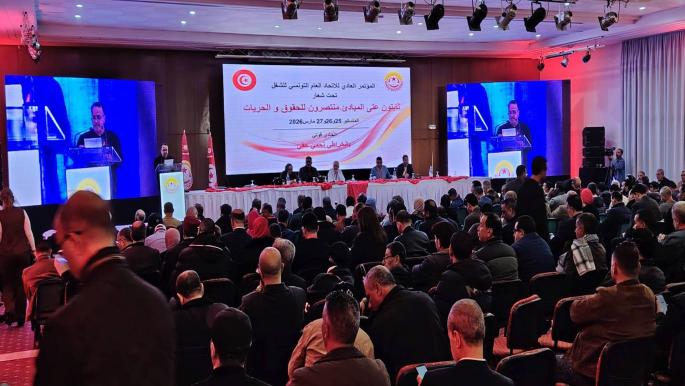
The relationship between the state and the Tunisian General Labour Union is shifting towards imbalance as the state seeks to redefine itself away from traditional negotiations with the union. This new dynamic reflects a transformation in governance and social interaction.
In recent years, Tunisia has witnessed profound political and economic transformations, impacting the nature of the relationship between the government and the General Labour Union, which is one of the most prominent labor unions in the country. Dialogue between the two parties is no longer based on equitable negotiations; instead, it has become characterized by state dominance, which seeks to impose its control over various sectors.
Details of the Current Situation
Historically, the General Labour Union represented the voice of workers in Tunisia, playing a pivotal role in social and political movements. However, the political changes that have occurred in the country since 2011, following the Tunisian revolution, have led to changes in the relationship between the union and the state. Currently, it seems that the government is moving towards redefining itself away from traditional intermediaries, raising questions about the future of social dialogue in Tunisia.
These changes include attempts by the government to reduce the union's role in economic and social decision-making, which could exacerbate the economic situation in the country. Additionally, this dynamic may negatively affect workers' rights and increase social tensions.
Background & Context
The General Labour Union was established in Tunisia in 1946, and since then, it has played a prominent role in political and economic life. The union has contributed to many social movements that led to radical changes in the country. However, recent years have seen a decline in the union's influence, especially with the rise of economic and political pressures.
Tunisia currently faces significant economic challenges, including rising unemployment rates and declining economic growth. These conditions make it difficult for the government and the union to reach effective solutions, complicating the relationship between the two parties.
Impact & Consequences
This new dynamic affects the social situation in Tunisia, potentially leading to worsening economic conditions and increased protests. Furthermore, the decline in the union's role may weaken workers' ability to defend their rights, increasing dissatisfaction among various segments of society.
Moreover, these changes could impact political stability in Tunisia, as they may lead to an escalation of protests and social demands. Under these circumstances, the government must handle these challenges cautiously and strive to rebuild trust with the union and the general public.
Regional Significance
Tunisia's experience serves as a model in the Arab region, where changes in the relationship between the state and the General Labour Union could influence other countries facing similar challenges. The decline in the role of labor unions in defending workers' rights may have implications for social and political stability in other nations.
Additionally, this dynamic may inspire new social movements in other countries, as citizens seek to demand their rights amid difficult economic circumstances. Ultimately, Tunisia remains a living example of the challenges faced by Arab countries in their pursuit of social and economic justice.