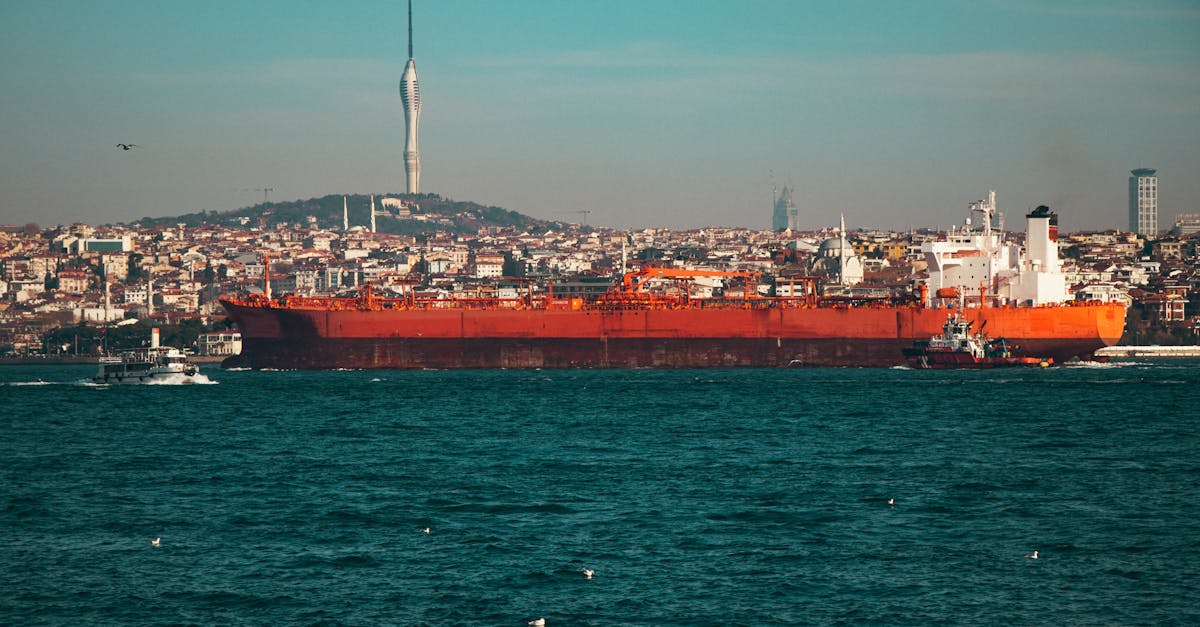
Shipping companies are seeking precise information about the reopening of the Strait of Hormuz after a ceasefire agreement was reached between the United States and Iran. This strait is one of the most important waterways in the world, as approximately 20% of total global oil exports pass through it, making any changes significantly impact the global market.
The agreement reached between Washington and Tehran aims to reduce military tensions in the region; however, uncertainty remains regarding how this will affect shipping movements in the strait. Shipping companies have expressed concerns over ongoing security threats, despite hopes for a stabilized situation.
Details of the Agreement
After years of escalation between the United States and Iran, a ceasefire agreement was announced, raising questions about the future of navigation in the Strait of Hormuz. Informed sources have confirmed that discussions are ongoing between both sides to determine the details of implementing the agreement, including ensuring the safety of commercial vessels.
In this context, some companies have confirmed that shipping operations may initially be affected due to the unclear security situation. Nevertheless, there is cautious optimism that the agreement could lead to improved conditions in the region, contributing to restoring trust among companies and investors.
Background & Context
The Strait of Hormuz has a long history of geopolitical tensions, having witnessed numerous military incidents between the United States and Iran. In recent years, tensions have escalated due to U.S. economic sanctions on Iran, leading to mutual threats between the two parties.
Iran considers the Strait of Hormuz part of its sovereignty, while the United States views securing freedom of navigation there as vital to its interests and those of its allies. This ongoing conflict has made the strait a hotspot in international politics, as major powers seek to balance their interests.
Impact & Consequences
If the agreement succeeds in stabilizing the region, it could lead to a decrease in global oil prices, which would positively impact the global economy. However, if tensions persist, this may result in rising prices and create uncertainty in the markets.
Additionally, the situation in the Strait of Hormuz could affect relations between Arab countries and Iran, as some nations seek to strengthen their ties with Tehran while others maintain their opposing stance. This divergence in positions may complicate the political landscape in the region.
Regional Significance
Arab countries neighboring the Strait of Hormuz, such as the United Arab Emirates and Oman, are among the most affected by developments in this strait. Any changes in shipping movements or increased tensions could impact the economies of these nations, which heavily rely on maritime trade.
Furthermore, stabilizing the situation in the Strait of Hormuz could contribute to enhancing regional cooperation between Arab states and Iran, potentially opening new avenues for dialogue and understanding in the region. Ultimately, there remains hope that the agreement will lead to improved security and economic conditions for all.