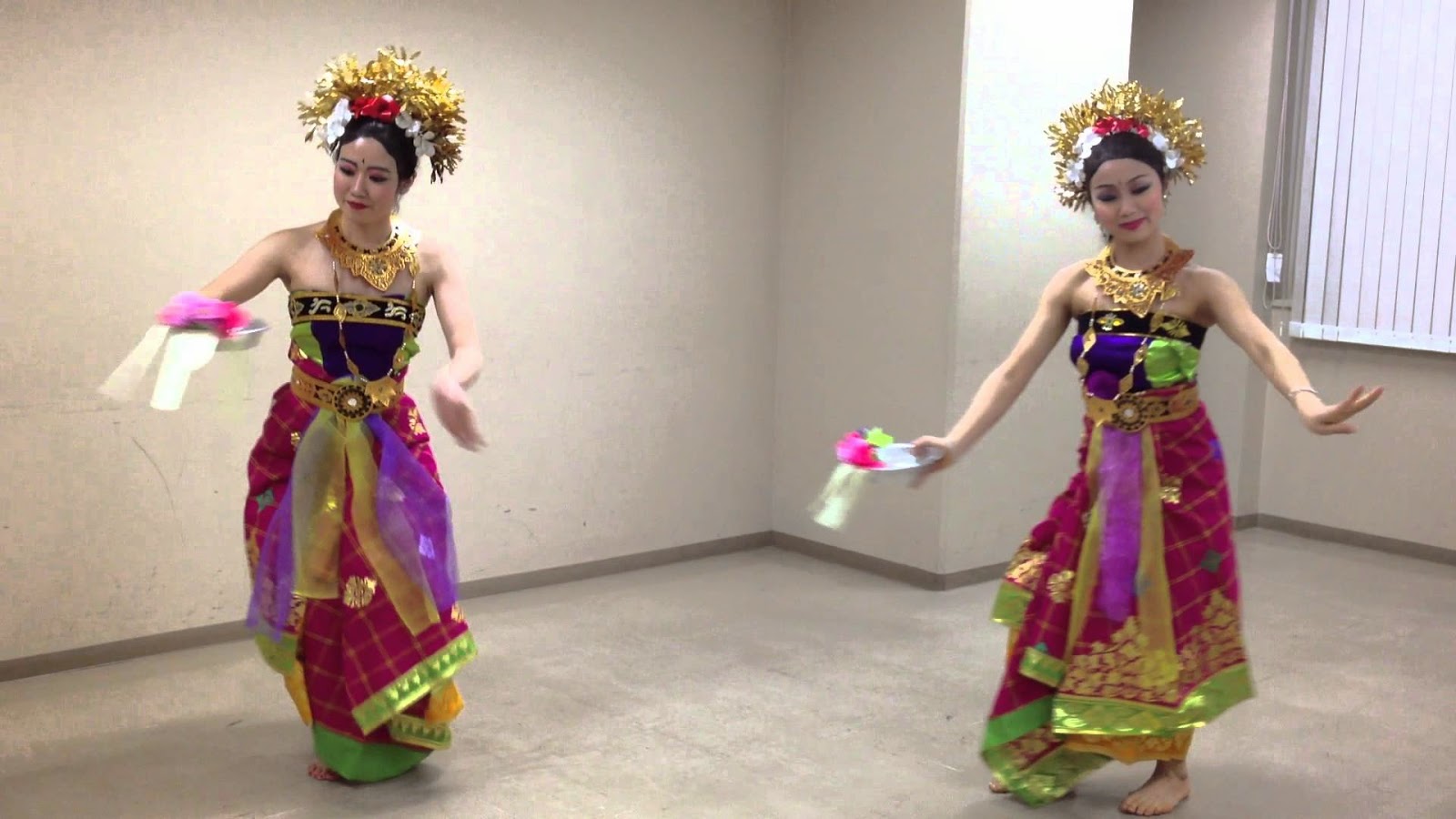
The Sicak Jimbaring dance, representing the heritage of Denpasar in Bali, has successfully obtained an intellectual property rights certificate (HAKI) through the Copyright Registry. The certificate was presented during an official ceremony held at Balai Budaya Ida Dewa Agung Istri Kanya in Klungkung province, attended by the Minister of Law Supartman Andi Aktas and the Deputy Mayor of Denpasar Aria Wibawa.
The Sicak Jimbaring dance is considered a cultural symbol of Denpasar and was developed by artists I Ketut Suwandita and I Dewa Ayu Wayan Ari Satiani. The event was graced by notable figures, including Megawati Sukarnoputri, former President of Indonesia, Minister of Law Supartman Andi Aktas, and Briein Arif Satria, along with several government officials.
Details of the Event
During the event, the certificate was handed over, reflecting the efforts made to protect Bali's cultural and artistic heritage. Megawati Sukarnoputri emphasized the importance of local governments in enhancing the capabilities of small and medium enterprises in Bali, stressing the need for these enterprises to adapt to digital developments.
A meeting was also organized with entrepreneurs in the small and medium enterprise sector to discuss the importance of intellectual property rights and business management, reflecting the government's direction towards enhancing innovation and protecting artistic works.
Background & Context
Intellectual property rights are essential tools for protecting creativity and innovation across various fields, including arts and culture. In Indonesia, the Sicak Jimbaring dance represents a part of the rich cultural heritage that the archipelago boasts, requiring legal protection to ensure its continuity.
Over the years, Indonesia has witnessed increasing efforts to protect intellectual property rights, especially in light of challenges posed by globalization and digital advancements. This certificate is a significant step towards safeguarding cultural and artistic heritage and supporting local artists.
Impact & Consequences
This step carries positive implications for enhancing the rights of artists and creators, as it provides them with the necessary legal protection to safeguard their works from exploitation. It also contributes to increasing the economic value of artistic works, allowing artists to achieve sustainable income from their creations.
Moreover, protecting intellectual property rights enhances the quality of artistic works, encouraging artists to innovate and present new works that reflect their culture and history. Consequently, these efforts can contribute to boosting cultural tourism in Bali, benefiting the local economy.
Regional Significance
Indonesia's experience in protecting intellectual property rights serves as a model that Arab countries can benefit from, as many of these nations face similar challenges in protecting their cultural and artistic heritage. Arab countries can enhance their efforts in this area by adopting effective policies to protect the rights of artists and creators.
Furthermore, strengthening intellectual property rights can contribute to the development of cultural and creative industries in the region, enhancing the status of Arab culture on the global stage.