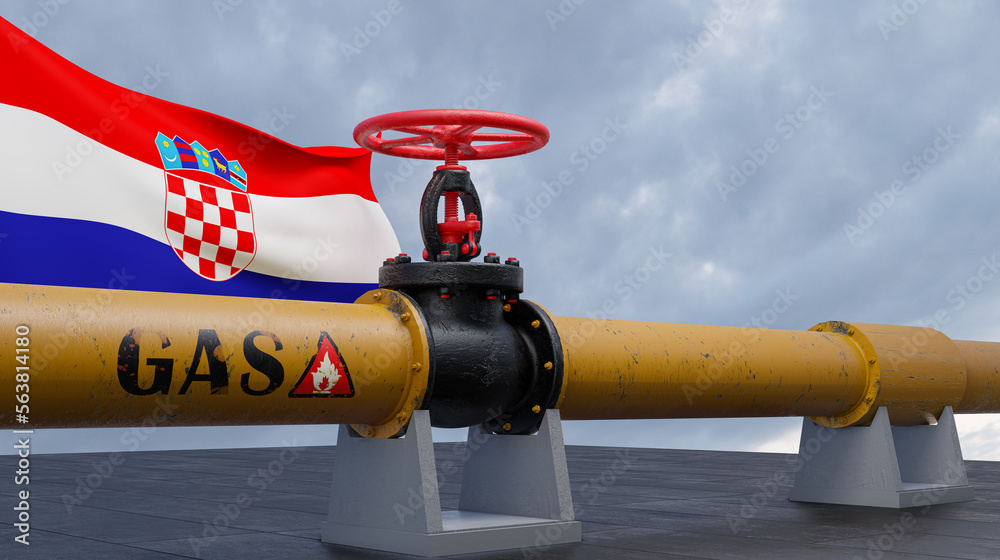
In a strategic move aimed at enhancing energy security, Croatia and Bosnia have signed an agreement to create a new gas pipeline. This agreement comes amid ongoing tensions between Russia and European countries, as these nations strive to reduce their dependence on Russian supplies.
The agreement was signed in the Croatian capital, Zagreb, in the presence of government officials from both countries. This project is expected to improve energy infrastructure in the region and strengthen cooperation between the two nations in the energy sector.
Details of the Agreement
The agreement includes the construction of a gas pipeline that will extend through Bosnian territory, enabling Croatia to import gas from alternative sources. This project is part of a broader strategy aimed at enhancing energy security in the Balkans. It also reflects the European trend towards reducing reliance on Russian energy, especially following recent events in Ukraine.
This pipeline is considered part of a larger network of energy projects that aim to connect Balkan countries with European energy grids. Work on the project is expected to begin in the coming months, with a projected completion date in the coming years.
Background & Context
Historically, Balkan countries have heavily depended on Russian gas, making them vulnerable to political and economic fluctuations. Following the escalation of tensions between Russia and Western nations, these countries have begun seeking alternatives to secure their energy supplies. Repeated crises have led to enhanced regional cooperation in the energy sector.
Croatia is one of the countries actively seeking to diversify its energy sources, having established facilities for importing liquefied natural gas. Meanwhile, Bosnia is working to strengthen its energy infrastructure to meet its growing needs.
Impact & Consequences
This project is expected to have a significant impact on energy markets in the region. The establishment of this pipeline will increase competition in the gas market, potentially leading to lower prices and improved services. Additionally, this project may encourage more foreign investments in the energy sector in the Balkans.
Furthermore, this cooperation between Croatia and Bosnia could inspire other countries in the region to take similar steps to enhance energy security. It also reflects the European trend towards fostering regional cooperation in the face of global challenges.
Regional Significance
Given the current situation in the Middle East, this development may have indirect effects on Arab countries. As reliance on alternative energy sources increases, some Arab nations may seek to bolster their investments in renewable energy projects.
Moreover, cooperation among European countries in the energy sector may open new avenues for collaboration with Arab nations in areas such as renewable energy and clean technology.
In conclusion, the signing of this agreement represents an important step towards enhancing energy security in the Balkans and reflects the European trend of reducing reliance on Russian energy. This project is expected to have positive impacts on local and regional markets and may encourage further cooperation among countries in the energy sector.