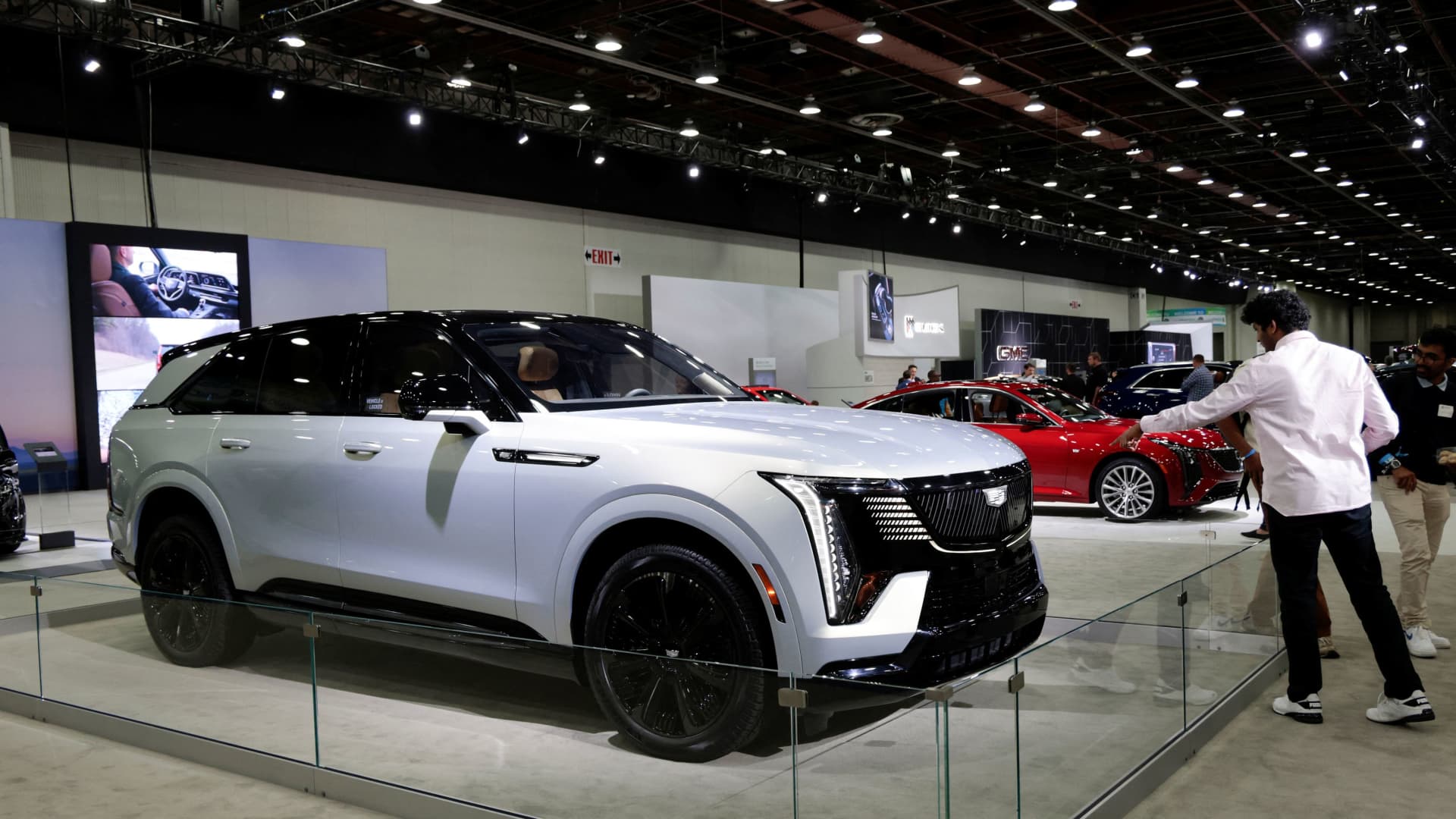
General Motors, a leading automotive manufacturer, reported that the ongoing war in Iran negatively impacts production costs, but simultaneously confirmed that demand for luxury cars remains robust. During a call with investors, CEO Mary Barra stated that the company is keeping an eye on any changes in consumer spending, although no significant impact on the mix of vehicles offered has been observed so far.
GM indicated that the average price of a vehicle during the first quarter of the year reached $52,000, a level similar to last year. Meanwhile, the average price of a new vehicle in the U.S. automotive industry for March was $49,275, according to data from Cox Automotive.
Details on Production Costs
During the earnings call, Barra explained that the primary variable the company is monitoring is the duration of the conflict and its effect on logistics and supply chain costs. Despite rising energy and transportation costs due to the war, the company has not yet seen any notable changes in the vehicle preferences of customers.
Barra's comments come at a time when the consumer confidence index has sharply declined in April, with a study conducted by the University of Michigan revealing growing concerns about rising energy prices and the impact of the war in Iran. GM also announced a 9.7% drop in sales during the first quarter compared to sales in March of the previous year, which were unusually high.
Background & Context
Historically, the automotive industry has experienced significant fluctuations due to geopolitical crises, as wars and conflicts affect supply chains and production costs. The war in Iran, which began in recent years, has led to increased oil prices, which in turn has impacted transportation and production costs across many industries, including automotive.
As a result, manufacturers are forced to adapt to these changing conditions, often leading to increased prices for consumers. The ongoing situation in Iran continues to be a focal point for many companies within the industry as they navigate these challenges.
Impact & Consequences
General Motors anticipates that the rise in raw material and transportation costs resulting from the war will affect its profits. The company estimates that increases in goods and transportation costs could reach $2 billion over the year. However, it appears that the company is prepared to face these challenges by enhancing operational efficiency and reducing expenses in other areas.
Barra confirmed that the company is working to alleviate the pressures from rising costs by improving warranties and cost efficiencies, and may also consider delaying some hiring. Additionally, GM is shifting vehicle shipments to the U.S. market instead of the Middle East due to the conflict, which could boost its sales in the future.
Regional Significance
The implications of the war in Iran extend beyond just the automotive sector, affecting various industries and the overall economy. As companies adapt to these changes, the interconnectedness of global markets becomes increasingly evident.
In conclusion, the automotive industry must remain vigilant in monitoring geopolitical developments, as these factors can significantly influence market dynamics and consumer behavior.