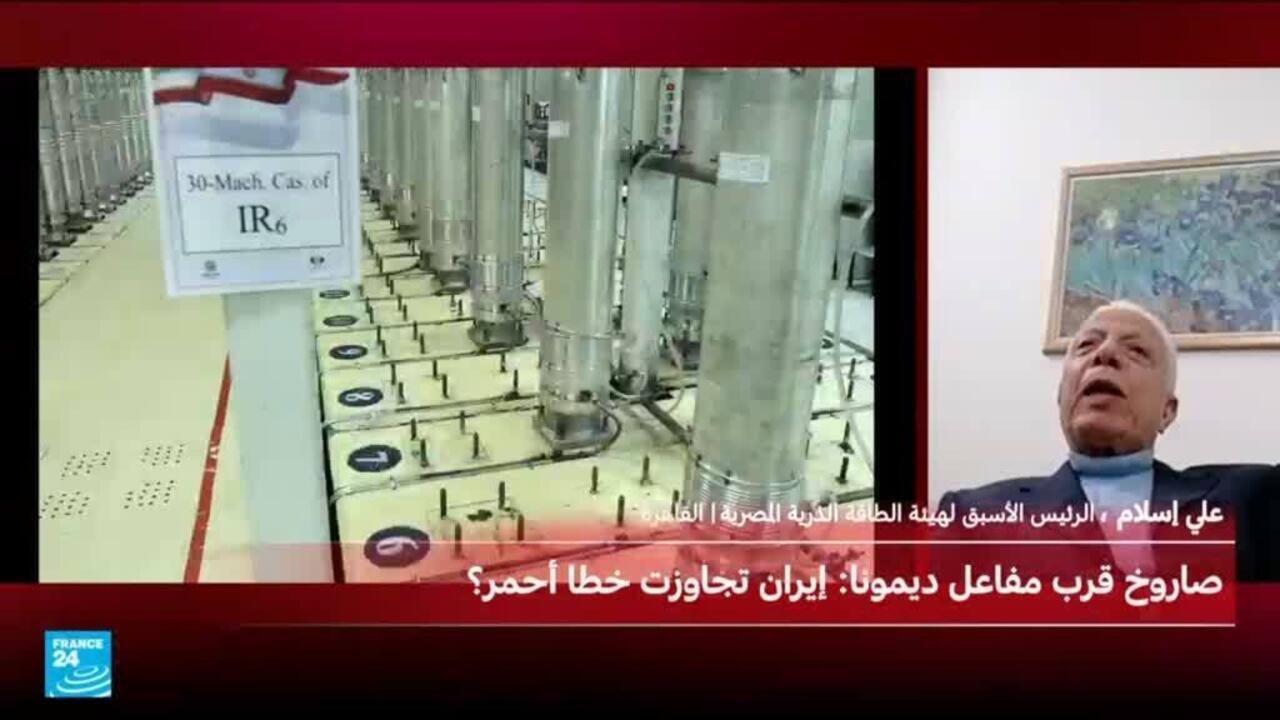
The Dimona reactor holds a prominent place in discussions related to Israeli nuclear capabilities, serving as a launching point for the development of weapons of mass destruction. Established in 1963 and located in the Negev Desert, it symbolizes Israeli military strength and is a backbone of its defensive strategies.
The reactor is designed to accommodate the process of uranium enrichment, enabling Israel to develop its nuclear arsenal. Despite Israel's policy of ambiguity, accurate reports suggest that the Dimona reactor may serve as the primary facility for nuclear weapons production. It is believed that Israel possesses between 80 and 400 nuclear warheads, and estimates regarding the evolution of its nuclear program range from viewing it as a defensive program to one of regional deterrence.
The context behind the establishment of the Dimona reactor stems from Israeli fears of external threats, especially following the 1948 and 1967 wars. These wars reinforced the belief in the necessity of having a deterrent force, and as researchers point out, the idea is that nuclear power gives Israel a strategic advantage over its neighbors, many of whom have nuclear programs or aspirations.
Overall, the Dimona reactor is a key component of Israeli military doctrine, constituting a deterrent against any direct threats from neighboring countries. Successive Israeli governments have sought to enhance the reactor's capabilities and develop its systems to increase its effectiveness. This stems from the Israeli government's acknowledgment that the Middle East is unstable, necessitating a guaranteed capacity for confrontation.
Despite the ambiguity surrounding the nuclear program, Israel's history in oil development and uranium exploration serves today as a pressing influence in the international political arena. The pressures facing Israel from the international community regarding nuclear weapons are part of the equation, as many countries, including Arab nations and Iran, demand transparency and inspections of Israeli nuclear facilities.
On the other hand, Arab governments are seeking to understand the role of the Israeli nuclear program in shaping regional security and stability. Renewed interest in the reactor may raise concerns and reopen discussions about the Palestinian issue and avenues for peace in the region. It also indicates the ongoing conflicts between factions and armed groups in the area.
Ultimately, the Dimona reactor remains a distinctive marker that requires further examination in the context of Middle Eastern geopolitics. Israel's nuclear superiority raises numerous questions about the future of regional security and the balance of power in the Middle East, as upcoming developments may play a role in changing regional dynamics.
Thus, the Dimona reactor represents not just a nuclear facility but a symbol of a future aimed at military power and an influential factor in Israeli relations with its neighbors. In a world increasingly searching for nuclear weapons, we must watch how Israeli capabilities will affect the regional and global situation.