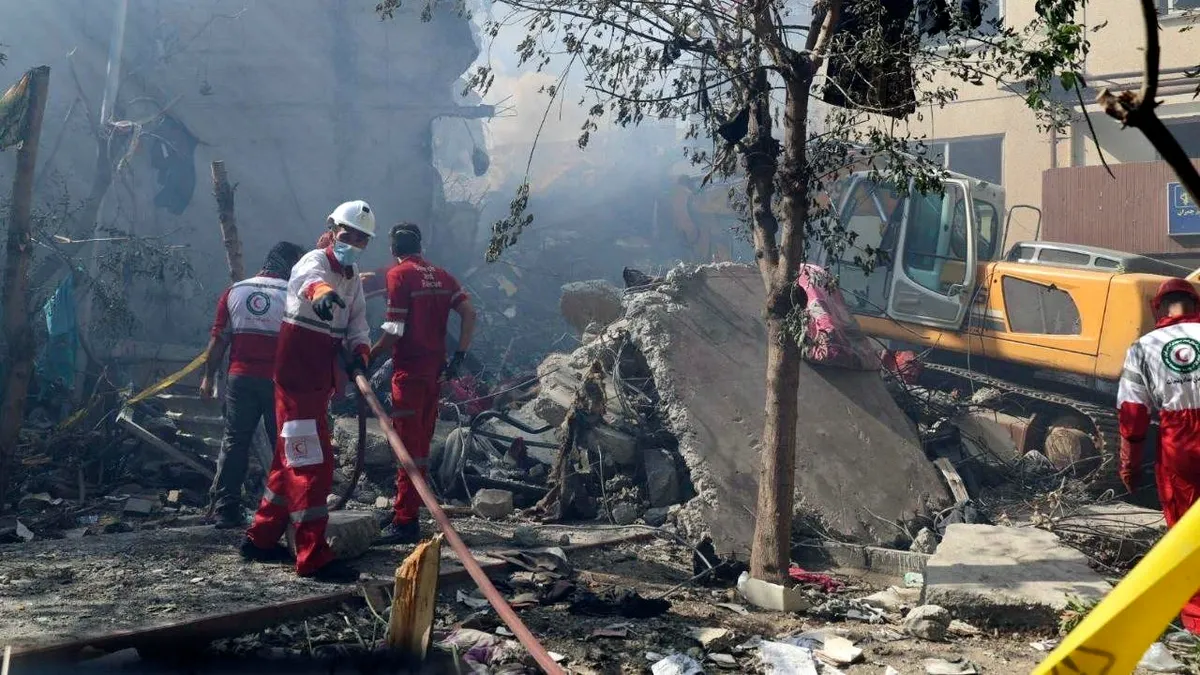
Emirates Global Aluminium, one of the largest aluminium companies in the world, has announced that its facilities have suffered significant damage as a result of the recent Iranian strikes. This military escalation comes at a time when the region is experiencing increasing tensions, raising fears about market stability and local economies.
The Iranian strikes, which targeted strategic sites, have led to the destruction of part of Emirates Global Aluminium's infrastructure, threatening the continuity of its production operations. The company has confirmed that it is assessing the damage and determining the necessary steps to restart the affected facilities.
Details of the Incident
As Iran continues to bolster its military capabilities, these strikes are part of a broader strategy aimed at influencing foreign companies operating in the region. Company officials have indicated that the damage to its plants could impact production in the coming months, potentially leading to supply shortages in global markets.
Emirates Global Aluminium is a leading player in the aluminium industry, significantly contributing to the UAE's economy. With rising tensions, the impact of these strikes could extend to other sectors, raising concerns among investors.
Background & Context
Historically, the region has witnessed numerous armed conflicts that have affected foreign investments. Since 2011, tensions between Iran and Arab states have escalated, leading to a series of conflicts that have impacted economic stability. In recent years, Iran has taken steps to expand its influence in the region, increasing concerns about security and stability.
The UAE is one of the countries striving to attract foreign investments and has shown considerable resilience in facing challenges. However, military and political pressures could affect the country's reputation as a safe investment hub.
Impact & Consequences
The Iranian strikes could have significant repercussions on the UAE's economy, as any production shortfall may drive up prices in global markets. Additionally, investors may hesitate to inject more capital into the region, potentially adversely affecting economic growth.
Moreover, these events could lead to heightened tensions between the UAE and Iran, which may reflect on the relationships between other countries in the region. If military pressures continue, this could lead to further escalation, threatening regional stability.
Regional Significance
These events serve as a wake-up call for other Arab countries that rely on foreign investments. With rising tensions, these nations may find themselves in a difficult position, necessitating urgent actions to ensure the stability of their economies.
Furthermore, these strikes could impact trade relations between Arab countries and Iran, potentially leading to reduced trade exchanges and increased economic barriers. Under these circumstances, Arab nations must enhance cooperation among themselves to ensure regional stability.
The damage inflicted on Emirates Global Aluminium due to the Iranian strikes poses a significant challenge to the UAE's economy, raising concerns about market stability. Amid escalating tensions, Arab nations must take proactive steps to ensure their economic stability.