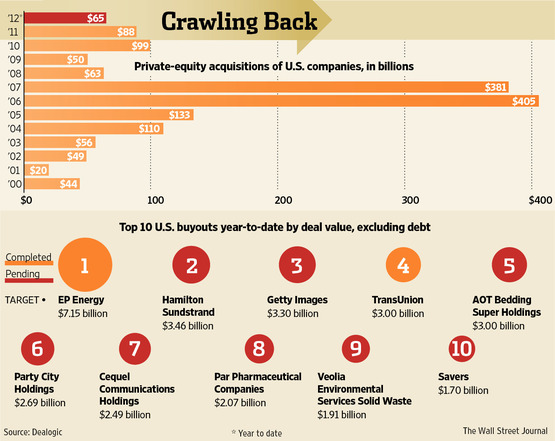
Private investment groups have experienced a notable decline in acquisition deals, with the total value reaching $172 billion during the three months leading up to March. This figure represents a significant drop of 36% compared to the previous quarter, reflecting the influence of global economic and political conditions on the investment market.
These figures emerge at a time when the world is facing multiple challenges, including increasing concerns about artificial intelligence and its impact on the job market and the economy as a whole. Additionally, military conflicts in various regions, such as the Middle East and Europe, contribute to heightened uncertainty among investors.
Details of the Event
Reports indicate that the decline in acquisition deals reflects investors' anxiety over potential risks arising from rapid technological changes. Artificial intelligence has become a hot topic in economic circles, prompting many companies to reassess their investment strategies.
Furthermore, geopolitical conflicts, such as the war in Ukraine and tensions in the Middle East, cast a shadow over investment decisions. These combined factors lead to a decrease in market confidence, which directly impacts the volume of executed deals.
Background & Context
Over the past years, the private acquisition market has seen significant growth, with companies competing to acquire emerging and innovative entities. However, current conditions suggest a shift in this trend. In previous years, investments in technology and innovation attracted substantial funding, but now investors appear to be adopting a more cautious approach.
Historically, economic and political crises have led to declines in investments, and this is what is happening now. With rising fears about artificial intelligence and its impact on jobs, investors are becoming more cautious in their decision-making.
Impact & Consequences
This decline in acquisition deals could have widespread effects on the global economy. With reduced investments, startups that rely on external funding may be adversely affected, potentially leading to a slowdown in innovation and economic growth.
Moreover, declining market confidence may result in increased volatility in stock prices, affecting both individual investors and large corporations alike. This situation could contribute to creating an unstable economic environment, increasing the challenges faced by governments and businesses.
Regional Significance
In the Arab region, this decline may have noticeable effects on foreign direct investments. With growing global concerns, investors may hesitate to inject funds into Arab markets, impacting economic growth in several countries.
Additionally, regional conflicts may exacerbate uncertainty, making investors more cautious. Under these circumstances, Arab countries may need to enhance their investment environments to attract investments and stimulate growth.
In conclusion, the decline in private acquisition deals appears to be a direct result of complex global challenges. Investors and companies must rethink their strategies to address these challenges and achieve success in a changing economic landscape.