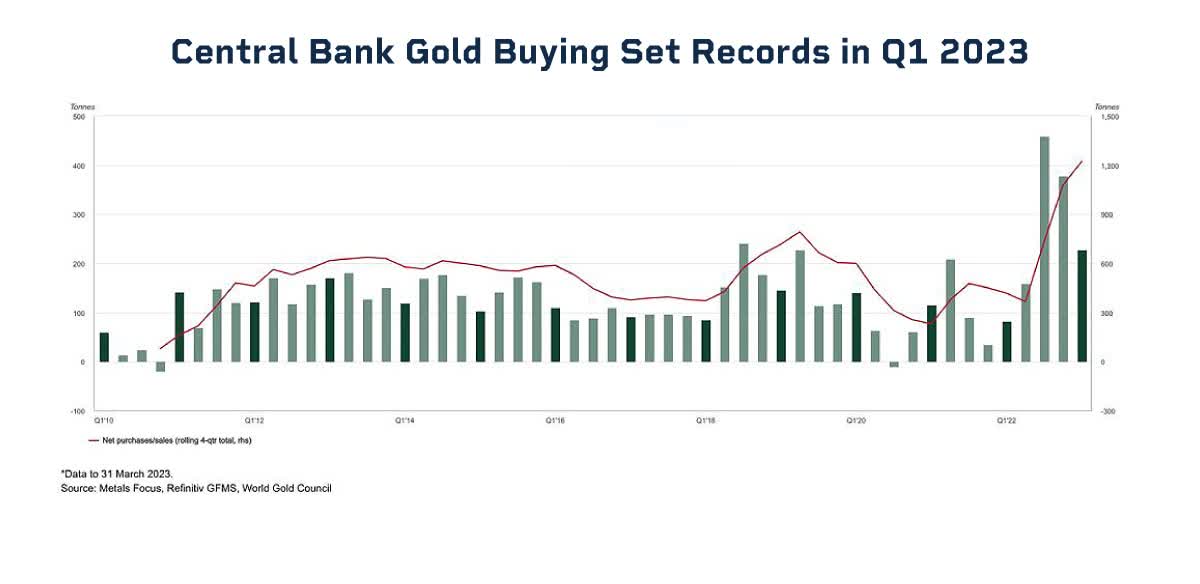
Gold prices experienced a notable decline last month, marking the largest monthly drop in nearly 13 years. Amid this downturn, some central banks have altered their strategies from purchasing gold to selling it, raising numerous questions about the future of this precious metal as an investment.
This shift in behavior from central banks may seem alarming to many investors, but it actually reflects market dynamics and indicates that gold still retains its value as a safe haven during times of economic instability.
Details of the Event
Gold prices are an important indicator of the health of the global economy, as investors typically turn to gold as a means to protect their wealth from inflation and market fluctuations. However, the recent drop in prices may be attributed to several factors, including rising interest rates and changes in global demand for the yellow metal.
While some central banks are selling quantities of gold, this does not necessarily mean that gold has lost its value. On the contrary, this trend may indicate that these banks anticipate improved economic conditions in the future, prompting them to shift towards other investments.
Background & Context
Historically, gold has been one of the oldest forms of investment, used as currency and a store of value throughout the ages. In recent years, gold prices have experienced significant fluctuations due to economic and political crises worldwide. For instance, during the COVID-19 pandemic, gold prices surged as investors flocked to the precious metal as a safe haven.
However, changes in monetary policies from central banks, such as raising interest rates, significantly impact gold prices. When interest rates rise, the returns on other assets like bonds become more attractive, which reduces demand for gold.
Impact & Consequences
The impact of this decline in gold prices could be widespread, affecting both individual investors and companies alike. For investors, it may be tempting to sell during these times, but experts warn against making hasty decisions based on short-term fluctuations.
Moreover, this change in central bank behavior may lead to a reevaluation of investment strategies in gold. While some investors may see this as the right time to sell, others may consider it an opportune moment to buy, especially if forecasts indicate rising prices in the future.
Regional Significance
In the Arab region, gold is an essential part of the investment culture, with many individuals preferring to purchase gold as a means of protecting their wealth. Changes in gold prices directly affect local markets, potentially leading to fluctuations in jewelry and gold item prices.
Furthermore, many Arab countries hold significant gold reserves, making them directly affected by global price changes. Therefore, investors in the region should exercise caution and monitor developments in the global market before making any investment decisions.
In conclusion, gold as an investment remains a complex subject that requires a deep understanding of the market and the global economy. While the current decline in prices may seem concerning, it could present opportunities for investors who know how to navigate market fluctuations.