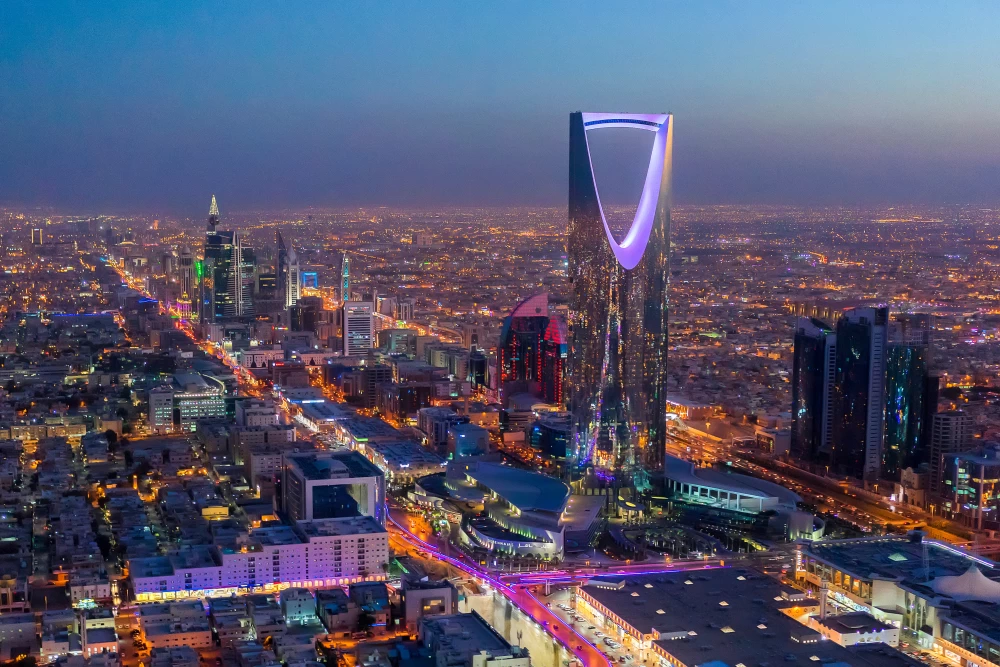
A report from the Vision 2025 highlights ongoing efforts to enhance the competitiveness of Saudi cities in global quality of life indicators, aligning with the targets of Saudi Arabia's Vision 2030. The report aims to include three Saudi cities in the list of the top 100 livable cities worldwide by 2030.
According to the report, the baseline for the index was zero cities, while the actual value remained at zero in 2025. The annual target is for one Saudi city to enter the top 100 list, with the final goal by 2030 being three Saudi cities.
Event Details
This index is measured through the "Global Livability Ranking" report issued by the Economic Intelligence Unit (EIU), which relies on five main dimensions: stability, culture and environment, education, health, and infrastructure. Although no Saudi city has yet made it to the top 100 list, the annual report has shown improvements in the rankings of several Saudi cities during 2024 and 2025.
Riyadh ranked 124th globally, improving by one position, Jeddah ranked 127th with a two-position improvement, while Khobar ranked 135th, improving by nine positions. This improvement reflects the impact of continuous investments in infrastructure, transportation, international connectivity, housing, and facilities, alongside the development of the education and health sectors, which are directly linked to measuring livability and quality of life in cities.
Background & Context
The report indicates that the nature of these investments requires more time to fully manifest their developmental impact on quality of life and citizen empowerment within cities. This is particularly important as the index relies on detailed data and precise sub-dimensions that require governance and data availability. The Vision 2025 report also noted that some gaps in data accessibility across various sub-dimensions could affect the index results, making data accuracy and updates a key element in improving Saudi Arabia's global performance readings.
In this context, a detailed review of the index's performance is underway, coordinated between the Quality of Life Program, the Ministry of Tourism, relevant authorities, and city municipalities, to devise a plan aimed at improving the classification of Saudi cities and enhancing their presence in global indicators related to quality of life.
Impact & Consequences
This trajectory represents one aspect of the urban transformation led by Saudi Arabia's Vision 2030, through the development of cities and the expansion of housing, transportation, entertainment, and services options. This transformation aims to turn quality of life into a competitive standard by which the attractiveness of Saudi cities is measured both locally and internationally.
Improving the quality of life in Saudi cities is a fundamental part of the national strategy, contributing to attracting foreign investments and boosting tourism, which positively impacts the national economy.
Regional Significance
Enhancing the quality of life in Saudi cities could serve as a model for other Arab countries seeking to develop their cities and improve the living standards of their residents. Furthermore, this improvement may strengthen regional cooperation in urban development.
In conclusion, this report represents an important step towards achieving the ambitious goals of Saudi Arabia's Vision 2030 and reflects the government's commitment to enhancing the quality of life for its citizens and residents.