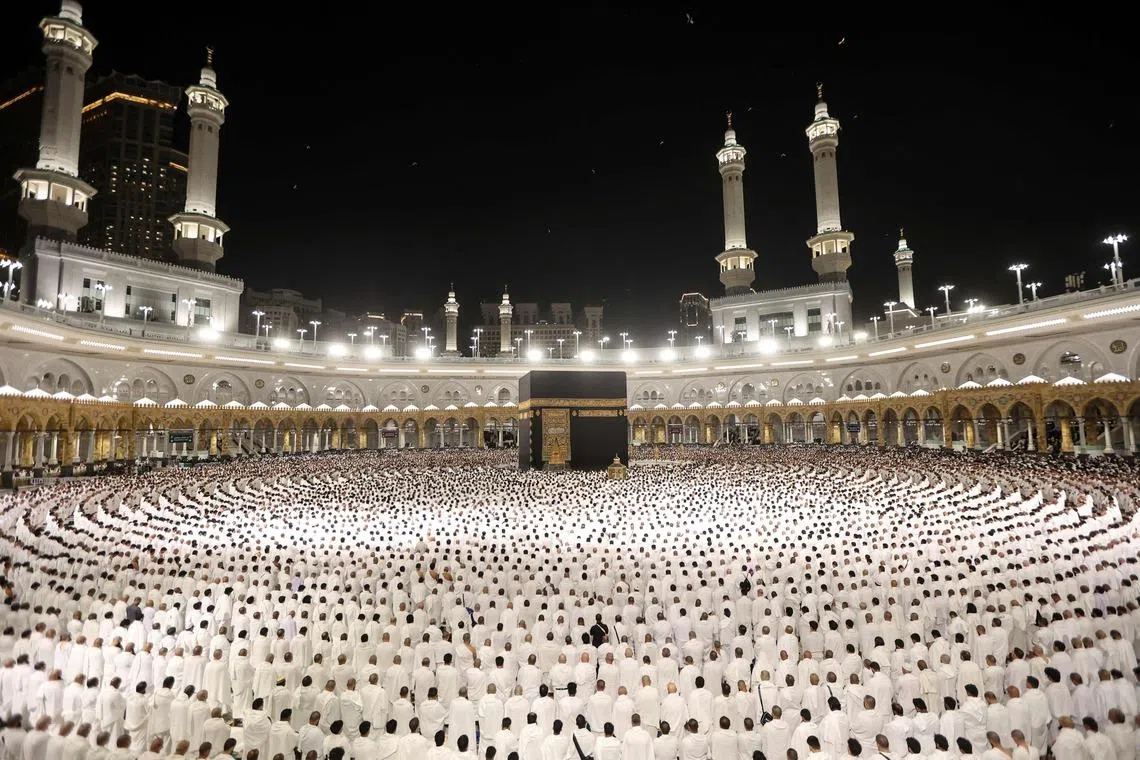
Singapore aims to ensure the safety of pilgrims during the 2026 Hajj season by implementing comprehensive emergency plans. The Islamic Religious Council of Singapore (MUIS) is working in collaboration with the Muslim Travel Agents Association in Singapore, along with travel agents specialized in organizing Hajj trips, to provide a safe and smooth experience for pilgrims.
These plans include a range of preventive measures and security protocols designed to address any disruptions that may occur during the Hajj season. The council has emphasized the importance of coordination among various stakeholders to ensure the effective implementation of these plans.
Event Details
This initiative comes at a time when the Hajj season faces multiple challenges, including a potential increase in the number of pilgrims, climate changes, and global health crises. Singapore seeks to enhance its capabilities to tackle these challenges by developing integrated strategies.
The plans also involve providing necessary information to pilgrims regarding health and security measures, as well as enhancing communication between pilgrims and relevant authorities before and during the Hajj period. This collaboration among different entities is a significant step toward ensuring a successful Hajj season.
Background & Context
Historically, Hajj is one of the most important religious rituals in Islam, with millions of Muslims from around the world traveling to Mecca to perform this obligation. With the increasing number of pilgrims in recent years, the need for better organization and a safer environment has become more urgent.
In past years, some countries have faced challenges in organizing Hajj trips, leading to new measures being implemented to ensure the safety of pilgrims. Health crises, such as the COVID-19 pandemic, have altered the way Hajj is organized, prompting countries to consider more effective emergency plans.
Impact & Consequences
These plans represent a positive step toward enhancing the safety of pilgrims and providing them with a secure environment. The collaboration among various stakeholders in Singapore demonstrates a clear commitment to meeting the needs of pilgrims and ensuring their spiritual experience is uninterrupted.
Additionally, these plans may influence how Hajj is organized in other countries, serving as a model for enhancing safety and security during the Hajj season. These measures are expected to improve the experience of pilgrims and bolster their confidence in the organizing authorities.
Regional Significance
Singapore is one of the countries striving to strengthen ties with the Islamic world, and this collaboration in organizing Hajj reflects a strong desire to support pilgrims from around the globe. The success of these plans could enhance Singapore's reputation as a reliable destination for organizing Hajj trips.
In conclusion, this effort reflects Singapore's commitment to providing a safe and accessible Hajj experience, thereby strengthening the bonds between Islamic nations and highlighting the importance of international cooperation in the realm of Hajj.